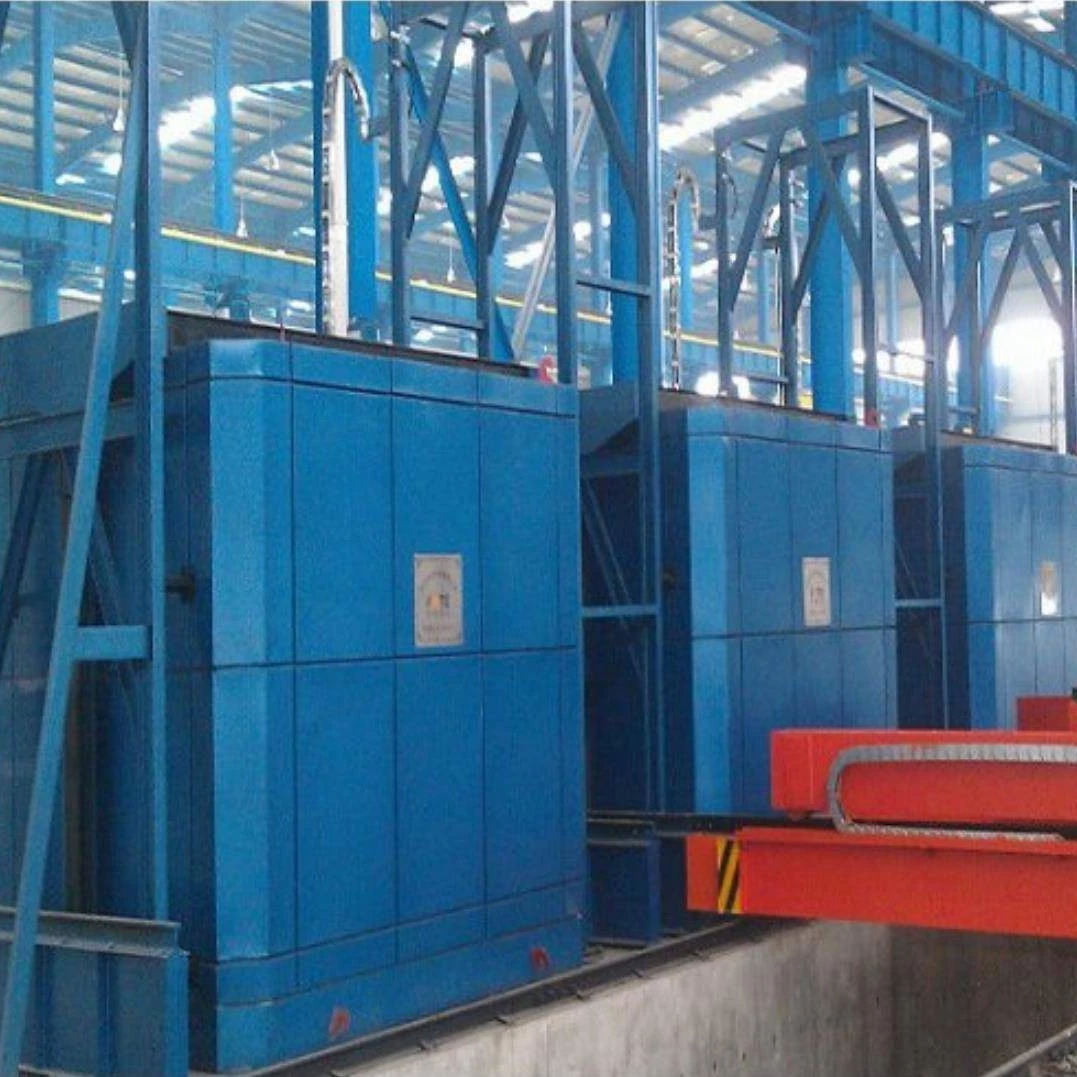
Design principles of vacuum furnaces
May 19, 2026
The design principle of a vacuum furnace combines high-temperature heating with a vacuum environment, aiming to achieve uniform heating of workpieces in an oxygen-free or low-oxygen atmosphere, preventing oxidation, decarburization, and contamination, while ensuring process precision and equipment safety.
Vacuum Environment: The furnace body and sealing structure must ensure efficient vacuuming while maintaining stable sealing performance. By rationally designing the furnace body shape, flange interfaces, sealing rings, and vacuum pump system, the required vacuum level can be achieved, reducing gas leakage and residue, and ensuring the surface of the heated workpiece is clean and free of oxidation.
Heating System: The arrangement of heating elements (such as silicon carbide rods, silicon molybdenum rods, or resistance wires) must ensure uniform temperature distribution within the furnace chamber. By optimizing element spacing, wiring methods, and furnace thermal field design, heat is uniformly transferred to the workpiece primarily through radiation, avoiding localized overheating or excessive temperature gradients that could affect material properties.
Temperature Control and Safety: The vacuum furnace is equipped with a precision temperature control system and sensors to achieve closed-loop temperature regulation. Temperature controllers, thermocouples, and relays ensure precise temperature control within the furnace, while over-temperature protection, pressure monitoring, and safety alarm devices ensure safe operation under extreme conditions.