

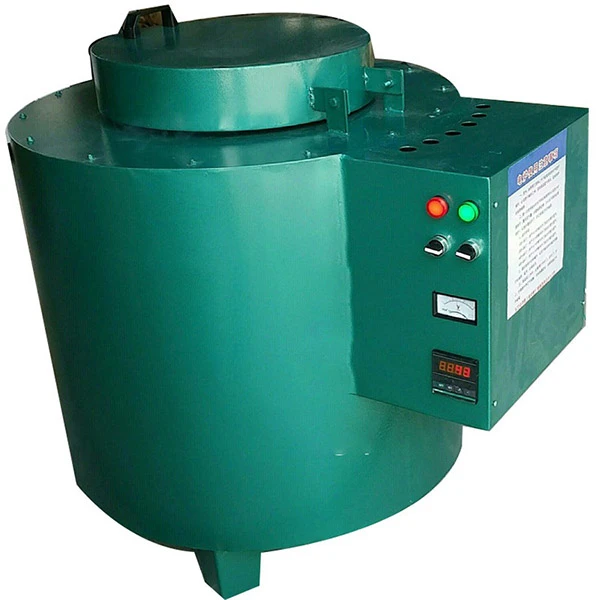

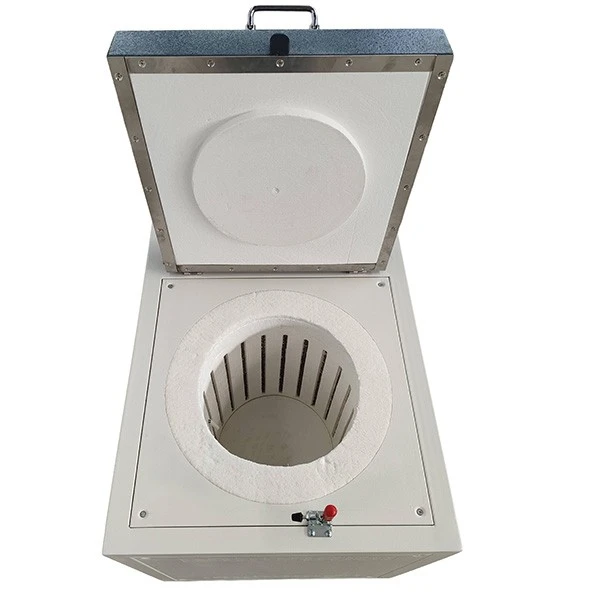
Well Crucible Furnace
Heating chamber of well crucible furnace is a deep pit that holds a removable crucible. You'll find these in foundries and metal processing plants. The crucible sits inside the pit. Made of high grade heat resistant steel or silicon carbide. The crucible holds the molten metal. Keeps it separate from the heating elements. If the crucible cracks, you don't lose the furnace – just replace the crucible.
Danyang Dingfeng Industrial Furnace Co., Ltd. is one of the most reliable manufacturers and suppliers of well crucible furnace in China. If you're going to wholesale durable well crucible furnace made in China, welcome to get pricelist from our factory. All customized products are with high quality and low price.
Product Definition
Heating chamber of well crucible furnace is a deep pit that holds a removable crucible. You'll find these in foundries and metal processing plants. The crucible sits inside the pit. Made of high grade heat resistant steel or silicon carbide. The crucible holds the molten metal. Keeps it separate from the heating elements. If the crucible cracks, you don't lose the furnace – just replace the crucible.

Working Principle
You put solid metal into the crucible. Then lower the crucible into the pit.
The heating system – electric resistance elements or gas/oil burners – sits around the crucible. They fire up. Heat goes through the crucible walls into the metal inside.
A thermocouple monitors the temperature. Some people put the thermocouple right in the molten metal. Others put it near the crucible wall. In the metal is more accurate but the thermocouple wears out faster.
Once the metal hits the right temperature – melting or holding – you pull it out. Use ladles or automated dosing systems. Pour it into molds.

Features
- Vertical well structure. Compact. The pit goes in the ground so it doesn't take up floor space. Heat distribution is efficient because the heat wraps all the way around the crucible.
- Melts fast. The heating elements are close to the crucible walls. Short distance for the heat to travel. One customer melts 300 kg of aluminum in about 45 minutes. His old furnace took an hour and fifteen.
- Good temperature control. PLC or PID systems. You can hold a steady melt temperature within a few degrees. For aluminum, that matters. Too hot and you get gas pickup. Too cold and it won't pour.
- Saves energy. High performance insulation – ceramic fiber or refractory brick. Heat loss is low. I've measured the shell temperature on a running furnace at 60°C. That's warm but not hot. Barely any heat wasted.
- Handles different metals. Aluminum, copper, zinc, lead, tin, alloys. You can swap crucibles for different metals. But don't cross contaminate. A crucible that's seen copper will mess up aluminum.
- Crucible lasts. High quality crucibles – steel or silicon carbide – resist thermal shock. You heat them up, cool them down, they don't crack. A good SiC crucible can last a year with daily use. Steel crucibles maybe six months depending on the metal.
- Safe operation. Over-temperature protection, safety interlocks. The lid won't open if the elements are on full blast. Standard stuff but important.
Applications
- Foundries and die casting. Melting and holding aluminum, zinc, magnesium alloys. High pressure die casting, gravity casting, sand casting. A foundry I know runs two well crucible furnaces for their small casting line – one for aluminum, one for zinc. They pour about 500 kg per day.
- Automotive manufacturing. Aluminum alloy components – engine blocks, cylinder heads, wheels. A customer makes aluminum wheel castings. They melt in a well crucible furnace, then transfer to a holding furnace. Their cycle time is about 8 minutes per wheel.
- Non-ferrous metal processing. Alloying, remelting, temperature holding of copper, brass, bronze. A brass foundry melts in a SiC crucible – 600 kg per batch. They run at 1100°C. The crucible lasts them about nine months.
- Hardware and appliances. Zinc and aluminum for hardware fittings, appliance parts. A hardware maker melts zinc for drawer pulls. They use a small well crucible furnace – maybe 150 kg capacity. Runs all day. The crucible lasts them two years.
- Recycling industry. Remelting scrap non-ferrous metals. A scrap yard melts aluminum wheels and extrusions. They pour into ingots. The well crucible furnace handles the dirty scrap better than a reverberatory furnace because you can skim the dross easily.
Customization
Dingfeng Industrial Furnace. We build to your needs.
- Crucible size and material. Capacities from 50 kg to 1000 kg. Steel crucible for higher temperatures – good for copper and brass. Silicon carbide for aluminum and zinc – better thermal conductivity. We'll spec based on your metal and batch size.
- Heating system. Electric or gas. Electric is cleaner, easier to control. Gas is cheaper to run depending on your local energy prices. I usually ask customers what their utility rates are before recommending.
- Lid mechanism. Manual for small furnaces – a lever and counterweight. Electric hoist for medium. Hydraulic for big ones – smooth and powerful. The lid needs to seal well or you lose heat and the melt oxidizes.
- Automation. Automatic metal dosing systems – the furnace pours itself. Temperature logging for quality records. PLC control for full automation. I've built furnaces that run unmanned overnight. The system fills the crucible, melts, holds, pours, repeats.
- Fume extraction. Exhaust ports and a hood. Melting zinc and magnesium creates fumes. Aluminum does too, especially if there's oil or paint on the scrap. You need extraction or your shop becomes unbreathable.
Hot Tags: well crucible furnace, China well crucible furnace suppliers, factory, Fiber Crucible Furnace, Gas Crucible Furnace, Insulation Crucible Furnace, Oil Fired Crucible Furnace, Refractory Clay Crucible, Well Crucible Furnace



Send Inquiry
