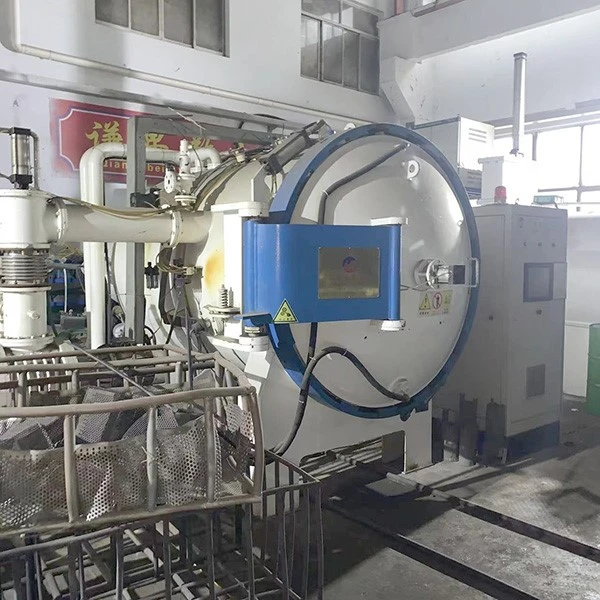
Features of industrial furnace accessories
May 18, 2026
Industrial furnace components are crucial for ensuring the normal operation of the furnace and the stability of the process. Their main characteristics are reflected in the following aspects:
High Temperature and Corrosion Resistance: Industrial furnace components typically withstand high-temperature environments directly or indirectly. Components such as heating elements, furnace linings, and supports must be made of materials resistant to high temperatures and thermal shock. Simultaneously, some components must possess corrosion resistance to cope with chemical corrosion that may arise from the furnace atmosphere or process media, ensuring long-term use without deformation or aging.
High Precision and Stability: Many industrial furnace components perform precise temperature control or positioning functions, such as thermocouples, temperature controllers, sensors, valves, and regulators. They need to maintain stable performance under high temperatures and dynamic operating conditions. High-precision components ensure accurate control of temperature, pressure, and flow, thereby improving process repeatability and product quality.
Modular Design and Easy Maintenance: Most modern industrial furnace components are designed with a modular structure, facilitating installation, disassembly, and replacement. For example, furnace doors, heating elements, insulation layers, or seals can be quickly replaced, reducing downtime and improving maintenance efficiency. Furthermore, modular design helps reduce failure rates and operational complexity.
Safety and Reliability: Industrial furnace components must possess certain safety features, such as fuses, over-temperature protection devices, and pressure relief valves. These components can automatically protect the furnace and operators in the event of equipment malfunction or operational errors, ensuring the reliable and safe operation of the entire system.