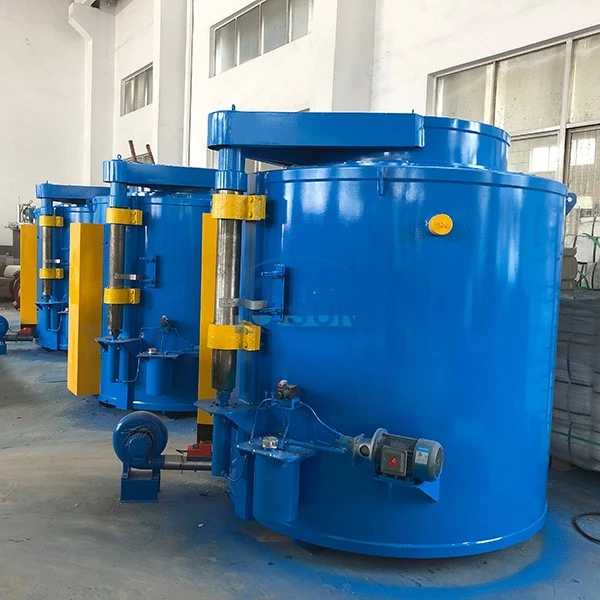
Sealing performance of vacuum furnace
May 20, 2026
The sealing performance of a vacuum furnace is a key indicator of vacuum level and stability, directly affecting the quality of the heat treatment process. Good sealing performance effectively prevents outside air from entering the furnace, reducing gas leakage and residual gas interference, thus ensuring a stable vacuum environment within the furnace over the long term.
Structurally, vacuum furnaces typically employ multiple sealing methods, including metal seals, rubber sealing rings (such as fluororubber and silicone rubber), and graphite seals. Flange connections, furnace door structures, and pipe interfaces are key areas for sealing control. These areas require precision machining and appropriate clamping structures to ensure a tight seal and minimize leakage points.
In actual operation, sealing performance is also affected by temperature changes and material aging. Under high-temperature conditions, sealing materials may deform or age, necessitating regular inspection and replacement of critical seals. Furthermore, pressure rise rate testing and other methods can assess the overall sealing condition, allowing for timely detection of leaks and ensuring the long-term stable and safe operation of the vacuum furnace.