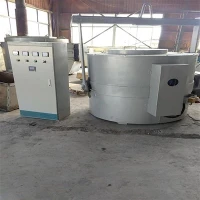
Technical parameters of gas furnace
May 06, 2026
The technical parameters of a gas furnace are primarily used to measure the equipment's performance, efficiency, and safety. One of the most crucial parameters is rated thermal power, which is the maximum heat output the gas furnace can provide under normal operating conditions, usually expressed in kilowatts (kW). Thermal power directly affects heating speed and capacity; household gas furnaces typically range from a few kilowatts to tens of kilowatts, while industrial gas furnaces can reach tens or even hundreds of kilowatts.
Gas consumption and gas pressure are two other important parameters. Gas consumption indicates the amount of gas consumed by the furnace per unit time, usually measured in cubic meters per hour (m³/h), directly reflecting energy consumption levels. Gas pressure refers to the pressure of the gas before it enters the furnace body, commonly ranging from low-pressure gas (approximately 20–300 mbar) to medium-pressure gas (approximately 0.3–1.0 bar). Pressure stability is related to combustion efficiency and safety.
Other technical parameters to consider for gas furnaces include temperature control range, thermal efficiency, and safety protection level. The temperature control range determines the highest and lowest temperatures that the gas furnace can reach; thermal efficiency reflects the ratio of gas energy to usable heat energy, typically between 80% and 95%; safety protection levels include functions such as flameout protection, over-temperature protection, and pressure monitoring, ensuring that the equipment can automatically shut down or alarm in abnormal situations, thus guaranteeing safe use.