

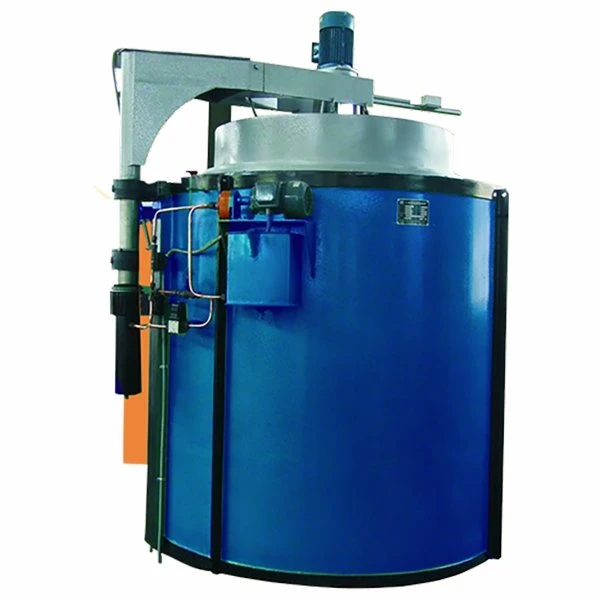

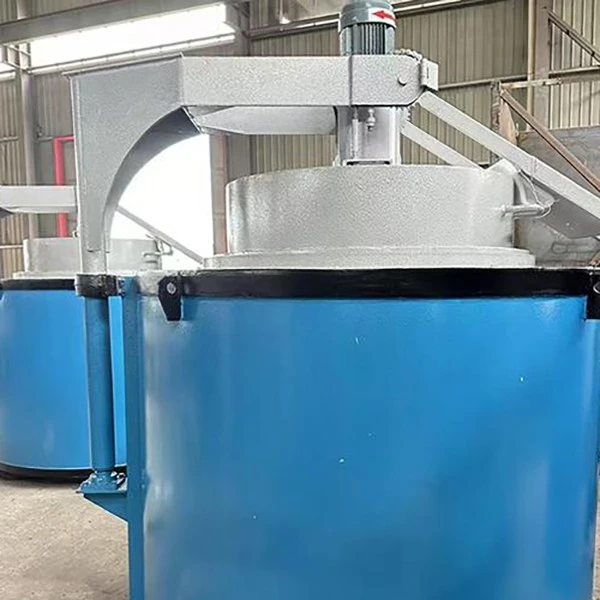
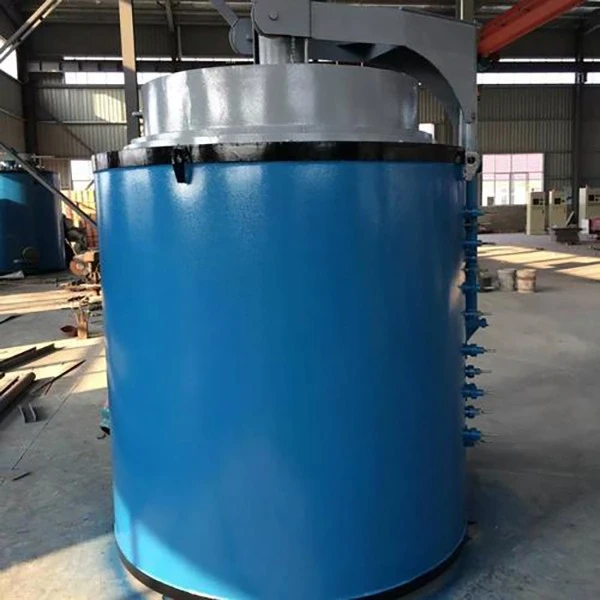
Pit Type Tempering Furnace
Pit type tempering furnace is a vertical electric furnace that goes in the ground. Used for tempering mechanical parts after quenching. Saves floor space because only the lid sits above ground.
What does it do? Relieves internal stress, stabilizes dimensions, improves toughness. The usual tempering stuff. If you're doing batch work in a machine shop, this thing works fine.
Danyang Dingfeng Industrial Furnace Co., Ltd. is one of the most reliable manufacturers and suppliers of pit type tempering furnace in China. If you're going to wholesale durable pit type tempering furnace made in China, welcome to get pricelist from our factory. All customized products are with high quality and low price.
Product Overview
Pit type tempering furnace is a vertical electric furnace that goes in the ground. Used for tempering mechanical parts after quenching. Saves floor space because only the lid sits above ground.
What does it do? Relieves internal stress, stabilizes dimensions, improves toughness. The usual tempering stuff. If you're doing batch work in a machine shop, this thing works fine.

Working Principle
- Electric resistance heating plus a forced hot air circulation system. A fan pushes air around the chamber so the temperature stays even. Heat transfers to the workpieces not just from the walls but from the moving air.
- We rate it at 650 degrees C. That covers most tempering work for carbon and alloy steels. You set your soak time based on section thickness. The circulation keeps temperature uniform so every part gets the same treatment.
- After the cycle finishes, the internal structure of the quenched parts changes. Stresses are gone. Dimensions are stable. Toughness comes up. That's the whole point.

Features
- Even tempering. The forced air circulation gives us temperature uniformity within plus or minus 5 degrees C. I've measured it with a nine-point test using thermocouples at different heights and positions. Worst spot was near the bottom corner, about 4 degrees below setpoint. Good enough for most work. One customer runs 4140 shafts in this furnace. Hardness variation across a 500 kg batch is within 2 Rockwell C points. That's consistent.
- Big batch capacity. Chamber size is 1000 mm diameter by 1500 mm deep. You can stack a lot of medium and small parts in there. A typical load runs 800 to 1000 kg depending on part density. We've done up to 1200 kg with careful stacking.
- Precise medium-low temperature control. Rated at 650 degrees but you can run lower. 350 for stress relief, 480 for some tool steels, 550 for others. The control holds pretty steady. At 500 degrees we see maybe plus or minus 2 degrees. At 650 it's about plus or minus 4. That's fine for tempering.
- Saves floor space. Goes in the ground. The only thing above floor level is the cover and the lifting frame. If you're tight on space, this is a good option. A horizontal furnace of the same capacity would take up maybe three times the floor area.
- Energy saving. Good insulation. We use ceramic fiber or high-grade refractory wool depending on the customer's budget. Heat loss is low. Compared to an old brick-lined pit furnace, our fiber version saves about 20 to 25 percent on power. One customer tracked his monthly usage before and after replacing his old furnace. Dropped from 18,000 kilowatt hours to 13,500 for the same production.
- Easy to work on. Modular design. The heating elements come out in sections. The fan assembly unbolts. You don't have to tear the whole thing apart to fix something. One customer had a failed circulation fan. We replaced it in four hours. The old design would have taken a full day.
Technical Parameters
Here are the numbers.
|
Rated temperature |
650 degrees C |
|
Working chamber size |
1000 mm diameter by 1500 mm deep |
|
Temperature uniformity |
plus or minus 5 degrees C |
|
Heat source |
electric resistance heating |
|
Typical application |
tempering of mechanical parts |
|
Temperature control |
multi-stage PID plus forced air circulation |
Application Industries
Mechanical component manufacturing
Gears, shafts, housings, that kind of stuff.
Automotive parts heat treatment
Axle components, transmission parts, suspension pieces.
Hardware and tool processing
Wrenches, sockets, cutting tools.
Aerospace precision components
Smaller parts that need tight control.
Mold manufacturing
Tempering of mold steels after hardening.
Customization Capabilities
We change things based on what you're running.
- Chamber size. Need bigger? We've built pits up to 2 meters diameter and 3 meters deep. Need smaller? 600 mm diameter for tool rooms. Whatever fits your parts.
- Process customization. Different temperatures for different alloys. 350 degrees for some spring steels. 650 for hot work tool steels. We can adjust the control parameters for your specific cycles.
- Functional upgrades. Forced circulation comes standard on ours but some cheap furnaces skip it. Don't skip it. Without forced air, the temperature gradient from top to bottom can be 30 degrees or more. We also offer automatic loading devices like a hoist and rack if you're moving heavy baskets.
- Structural customization. Furnace cover opening. Swing type or lift type. Lift type needs ceiling height. Swing type needs floor space on one side. Depends on your shop layout. Loading rack structures. We can design baskets specifically for your parts.

Equipment Structure
Let me walk you through the parts.
- Pit type tempering furnace body. Vertical steel shell. Goes in the pit, which is a concrete lined hole in your floor. Inside is refractory insulation. Ceramic fiber modules or brick depends what you order. We recommend fiber for faster cycles and better efficiency.
- Heating and circulation system. Electric heating elements. Resistance wire or ribbon depending on temperature. Circulation fan at the top or bottom. We usually put it at the top because hot air rises anyway. Air guide plates on the walls direct the flow down one side and up the other. Makes a loop.
- Temperature control system. PID controller or PLC with sensors. A few thermocouples at different heights. The controller reads the average and adjusts power to the elements. Some customers want a six-point recording system. We can do that.
- Furnace cover system. The lid. Lifts with a small hoist or a screw drive. Seals against the top flange. We use a sand seal or a soft fiber seal. A good seal matters. If your lid leaks, heat escapes and your power bill goes up.
- Loading and auxiliary system. Loading baskets. Wire mesh or perforated plate. We make them from heat resistant steel. 310 stainless or Inconel if you're doing really high temp work. A lifting structure, either a shop crane or a dedicated hoist. A maintenance platform if the pit is deep. You don't want to lean over the edge.
- Safety protection system. Over-temperature alarm that's independent of the main controller. If the furnace runs away, this catches it. Furnace cover interlock. You can't open the lid while the fan is running. Not because it's dangerous but because the rushing hot air will burn you. Leakage protection. Standard electrical safety stuff.
Hot Tags: pit type tempering furnace, China pit type tempering furnace suppliers, factory


Send Inquiry
