

What are the transportation requirements for a well furnace?
Aug 14, 2026
Hey there! As a well furnace supplier, I've been in the thick of it when it comes to understanding the ins and outs of these essential pieces of equipment. One question that pops up a lot is about the transportation requirements for a well furnace. So, let's dive right in and break it down.
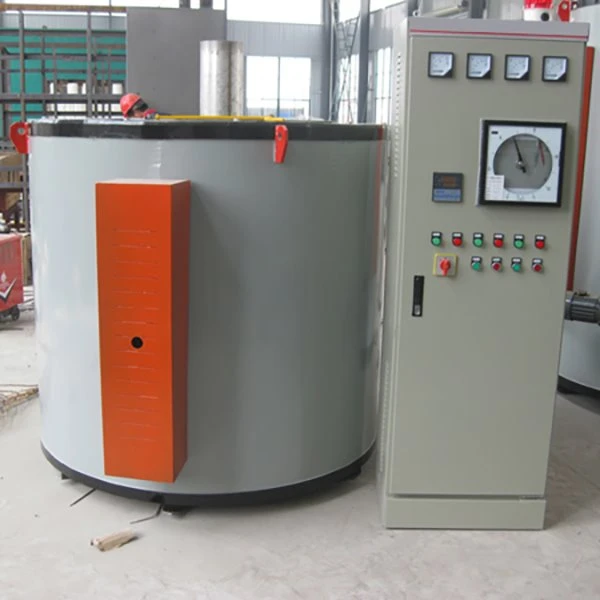
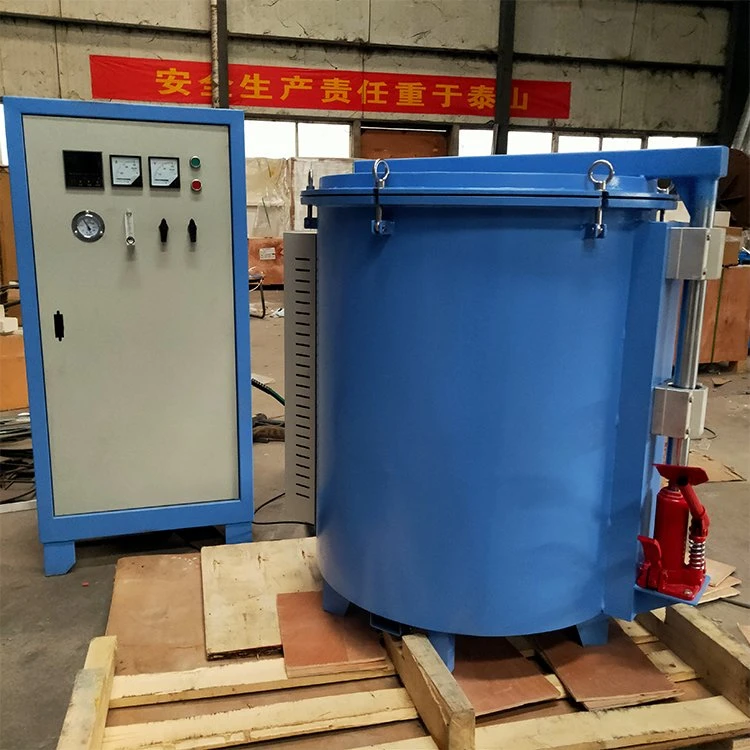
First off, well furnaces come in different shapes and sizes, each with its own set of transportation challenges. We've got the All-fiber Lined Well Furnace, the Well-type Quenching Furnace, the Well-type Aging Furnace, the Vacuum Well Furnace, and the Ordinary Well Furnace. Each of these has unique features that need to be considered during transportation.
Size and Weight Considerations
Well furnaces are generally large and heavy pieces of equipment. The size and weight play a huge role in determining the transportation method. For smaller well furnaces, a flatbed truck might be sufficient. These trucks are great for transporting items that can be easily loaded and secured on a flat surface. However, for larger and heavier well furnaces, specialized transport methods like heavy - haul trucks or even shipping containers might be required.
When it comes to weight, it's not just about the overall mass of the furnace. You also need to consider the weight distribution. An unevenly distributed load can cause problems during transportation, such as instability and potential damage to the furnace. So, before loading the furnace onto the transport vehicle, we always make sure to calculate the weight distribution accurately and take the necessary steps to balance it.
Packaging and Protection
Proper packaging is crucial to ensure that the well furnace arrives at its destination in one piece. We use high - quality materials like wooden crates and foam padding to protect the furnace from external impacts. The wooden crates provide a sturdy outer shell that can withstand rough handling during transportation. Meanwhile, the foam padding acts as a shock absorber, reducing the effect of vibrations and bumps on the furnace.
For sensitive components of the well furnace, such as electronic controls and precise sensors, we use additional protective measures. These components are often packed in separate containers with extra cushioning to prevent any damage from electrical interference or mechanical shock.
Permits and Regulations
Transporting well furnaces involves dealing with a whole bunch of permits and regulations. Depending on the size, weight, and destination of the furnace, you may need to obtain special permits from local transportation authorities. These permits ensure that the transportation is carried out in a safe and legal manner.
In addition to local regulations, there are also international regulations to consider if you're shipping the well furnace overseas. These regulations cover everything from customs clearance to environmental standards. It's important to stay up - to - date with all the regulations to avoid any delays or fines during the transportation process.
Handling and Loading
The way the well furnace is handled and loaded onto the transport vehicle is also critical. We use specialized equipment like cranes and forklifts to ensure a smooth and safe loading process. The operators of these equipment are highly trained to handle large and heavy objects like well furnaces.
Before loading, we make sure the transport vehicle is properly positioned and secured. The furnace is then carefully lifted and placed onto the vehicle, making sure it is centered and balanced. Once on the vehicle, the furnace is secured using straps, chains, and other fastening devices to prevent it from moving during transit.
Route Planning
Planning the right route is essential for a successful well furnace transportation. We take into account factors like road conditions, traffic patterns, and bridge and tunnel clearances. For example, if the well furnace is too tall, we need to avoid routes with low - clearance bridges.
We also need to consider the weather conditions. Bad weather, such as heavy rain, snow, or strong winds, can make transportation difficult and dangerous. So, we often check the weather forecast in advance and adjust the transportation schedule if necessary.
Communication and Tracking
Throughout the transportation process, communication is key. We keep in touch with the transport team to get regular updates on the progress of the shipment. We also use tracking systems to monitor the location of the well furnace in real - time. This allows us to quickly address any issues that may arise during transit, such as delays or unexpected road closures.
Insurance
Another important aspect of well furnace transportation is insurance. Accidents can happen on the road, and having insurance coverage ensures that you're protected in case of damage or loss to the furnace. We always recommend that our customers purchase comprehensive insurance for their well furnace shipments.
Conclusion
In conclusion, transporting a well furnace requires careful planning and attention to detail. From considering the size and weight to dealing with permits and regulations, every step of the process is crucial. As a well furnace supplier, we've got the experience and expertise to handle all these aspects for you.
If you're in the market for a well furnace and need to know more about the transportation requirements or are ready to make a purchase, don't hesitate to reach out. We're here to answer any questions you might have and help you with a smooth and hassle - free transaction.
References
- General knowledge from years of experience in well furnace supply and transportation.
- Industry standards and guidelines for heavy equipment transportation.