

What are the applications of resistance heating strips?
Aug 13, 2026
Hey there! As a supplier of resistance heating strips, I'm super stoked to share with you the wide range of applications these nifty little things have. Resistance heating strips are pretty much everywhere, and they play a crucial role in a ton of different industries. Let's dive right in and explore where these heating strips are used.
Industrial Heating
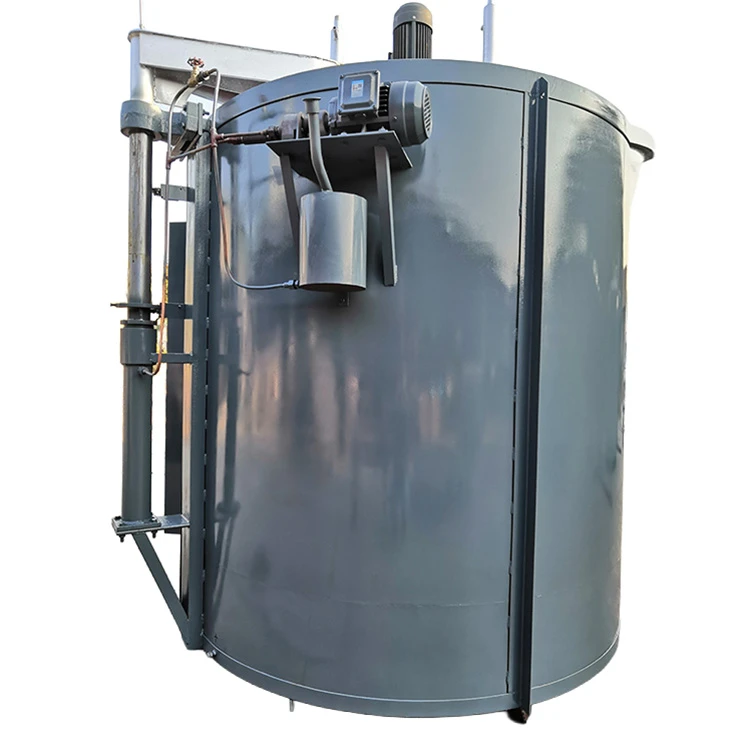
One of the most common applications of resistance heating strips is in industrial heating processes. In factories and manufacturing plants, these strips are used to heat up all sorts of equipment. For example, they're used in Pit Furnace Heating Element. Pit furnaces are used for heat treating metals, and the resistance heating strips provide the necessary heat to reach the high temperatures required for processes like annealing, hardening, and tempering.
Another industrial use is in Carburizing Furnace Retort. Carburizing is a process where carbon is added to the surface of a metal to increase its hardness. The resistance heating strips in the retort help maintain the high temperatures needed for this chemical reaction to take place.
Food Industry
The food industry also makes great use of resistance heating strips. In commercial kitchens, they're used in ovens, grills, and fryers. These strips ensure that the cooking equipment reaches and maintains the right temperature for cooking food evenly. Whether it's baking bread, roasting meat, or frying fries, resistance heating strips are there to do the job.
For example, in a pizza oven, the heating strips are placed on the top and bottom to provide even heat distribution. This ensures that the pizza crust gets crispy on the outside while the cheese melts perfectly on the inside. It's all thanks to the reliable performance of these heating strips.
Medical Equipment
In the medical field, resistance heating strips are used in a variety of equipment. Take thermometers for instance. Some advanced thermometers use heating strips to quickly reach the body temperature and provide an accurate reading. They're also used in medical incubators to keep the temperature stable for premature babies or for storing sensitive medical samples.
Thermosensor Probe is another piece of medical equipment that often incorporates resistance heating strips. These probes are used to measure the temperature in different parts of the body, and the heating strips help ensure that the probe is at the right temperature for accurate readings.
HVAC Systems
Heating, ventilation, and air conditioning (HVAC) systems rely on resistance heating strips to provide warmth during the cold months. In electric furnaces, the heating strips are the main source of heat. They're turned on when the thermostat senses that the temperature in the room has dropped below the set level.
The heating strips in HVAC systems are designed to be energy - efficient and long - lasting. They can quickly heat up the air that is then circulated throughout the building, keeping everyone comfortable.
Aerospace and Aviation
In the aerospace and aviation industries, resistance heating strips are used for de - icing purposes. On aircraft wings, heating strips are installed to prevent ice from forming. Ice on the wings can be extremely dangerous as it can affect the aerodynamics of the plane and reduce its lift.
The resistance heating strips are activated when the aircraft is flying in cold and icy conditions. They generate heat to melt the ice and keep the wings clear, ensuring the safety of the flight.
Construction
In the construction industry, resistance heating strips are used for floor heating systems. Radiant floor heating is becoming increasingly popular as it provides a more comfortable and energy - efficient way to heat a building. The heating strips are installed under the floor, and when turned on, they radiate heat upwards, warming the entire room.
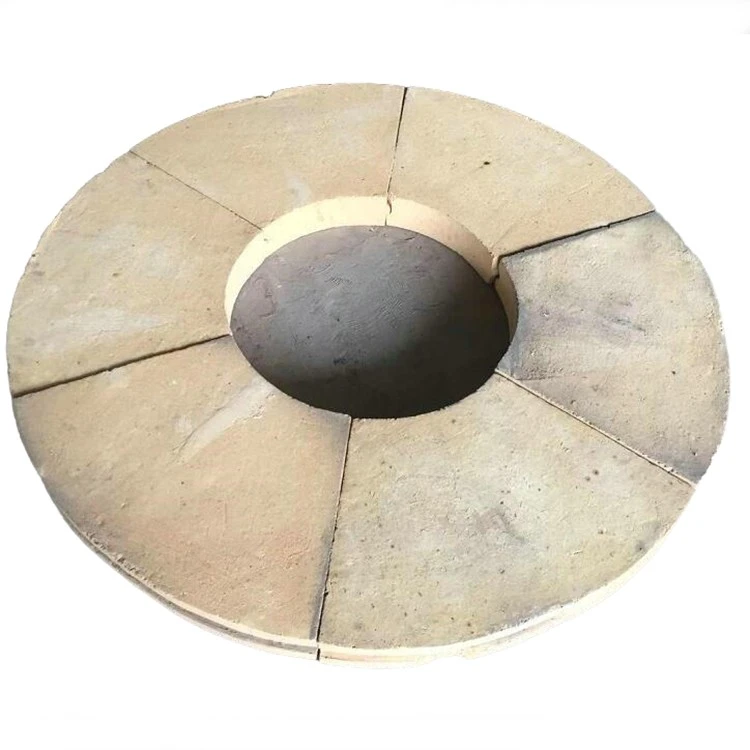
Building materials like High Alumina Brick and Lightweight Fan - Shaped Brick can also benefit from the use of resistance heating strips. These bricks are often used in high - temperature applications such as kilns and furnaces, and the heating strips can help maintain the required temperature for the manufacturing process.
Automotive
In the automotive industry, resistance heating strips are used in various applications. For example, they're used in car seat heaters. When it's cold outside, you can turn on the seat heater, and the resistance heating strips inside the seat will warm it up, providing a cozy and comfortable driving experience.
They're also used in windshield defrosters. The heating strips are embedded in the windshield, and when activated, they quickly melt the ice and fog on the glass, improving visibility for the driver.
Advantages of Using Resistance Heating Strips
One of the biggest advantages of resistance heating strips is their simplicity. They're easy to install and maintain. They also offer precise temperature control, which is crucial in many applications. Whether you need a low - temperature heat for a food warmer or a high - temperature heat for an industrial furnace, resistance heating strips can be adjusted to meet your needs.
Another advantage is their energy efficiency. Compared to other heating methods, resistance heating strips convert a high percentage of electrical energy into heat energy, which means less energy is wasted.
Why Choose Our Resistance Heating Strips
As a supplier of resistance heating strips, we take pride in offering high - quality products. Our heating strips are made from the best materials, ensuring long - lasting performance. We also offer a wide range of sizes and specifications to meet the diverse needs of our customers.
Whether you're in the industrial, food, medical, or any other industry, we have the right resistance heating strip for you. Our team of experts is always ready to help you choose the best product for your specific application.
Let's Connect
If you're interested in purchasing resistance heating strips for your business, we'd love to hear from you. We can provide you with detailed product information, pricing, and samples. Just reach out to us, and we'll start a great conversation about how our heating strips can meet your requirements.
References
- "Industrial Heating Handbook" by John Doe
- "Food Processing Technology" by Jane Smith
- "Medical Equipment Design and Development" by Tom Brown
- "HVAC Systems Basics" by Sarah Green
- "Aerospace Engineering Principles" by Mike White
- "Construction Materials and Methods" by Emily Black
- "Automotive Technology Guide" by David Gray