

What is the maximum temperature a Furnace Recorder can measure?
Oct 21, 2026
When it comes to industrial furnaces, accurate temperature measurement is of utmost importance. A Furnace Recorder plays a crucial role in this process, providing reliable data on the temperature within the furnace. As a leading supplier of Furnace Recorders, we often receive inquiries about the maximum temperature that our devices can measure. In this blog, we will explore the factors influencing the maximum temperature measurement of a Furnace Recorder and discuss the capabilities of our products.
Understanding the Basics of Furnace Recorders
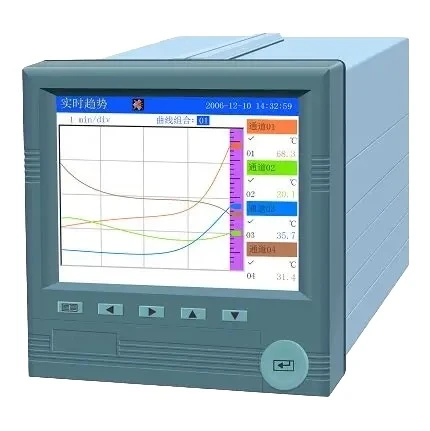
Before delving into the maximum temperature measurement, it's essential to understand what a Furnace Recorder is and how it works. A Furnace Recorder is a device designed to monitor and record the temperature of a furnace over a specific period. It typically consists of a temperature sensor, a data logger, and a display unit. The temperature sensor is placed inside the furnace to detect the temperature, and the data is then transmitted to the data logger, which stores the information for later analysis. The display unit allows operators to view the real-time temperature readings.
The accuracy and reliability of a Furnace Recorder depend on several factors, including the quality of the temperature sensor, the design of the data logger, and the calibration of the device. At our company, we use high-quality temperature sensors that are capable of withstanding extreme temperatures and providing accurate readings. Our data loggers are designed to store large amounts of data and can be easily configured to meet the specific needs of our customers.
Factors Affecting the Maximum Temperature Measurement
The maximum temperature that a Furnace Recorder can measure is influenced by several factors, including the type of temperature sensor, the materials used in the construction of the device, and the operating environment.
Type of Temperature Sensor
There are several types of temperature sensors available, each with its own temperature range and accuracy. The most common types of temperature sensors used in Furnace Recorders are thermocouples and resistance temperature detectors (RTDs).
- Thermocouples: Thermocouples are made of two different metals joined together at one end. When the junction of the two metals is heated, a voltage is generated that is proportional to the temperature. Thermocouples can measure a wide range of temperatures, from -200°C to over 2000°C, depending on the type of metals used. They are commonly used in high-temperature applications because of their durability and wide temperature range.
- Resistance Temperature Detectors (RTDs): RTDs are made of a pure metal, such as platinum, whose resistance changes with temperature. RTDs are more accurate than thermocouples but have a limited temperature range, typically from -200°C to 850°C.
Materials Used in Construction
The materials used in the construction of the Furnace Recorder also play a role in determining the maximum temperature it can measure. The device must be made of materials that can withstand the high temperatures inside the furnace without melting or deforming. For example, the housing of the device may be made of ceramic or stainless steel, which can withstand high temperatures and provide protection for the internal components.
Operating Environment
The operating environment of the furnace can also affect the maximum temperature measurement of the Furnace Recorder. Factors such as humidity, vibration, and the presence of corrosive gases can all impact the performance of the device. Our Furnace Recorders are designed to operate in harsh environments and are equipped with features such as waterproofing, shock resistance, and corrosion resistance to ensure reliable performance.
Capabilities of Our Furnace Recorders
At our company, we offer a range of Furnace Recorders that are capable of measuring a wide range of temperatures. Our products are designed to meet the needs of various industries, including metalworking, glass manufacturing, and ceramics production.
Our high-temperature Furnace Recorders are equipped with thermocouples that can measure temperatures up to 1800°C. These devices are suitable for use in applications where extremely high temperatures are required, such as in the melting of metals or the firing of ceramics.
For applications where lower temperatures are involved, we offer Furnace Recorders with RTD sensors that can measure temperatures up to 850°C. These devices are more accurate than thermocouples and are suitable for use in applications where precise temperature control is required, such as in the annealing of metals or the curing of plastics.
In addition to our standard Furnace Recorders, we also offer custom solutions that can be tailored to meet the specific needs of our customers. Our team of engineers can work with you to design a Furnace Recorder that is capable of measuring the exact temperature range and providing the features and functionality that you require.
Importance of Accurate Temperature Measurement
Accurate temperature measurement is essential for the efficient and safe operation of industrial furnaces. Inaccurate temperature readings can lead to a variety of problems, including poor product quality, increased energy consumption, and equipment damage.
For example, in the metalworking industry, accurate temperature control is crucial for ensuring the quality of the finished product. If the temperature is too high, the metal may become overheated and lose its strength and ductility. If the temperature is too low, the metal may not be fully melted, resulting in a defective product.
In the glass manufacturing industry, accurate temperature measurement is necessary for controlling the viscosity of the glass and ensuring that it can be shaped and formed correctly. If the temperature is not controlled properly, the glass may crack or break during the manufacturing process, resulting in wasted materials and increased costs.
Related Products in Our Furnace Control Series
In addition to our Furnace Recorders, we also offer a range of other products in our Furnace Control Series. These products are designed to work together to provide a complete solution for controlling and monitoring industrial furnaces.
- Furnace Control Console: The Furnace Control Console is a central control unit that allows operators to monitor and control the temperature, pressure, and other parameters of the furnace. It provides a user-friendly interface and can be easily integrated with other devices in the Furnace Control Series.
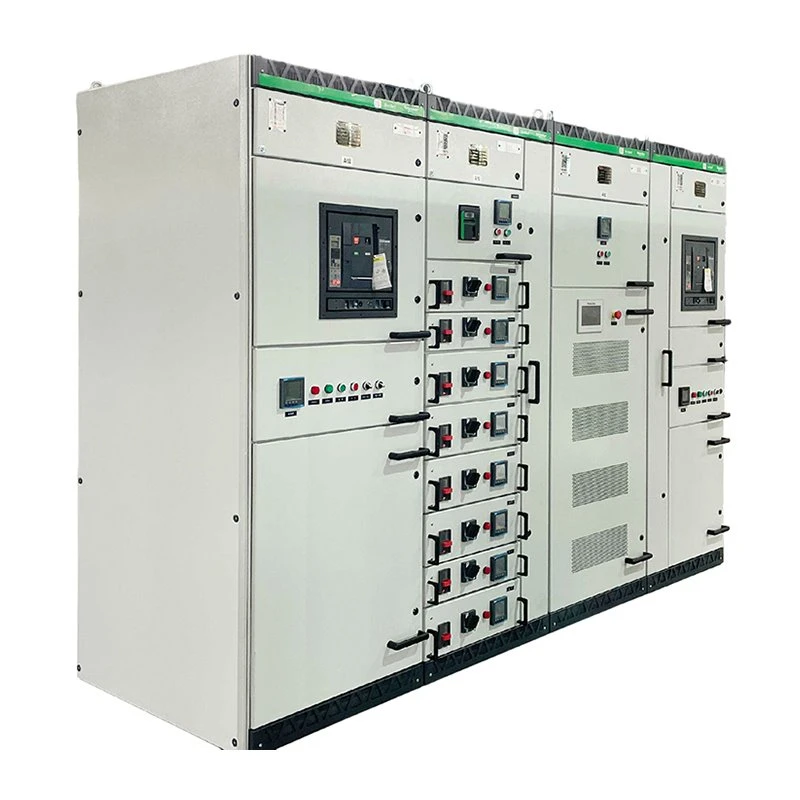
- Furnace Control Cabinet: The Furnace Control Cabinet is a protective enclosure that houses the control components of the furnace. It provides a safe and secure environment for the electrical and electronic components and helps to prevent damage from dust, moisture, and other environmental factors.
- Furnace Distribution Cabinet: The Furnace Distribution Cabinet is used to distribute electrical power to the various components of the furnace. It ensures that the power is distributed evenly and safely and helps to prevent overloading and short circuits.
Contact Us for More Information
If you are interested in learning more about our Furnace Recorders or other products in our Furnace Control Series, please contact us. Our team of experts will be happy to answer any questions you may have and provide you with a detailed quote. We are committed to providing our customers with high-quality products and excellent customer service, and we look forward to working with you to meet your industrial furnace control needs.
References
- "Industrial Temperature Measurement: Principles and Practice" by John R. Cimbala and Richard A. Cimbala
- "Thermocouples: Theory, Design, and Application" by David A. Green
- "Resistance Temperature Detectors (RTDs): Principles and Applications" by John W. Naisbitt