

Can a resistance furnace be used for thermal cycling?
Oct 22, 2026
When dealing with various heat treatment processes in industrial manufacturing, the concept of thermal cycling is of paramount importance. Thermal cycling involves the repeated heating and cooling of a material to achieve specific physical and mechanical property changes. One question that often arises is whether a resistance furnace can be effectively used for thermal cycling. As a resistance furnace supplier, I am well - positioned to provide in - depth insights into this topic.
Understanding Resistance Furnaces
Resistance furnaces are a type of electric furnace that generate heat through the electrical resistance of a heating element. These furnaces are widely used in industries such as metallurgy, ceramics, and materials research due to their high efficiency, precise temperature control, and relatively low environmental impact compared to some other heating methods.
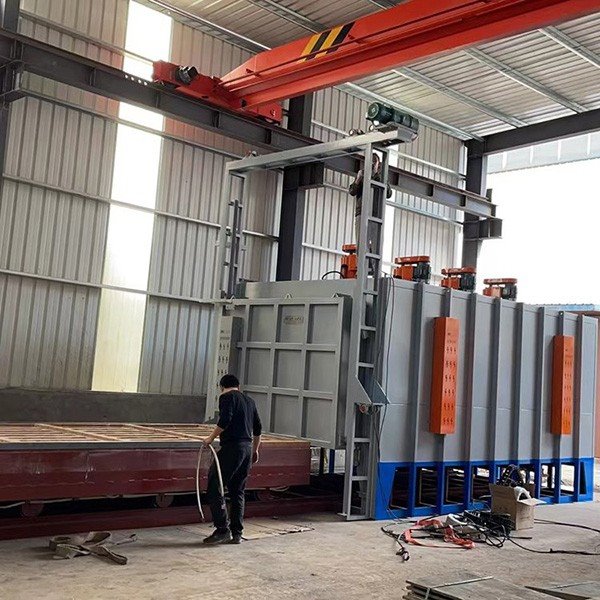
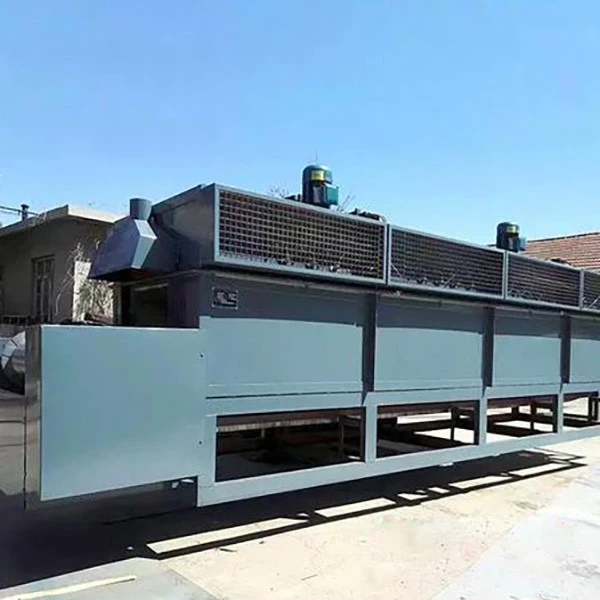
There are several types of resistance furnaces available in the market. For example, the Annealing Resistance Furnace is specifically designed for annealing processes, which involve heating a material to a specific temperature and then slowly cooling it to relieve internal stresses and improve ductility. The Box Type Resistance Furnace is a common choice for general heat treatment applications, with a simple and robust design that allows for easy loading and unloading of workpieces. The Mesh Belt Furnace is suitable for continuous heat treatment of small - to medium - sized parts, as it uses a mesh belt to transport the workpieces through the heating and cooling zones. The Crucible Resistance Furnace is used for melting and holding small amounts of metals or other materials in a crucible, and the Quenching Resistance Furnace is designed for rapid cooling after heating to achieve high hardness in metals.
Can Resistance Furnaces be Used for Thermal Cycling?
The short answer is yes, resistance furnaces can be used for thermal cycling. However, several factors need to be considered to ensure the effectiveness and safety of the process.
Temperature Control Precision
One of the key requirements for thermal cycling is precise temperature control. Resistance furnaces are known for their excellent temperature control capabilities. Modern resistance furnaces are equipped with advanced temperature controllers that can maintain a stable temperature within a very narrow range. This is crucial for thermal cycling, as the material needs to be heated and cooled to specific temperatures accurately. For example, in heat - treating metals, a slight deviation from the target temperature during thermal cycling can significantly affect the final material properties.
Heating and Cooling Rates
The heating and cooling rates are also important in thermal cycling. Resistance furnaces typically offer relatively fast heating rates due to the high power density of the heating elements. However, the cooling rates may be more challenging to control. In some cases, additional cooling systems such as fans or water - cooled jackets can be added to the resistance furnace to achieve the desired cooling rates. For instance, in a quenching process, a high - speed cooling rate is required to transform the microstructure of the metal and increase its hardness.
Furnace Material and Insulation
The material and insulation of the resistance furnace play a vital role in thermal cycling. The furnace lining should be able to withstand repeated thermal shocks without cracking or deteriorating. High - quality refractory materials are often used in the construction of resistance furnaces to ensure long - term durability during thermal cycling. Good insulation is also essential to minimize heat loss and improve energy efficiency, which is especially important when performing multiple cycles of heating and cooling.
Advantages of Using Resistance Furnaces for Thermal Cycling
Energy Efficiency
Resistance furnaces are generally more energy - efficient compared to some other types of furnaces. Since they directly convert electrical energy into heat, there is less energy loss during the heating process. This is particularly beneficial for thermal cycling, as multiple heating and cooling cycles can consume a significant amount of energy. By using a resistance furnace, manufacturers can reduce their energy costs and improve their environmental footprint.
Precise Process Control
As mentioned earlier, the precise temperature control of resistance furnaces allows for accurate thermal cycling. This precision is crucial for achieving consistent material properties. For example, in the production of aerospace components, where the mechanical properties of the materials are critical for safety and performance, using a resistance furnace for thermal cycling ensures that each part meets the strict quality standards.
Versatility
Resistance furnaces come in a variety of types and sizes, making them suitable for a wide range of thermal cycling applications. Whether it is a small - scale laboratory experiment or a large - scale industrial production, there is a resistance furnace that can meet the specific requirements. The different types of resistance furnaces, such as the annealing, box - type, mesh - belt, crucible, and quenching furnaces, can be used for different thermal cycling processes depending on the material and the desired outcome.
Challenges and Solutions in Using Resistance Furnaces for Thermal Cycling
Thermal Stress on the Furnace
One of the main challenges in using resistance furnaces for thermal cycling is the thermal stress exerted on the furnace components. Repeated heating and cooling can cause expansion and contraction, which may lead to cracking or deformation of the furnace lining and other parts. To address this issue, manufacturers can use high - strength and thermal shock - resistant materials in the furnace construction. Additionally, proper furnace design, such as allowing for thermal expansion, can help reduce the stress on the components.
Contamination
During thermal cycling, there is a risk of contamination from the furnace atmosphere or the material being processed. For example, in some heat - treating processes, oxidation of the metal workpiece can occur if the furnace atmosphere is not properly controlled. To prevent contamination, resistance furnaces can be equipped with gas - purging systems or operated in a controlled atmosphere. For instance, in a vacuum resistance furnace, the air inside the furnace is evacuated to prevent oxidation and other forms of contamination.
Applications of Resistance Furnaces in Thermal Cycling
Metallurgy
In the metallurgical industry, resistance furnaces are widely used for thermal cycling processes such as annealing, quenching, and tempering. For example, in the production of steel, annealing is used to soften the steel and improve its machinability, while quenching and tempering are used to increase its hardness and toughness. The precise temperature control and heating/cooling rate capabilities of resistance furnaces make them ideal for these processes.
Ceramics
In the ceramics industry, thermal cycling is used to sinter ceramic materials and improve their mechanical and electrical properties. Resistance furnaces can provide the high temperatures required for ceramic sintering and can be programmed to perform the necessary heating and cooling cycles. This allows for the production of high - quality ceramic products with consistent properties.
Materials Research
In materials research laboratories, resistance furnaces are used for thermal cycling experiments to study the behavior of new materials under different thermal conditions. Scientists can use these furnaces to simulate real - world scenarios and investigate the effects of thermal cycling on the material's structure and properties.
Contact for Purchase and Consultation
If you are interested in using resistance furnaces for thermal cycling in your industrial processes or research projects, we are here to help. Our company offers a wide range of resistance furnaces, including Annealing Resistance Furnace, Box Type Resistance Furnace, Mesh Belt Furnace, Crucible Resistance Furnace, and Quenching Resistance Furnace. We have a team of experienced engineers who can provide technical support and advice on the best furnace selection and thermal cycling process design for your specific needs. Feel free to contact us for more information and to start a purchase negotiation.
References
- ASM Handbook, Volume 4: Heat Treating. ASM International.
- Perry, R. H., & Green, D. W. (1997). Perry's Chemical Engineers' Handbook. McGraw - Hill.
- Reay, D. A., & MacMichael, J. (2016). Heat Transfer: Principles, Applications, and Design. Academic Press.