

Can a Furnace Recorder be used in a home furnace?
Aug 26, 2026
Can a Furnace Recorder be used in a home furnace?
As a supplier of furnace control equipment, including the Furnace Recorder, I often receive inquiries about the applicability of our products in home settings. In this blog post, I will explore the feasibility of using a furnace recorder in a home furnace, discussing its benefits, limitations, and practical considerations.
Understanding the Furnace Recorder
A furnace recorder is a device designed to monitor and record various parameters related to the operation of a furnace. These parameters may include temperature, pressure, fuel consumption, and other critical data. By collecting and analyzing this information, the recorder provides valuable insights into the performance and efficiency of the furnace.
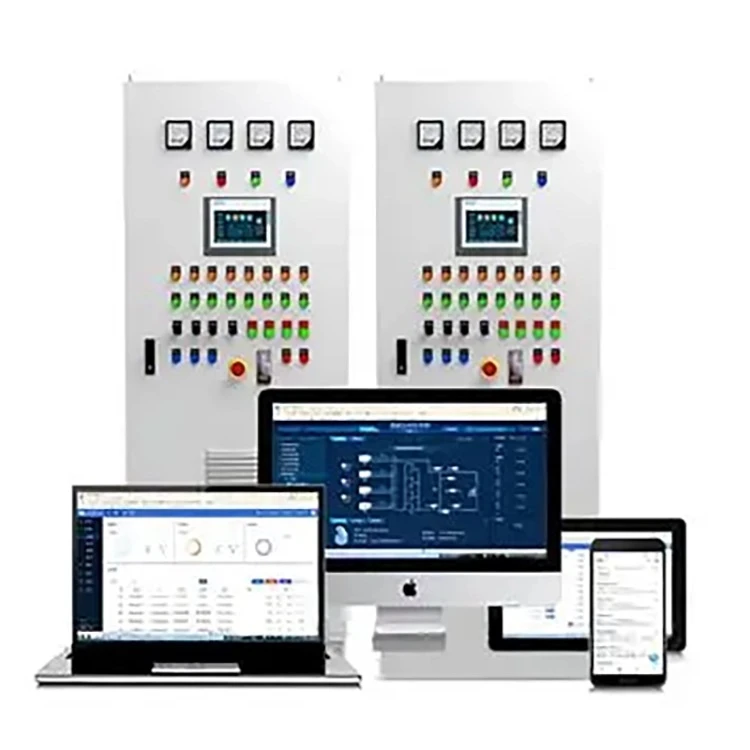
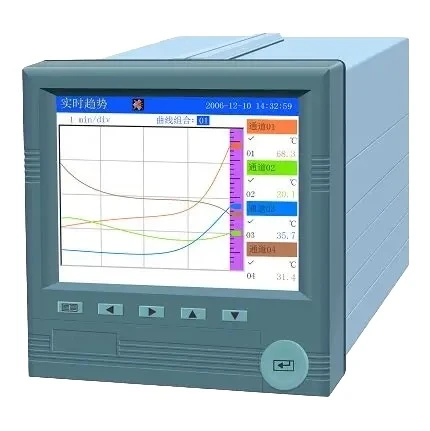
The Furnace Control System typically includes a Furnace Control Console, Furnace Control Cabinet, and Furnace Distribution Cabinet, along with the furnace recorder. These components work together to ensure the safe and efficient operation of the furnace.
Benefits of Using a Furnace Recorder in a Home Furnace
-
Energy Efficiency
One of the primary benefits of using a furnace recorder in a home furnace is improved energy efficiency. By monitoring and analyzing the temperature and fuel consumption data, homeowners can identify patterns and make adjustments to optimize the operation of the furnace. For example, if the recorder shows that the furnace is using more fuel than necessary to maintain a certain temperature, adjustments can be made to the thermostat or the burner settings to reduce energy consumption. -
Maintenance and Troubleshooting
A furnace recorder can also be a valuable tool for maintenance and troubleshooting. By recording the operating parameters of the furnace over time, homeowners and technicians can detect any abnormalities or trends that may indicate a potential problem. For example, a sudden increase in temperature or pressure could be a sign of a blockage or a malfunction in the furnace. By reviewing the recorded data, technicians can quickly diagnose the problem and take appropriate action to prevent further damage. -
Safety
Safety is a top priority when it comes to home furnaces. A furnace recorder can help ensure the safe operation of the furnace by monitoring critical parameters such as temperature and pressure. If the recorder detects any abnormal readings, it can trigger an alarm or shut down the furnace to prevent a potentially dangerous situation.
Limitations of Using a Furnace Recorder in a Home Furnace
-
Cost
One of the main limitations of using a furnace recorder in a home furnace is the cost. Furnace recorders can be relatively expensive, especially for high-end models with advanced features. Additionally, the installation and maintenance of the recorder may also require additional costs. -
Complexity
Furnace recorders can be complex devices, especially for homeowners who are not familiar with technical equipment. The installation and operation of the recorder may require some technical knowledge and skills. Additionally, the analysis of the recorded data may also require some expertise. -
Compatibility
Not all home furnaces are compatible with furnace recorders. Before purchasing a furnace recorder, homeowners should ensure that their furnace is compatible with the device. Additionally, the recorder may need to be customized or configured to work with the specific furnace model.
Practical Considerations
-
Installation
The installation of a furnace recorder should be carried out by a qualified technician. The technician will need to ensure that the recorder is installed correctly and that it is compatible with the furnace. Additionally, the technician will need to configure the recorder to collect and analyze the relevant data. -
Data Analysis
The analysis of the recorded data is an important step in using a furnace recorder. Homeowners can use the data to identify patterns and make adjustments to optimize the operation of the furnace. However, the analysis of the data may require some technical knowledge and skills. Homeowners may need to seek the assistance of a technician or a professional energy auditor to analyze the data. -
Maintenance
Like any other device, a furnace recorder requires regular maintenance to ensure its proper operation. The maintenance of the recorder may include cleaning, calibration, and software updates. Homeowners should follow the manufacturer's instructions for maintenance and ensure that the recorder is serviced regularly.
Conclusion
In conclusion, a furnace recorder can be a valuable tool for homeowners who want to improve the energy efficiency, safety, and maintenance of their home furnaces. However, the use of a furnace recorder in a home furnace also has some limitations, including cost, complexity, and compatibility. Before purchasing a furnace recorder, homeowners should carefully consider these factors and ensure that the device is suitable for their needs.
If you are interested in learning more about our Furnace Recorder or other furnace control equipment, please feel free to contact us for more information. We would be happy to discuss your specific requirements and provide you with a customized solution.
References
- Manufacturer's documentation for the furnace recorder
- Industry standards and guidelines for furnace operation and control
- Technical articles and research papers on energy efficiency and furnace performance