

What is the heating rate in an annealing furnace and how to adjust it?
Aug 25, 2026
In the realm of materials processing, annealing is a crucial heat treatment process that can significantly alter the physical and mechanical properties of metals and alloys. As a leading annealing furnace supplier, I often encounter questions from customers about the heating rate in an annealing furnace and how to adjust it. In this blog post, I will delve into these topics to provide a comprehensive understanding for those involved in materials processing.
What is the Heating Rate in an Annealing Furnace?
The heating rate in an annealing furnace refers to the speed at which the temperature inside the furnace increases over a specific period. It is typically measured in degrees Celsius per minute (°C/min) or degrees Fahrenheit per minute (°F/min). The heating rate plays a vital role in the annealing process as it can affect the microstructure and properties of the annealed material.
A slow heating rate allows for a more uniform distribution of heat throughout the material, reducing the risk of thermal stress and cracking. This is particularly important for large or thick workpieces, as rapid heating can cause uneven expansion and contraction, leading to internal stresses and potential damage. On the other hand, a fast heating rate can save time and energy, but it may also result in non - uniform heating and less - than - optimal annealing results.
The appropriate heating rate depends on several factors, including the type of material being annealed, its size and shape, and the desired annealing outcome. For example, some high - alloy steels may require a slow heating rate to ensure proper diffusion of alloying elements, while simple carbon steels may tolerate a faster heating rate.
Factors Affecting the Heating Rate
Material Properties
Different materials have different thermal conductivities, specific heat capacities, and phase transformation temperatures. Materials with low thermal conductivity, such as ceramics, will heat up more slowly than metals with high thermal conductivity, like copper. The specific heat capacity of a material also affects the heating rate; materials with a high specific heat capacity require more energy to raise their temperature.
Furnace Design and Capacity
The design of the annealing furnace, including the type of heating elements, insulation, and air circulation system, can influence the heating rate. Furnaces with powerful heating elements and efficient insulation can achieve higher heating rates. Additionally, the size of the furnace and the number of workpieces being annealed at the same time can impact the heating rate. A larger furnace or a higher load of workpieces may require a longer time to reach the desired temperature.
Annealing Process Requirements
The specific annealing process, such as full annealing, stress relief annealing, or recrystallization annealing, may have different heating rate requirements. For instance, stress relief annealing usually requires a relatively slow heating rate to minimize thermal stress, while recrystallization annealing may allow for a faster heating rate in some cases.
How to Adjust the Heating Rate
Controlling the Power Input
One of the most straightforward ways to adjust the heating rate is by controlling the power input to the heating elements in the annealing furnace. Most modern annealing furnaces are equipped with a power control system that allows operators to adjust the voltage or current supplied to the heating elements. By increasing the power input, the heating rate can be increased, and vice versa.
Using a Temperature Controller
A temperature controller is an essential component of an annealing furnace. It monitors the temperature inside the furnace and adjusts the power input to maintain the desired heating rate. Operators can set the target temperature and the heating rate on the temperature controller. The controller then automatically regulates the power to the heating elements to achieve the set parameters.
Optimizing the Furnace Loading
Proper furnace loading can also affect the heating rate. Workpieces should be arranged in the furnace in a way that allows for uniform heat distribution. Overloading the furnace can slow down the heating rate, as the furnace has to heat a larger mass of material. On the other hand, under - loading the furnace may result in uneven heating and inefficient energy use.
Adjusting the Air Circulation
In some annealing furnaces, air circulation plays an important role in heat transfer. By adjusting the speed of the fans or blowers in the furnace, the air circulation can be optimized to enhance the heating rate. Good air circulation helps to distribute heat more evenly throughout the furnace, reducing the temperature gradient between different parts of the workpieces.
Different Types of Annealing Furnaces and Their Heating Rate Considerations
High Temperature Annealing Furnace
High - temperature annealing furnaces are designed to operate at temperatures above 1000°C. These furnaces are typically used for materials that require high - temperature treatments, such as certain alloys and ceramics. The heating rate in high - temperature annealing furnaces needs to be carefully controlled to avoid thermal shock to the workpieces. Due to the high temperatures involved, the heating elements and insulation in these furnaces need to be able to withstand extreme conditions.
Vacuum Annealing Furnace
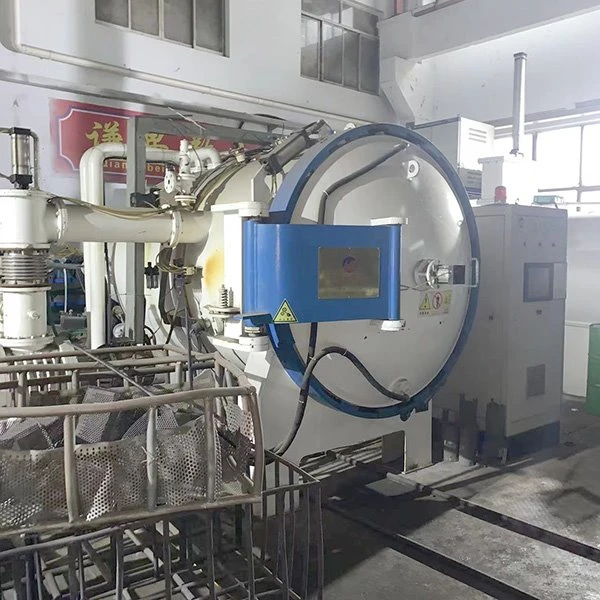
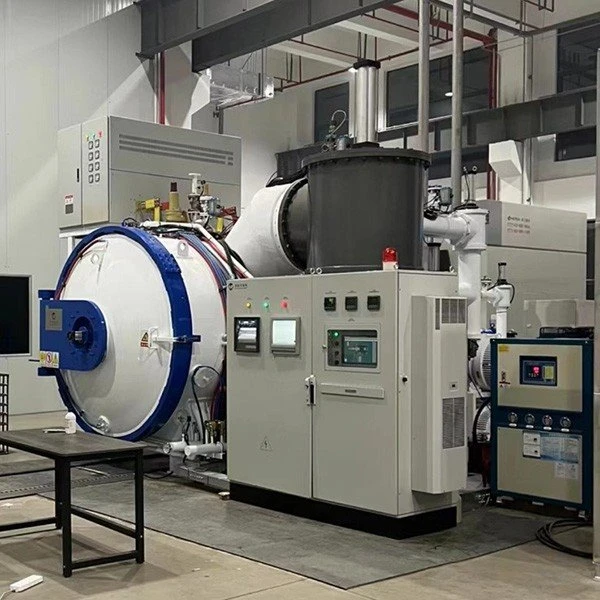
Vacuum annealing furnaces are used when a clean and oxygen - free environment is required for the annealing process. In a vacuum environment, heat transfer occurs mainly through radiation, which can affect the heating rate. The heating rate in vacuum annealing furnaces may be slower compared to furnaces with a gas atmosphere. Special considerations need to be taken into account when adjusting the heating rate in vacuum furnaces, such as the outgassing of the workpieces and the potential for thermal stress in the absence of gas convection.
Low Temperature Annealing Furnace
Low - temperature annealing furnaces operate at temperatures below 500°C. These furnaces are commonly used for stress relief annealing of various materials. The heating rate in low - temperature annealing furnaces is usually relatively slow to ensure uniform stress relief. The design of low - temperature annealing furnaces focuses on energy efficiency and precise temperature control.
Medium Temperature Annealing Furnace
Medium - temperature annealing furnaces operate in the temperature range of 500 - 1000°C. They are suitable for a wide range of annealing processes, including recrystallization annealing of many metals. The heating rate in medium - temperature annealing furnaces can be adjusted according to the specific requirements of the material and the annealing process.
Gas Protection Annealing Furnace
Gas protection annealing furnaces use a protective gas atmosphere, such as nitrogen or argon, to prevent oxidation of the workpieces during the annealing process. The gas atmosphere can affect the heat transfer and, consequently, the heating rate. By adjusting the flow rate and composition of the protective gas, the heating rate can be optimized.
Conclusion and Call to Action
Understanding the heating rate in an annealing furnace and how to adjust it is crucial for achieving high - quality annealing results. As an annealing furnace supplier, we are committed to providing our customers with state - of - the - art annealing furnaces and comprehensive technical support. Whether you are dealing with high - temperature, vacuum, low - temperature, medium - temperature, or gas - protected annealing processes, we have the right solutions for you.
If you are in the market for an annealing furnace or need further advice on adjusting the heating rate, please do not hesitate to contact us. Our team of experts is ready to assist you in selecting the most suitable furnace for your specific needs and ensuring that you get the best performance from your annealing process.
References
- "Heat Treating Principles and Processes" by George E. Totten and David Scott MacKenzie
- "Metallurgy for the Non - Metallurgist" by John R. Davis
- Technical manuals and specifications from leading annealing furnace manufacturers.