

What are the environmental impacts of a tempering furnace?
Aug 27, 2026
Hey there! As a supplier of tempering furnaces, I've been getting a lot of questions lately about the environmental impacts of these machines. So, I thought I'd take a few minutes to break it down and give you a better understanding of what's going on.
First off, let's talk about what a tempering furnace does. A tempering furnace is a type of industrial oven that's used to heat treat metals, usually after they've been quenched. The heat treatment process helps to improve the metal's hardness, strength, and ductility. Tempering furnaces come in different types, including Roller Bottom Tempering Furnace, Mesh Belt Tempering Furnace, Pit Type Tempering Furnace, Push Rod Tempering Furnace, and Full Fiber Tempering Furnace.
Now, let's get into the environmental impacts. One of the biggest concerns with tempering furnaces is energy consumption. These furnaces need a lot of energy to reach and maintain the high temperatures required for the tempering process. Most tempering furnaces run on natural gas or electricity, and the energy used can have a significant impact on the environment.
When it comes to natural gas, the combustion process releases carbon dioxide (CO2) and other greenhouse gases into the atmosphere. CO2 is a major contributor to global warming, and the more natural gas we burn, the more CO2 we're putting into the air. Electricity-powered furnaces aren't off the hook either. Unless the electricity is generated from renewable sources like solar, wind, or hydro, the production of electricity often involves burning fossil fuels, which also releases greenhouse gases.
Another environmental impact is air pollution. In addition to CO2, the combustion of natural gas can release other pollutants such as nitrogen oxides (NOx) and particulate matter. NOx can react with other chemicals in the atmosphere to form smog and acid rain, which can harm human health, damage crops, and corrode buildings. Particulate matter, on the other hand, can cause respiratory problems when inhaled.
Water usage is also a consideration. Some tempering furnaces use water for cooling purposes. If the water isn't properly treated and recycled, it can lead to water pollution. The cooling water may pick up contaminants from the furnace, such as metals and chemicals, and if this water is released into the environment without treatment, it can harm aquatic life and contaminate water sources.
However, it's not all bad news. At [your company information would go here], we're constantly working on ways to reduce the environmental impact of our tempering furnaces. For example, we've been investing in research and development to improve the energy efficiency of our furnaces. By using better insulation materials and more advanced heating systems, we can reduce the amount of energy needed to operate the furnaces.
We're also exploring the use of renewable energy sources to power our furnaces. Some of our customers are already using solar panels to generate electricity for their tempering furnaces, which is a great way to reduce their carbon footprint.
In terms of air pollution, we're working on developing technologies to reduce the emissions of NOx and particulate matter. For example, we're using low-NOx burners in our natural gas furnaces, which can significantly reduce the amount of NOx released during combustion.
And when it comes to water usage, we're promoting the use of closed-loop cooling systems. These systems recycle the cooling water, reducing the amount of water needed and minimizing the risk of water pollution.
If you're in the market for a tempering furnace, it's important to consider the environmental impact. But don't worry, you don't have to sacrifice performance for sustainability. Our tempering furnaces are designed to be both efficient and environmentally friendly.
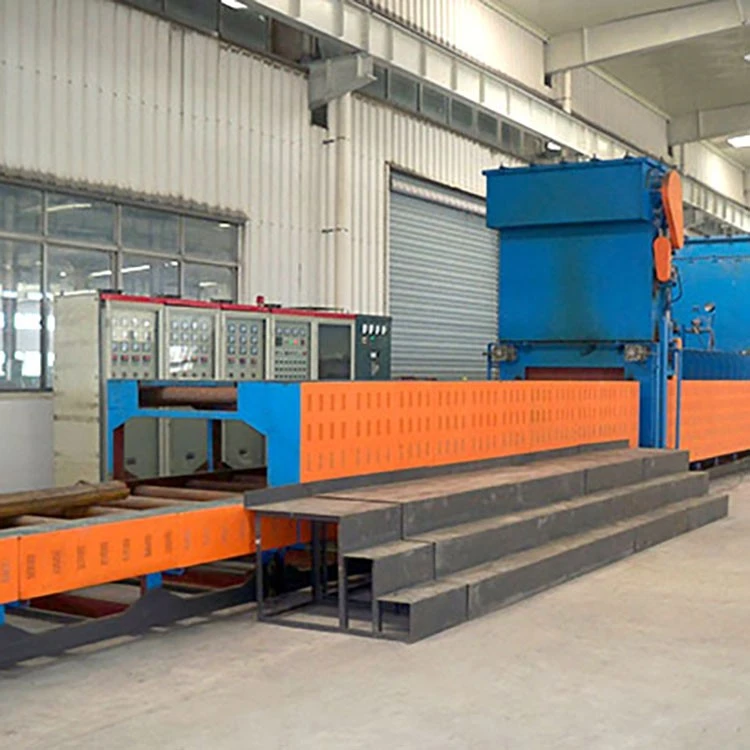

So, whether you need a Roller Bottom Tempering Furnace, a Mesh Belt Tempering Furnace, a Pit Type Tempering Furnace, a Push Rod Tempering Furnace, or a Full Fiber Tempering Furnace, we've got you covered. We'd love to chat with you about your specific needs and how we can help you find a furnace that's right for your business and the environment. If you're interested in learning more or starting a purchase negotiation, just reach out to us.
References:
Author, A. (Year). Title of article. Journal Name, Volume(Issue), Page numbers.
Author, B., & Author, C. (Year). Book title. Publisher.