

What are the quality standards for a well furnace?
Oct 27, 2026
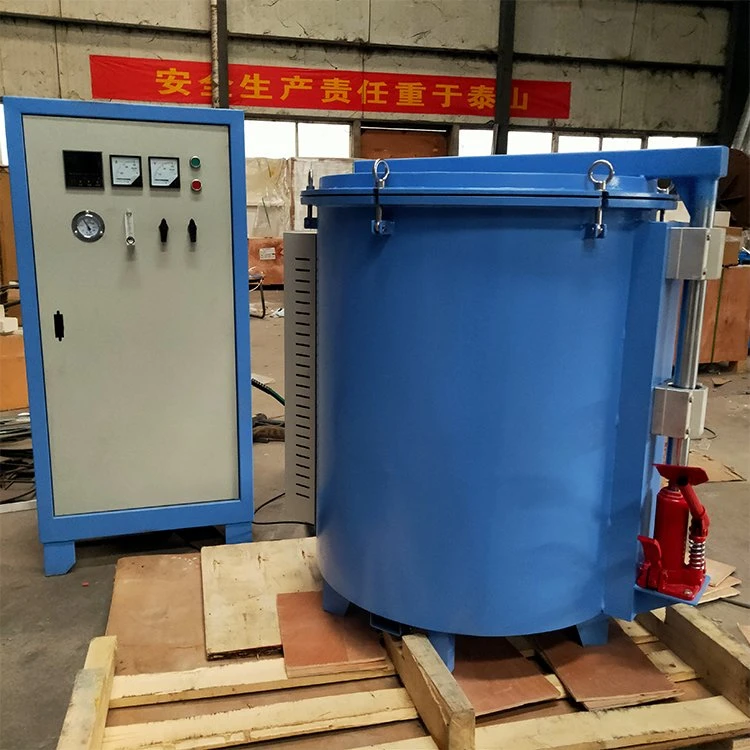
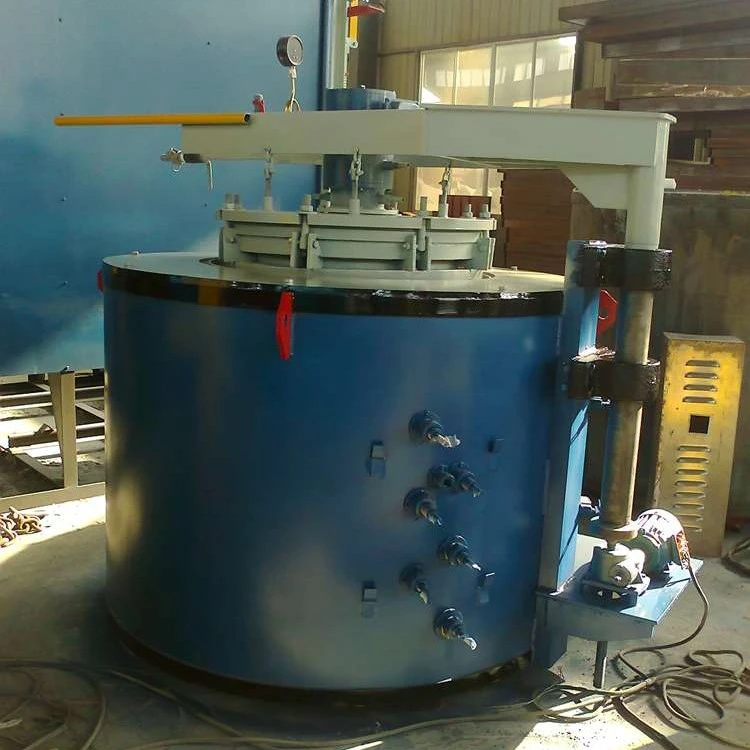
Hey there! As a well furnace supplier, I've been in the industry for quite a while, and I often get asked about what makes a well furnace top - notch. So, I thought I'd share some insights on the quality standards for a well furnace.
Temperature Uniformity
One of the most crucial quality standards for a well furnace is temperature uniformity. You see, in many industrial processes, the materials being treated in the well furnace need to be exposed to a consistent temperature throughout. If the temperature varies too much within the furnace, it can lead to inconsistent results. For example, in heat - treating processes, uneven temperatures can cause some parts of the material to be over - or under - treated, affecting the material's strength, hardness, and other properties.
A high - quality well furnace should be able to maintain a temperature variation within a very narrow range. Usually, for most industrial applications, a well furnace is considered good if it can keep the temperature variation within ±5°C or even less in some high - precision processes. To achieve this, advanced furnace design is required. This includes proper insulation to prevent heat loss, well - designed heating elements that distribute heat evenly, and efficient circulation systems, like fans or pumps, to ensure hot air or other heating media are circulated uniformly.
Heating Rate
Another important factor is the heating rate. The heating rate refers to how quickly the furnace can raise the temperature inside. Different industrial processes have different requirements for heating rates. Some processes may need a slow and steady heating rate to avoid thermal shock to the materials. For instance, when treating large or complex - shaped materials, a rapid heating rate can cause internal stresses, which might lead to cracking or deformation.
On the other hand, some processes may require a fast heating rate to increase productivity. A well - made well furnace should be able to be adjusted to meet different heating rate requirements. This often depends on the power of the heating elements and the control system of the furnace. A modern well furnace is usually equipped with a sophisticated control panel that allows operators to set the desired heating rate accurately.
Durability and Reliability
Durability and reliability are key quality indicators. A well furnace is a significant investment for any industrial enterprise, and it needs to last a long time. The materials used in the construction of the furnace play a big role in its durability. For example, the lining of the furnace should be made of high - quality refractory materials that can withstand high temperatures, corrosion, and abrasion.
Reliability is also about the furnace's ability to operate continuously without frequent breakdowns. A reliable well furnace has a stable electrical system, well - maintained mechanical components, and a good control system. Regular maintenance is essential, but a high - quality furnace should have a long service life between major overhauls.
Safety Features
Safety is non - negotiable when it comes to well furnaces. There are several safety features that a well - built well furnace should have. Firstly, it should have over - temperature protection. This means that if the temperature inside the furnace exceeds a pre - set limit, the heating system will automatically shut down to prevent any potential fire or damage to the materials.
There should also be proper ventilation systems to remove any harmful gases or fumes generated during the heating process. Carbon monoxide detectors can be installed to ensure the safety of the operators. Additionally, safety interlocks can be added to prevent the furnace from operating if the doors are not properly closed or if other safety conditions are not met.
Energy Efficiency
In today's world, energy efficiency is a major concern. A high - quality well furnace should be designed to use energy as efficiently as possible. This can be achieved through good insulation, which reduces heat loss. The heating elements should also be selected and configured in a way that maximizes energy conversion.
For example, some well furnaces use advanced heating technologies like induction heating, which can be more energy - efficient compared to traditional resistance heating methods. Energy - efficient furnaces not only save money on energy bills but also have a lower environmental impact.
Types of Well Furnaces and Their Specific Requirements
Now, let's take a look at different types of well furnaces and their specific quality standards:
Well - type Aging Furnace
A Well - type Aging Furnace is used for aging treatment of metals. It requires precise temperature control and long - term stability. Since aging treatment usually takes a long time, the furnace should be able to maintain a constant temperature for hours or even days. The temperature uniformity is especially critical in this type of furnace to ensure consistent aging results across the entire batch of materials.
Vacuum Well Furnace
The Vacuum Well Furnace operates in a vacuum environment. One of the key quality standards for this type of furnace is its ability to maintain a high - level vacuum. Any leakage in the vacuum system can affect the quality of the heat - treating process, as it may introduce impurities or cause oxidation of the materials. The furnace should also have a good heating system that can work efficiently in a vacuum environment.
Well - type Quenching Furnace
A Well - type Quenching Furnace is designed for quenching processes. It needs to have a fast heating rate to quickly heat the materials to the appropriate quenching temperature. After heating, the quenching process should be carried out smoothly, which means the furnace should have a well - designed quenching system that can cool the materials at a controlled rate.
All - fiber Lined Well Furnace
The All - fiber Lined Well Furnace uses fiber materials for lining. This type of furnace needs to have a good fiber lining installation. The fibers should be tightly packed to ensure good insulation and prevent heat loss. The fiber lining should also be able to withstand thermal cycling without significant degradation.
Ordinary Well Furnace
The Ordinary Well Furnace is a more general - purpose well furnace. While it may not have the same high - end requirements as some of the specialized furnaces, it still needs to meet basic quality standards such as temperature uniformity, heating rate control, and durability.
Conclusion
So, there you have it - the main quality standards for a well furnace. Whether you're in the heat - treating industry, metalworking, or any other field that uses well furnaces, these standards will help you evaluate the quality of the furnace you're considering.
If you're in the market for a well furnace and want to discuss your specific needs, feel free to reach out. We're here to help you find the perfect well furnace that meets all the quality standards and fits your industrial processes.
References
- Industrial Furnace Handbook: Principles, Designs, and Operations.
- Heat Treatment: Principles and Techniques.