

What is the impact of annealing on the wear resistance of metals in an annealing furnace?
Oct 26, 2026
Hey there! I'm a supplier of annealing furnaces, and today I wanna talk about the impact of annealing on the wear resistance of metals in an annealing furnace. It's a topic that's super important for all you folks in the metal - working industry, so let's dive right in!
First off, let's make sure we're all on the same page about what annealing is. Annealing is a heat - treating process where metals are heated to a specific temperature, held there for a while, and then cooled at a controlled rate. This process is carried out in an annealing furnace, and it can significantly change the microstructure of the metal. Depending on the type of annealing, the furnace has different features and functions. For instance, a Fuel Annealing Furnace uses fuel to generate heat, which is a cost - effective option for large - scale operations.
Now, wear resistance. This is a crucial property for metals in a lot of applications. Whether it's in machinery parts, tools, or automotive components, metals need to be able to resist wear and tear over time. When a metal is worn, it loses its dimensional accuracy, and its performance can decline rapidly. So, how does annealing affect wear resistance?
One of the main ways annealing impacts wear resistance is by reducing internal stresses in the metal. During machining, forging, or other manufacturing processes, metals can develop internal stresses. These stresses can lead to cracks and other forms of damage, which in turn increase wear. When we anneal the metal in an annealing furnace, the heat helps to relax these internal stresses. A Vacuum Annealing Furnace is great for this because it can create an oxygen - free environment, preventing oxidation while relieving internal stresses. As the stresses are reduced, the metal becomes more ductile and less likely to crack under the forces of wear. This means that the metal can withstand more contact and friction before showing signs of significant wear.
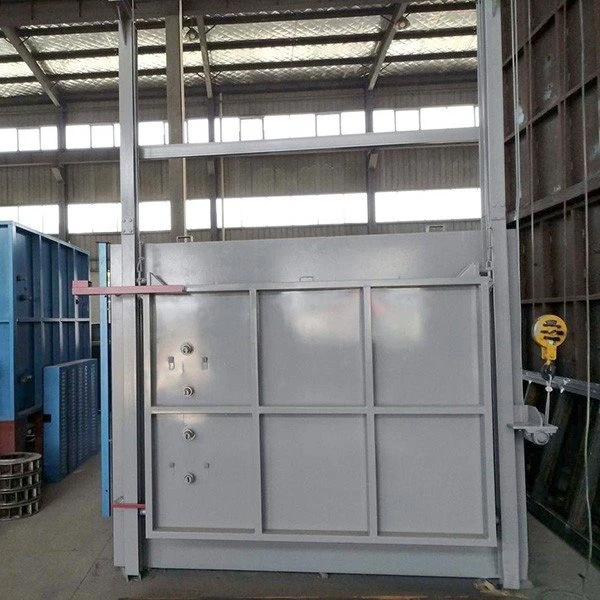
Another aspect is the change in the metal's microstructure. Annealing can alter the grain size of the metal. In general, a finer grain size can improve wear resistance. When we use a Box Type Annealing Furnace, we can precisely control the heating and cooling parameters. This allows us to fine - tune the grain structure of the metal. Smaller grains provide more boundaries, which can act as barriers to the movement of dislocations in the metal. Dislocations are one of the main causes of plastic deformation, and by restricting their movement, we can enhance the metal's hardness and wear resistance.
However, it's not always a straightforward relationship. The type of annealing also matters a lot. For example, in low - temperature annealing carried out in a Low Temperature Annealing Furnace, the main goal is often to relieve internal stresses without significantly changing the hardness of the metal. This can be beneficial in some cases where we want to maintain a certain level of ductility while still improving wear resistance due to stress relief.
On the other hand, high - temperature annealing can transform the metal's structure more dramatically. It can lead to the formation of new phases in the metal, which can either increase or decrease wear resistance depending on the specific metal and the application. For instance, in some steels, high - temperature annealing can form carbide phases, which are very hard and can improve wear resistance. But if the process is not well - controlled, it can also lead to grain growth, which might decrease wear resistance.
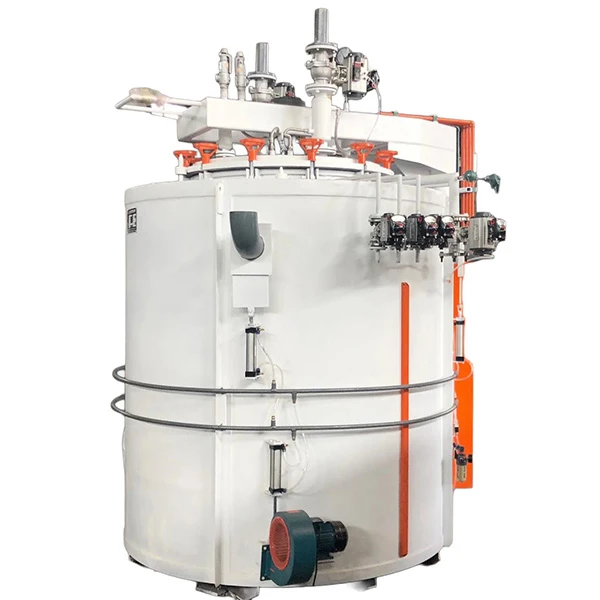
A Gas Protection Annealing Furnace is also interesting in this context. It uses protective gases to prevent oxidation and other surface reactions during annealing. This is important because a clean and unoxidized surface can have better wear - resistant properties. The protective gas can also influence the chemical composition of the metal surface during annealing, potentially enhancing its hardness and wear resistance.
Now, I know what you're thinking. How to choose the right annealing process and furnace for your metal to optimize wear resistance? Well, it depends on several factors. The type of metal is the most obvious one. Different metals have different responses to annealing. For example, titanium and aluminum have very different microstructural changes during annealing compared to steel. The shape and size of the metal part also matter. Large parts might require a different annealing rate and furnace size than small, intricate parts.
The application of the metal is also crucial. If the metal is going to be used in a high - stress, high - wear environment like a mining drill bit, you'll need a more aggressive annealing process to maximize wear resistance. But if it's for a decorative or low - stress component, you might focus more on stress relief and maintaining the metal's appearance.
As a supplier of annealing furnaces, I'm here to help you make the right choice. We have a wide range of annealing furnaces, each designed to meet different needs and budgets. Whether you need a fuel - based furnace for large - volume production or a vacuum furnace for high - precision applications, we've got you covered.
If you're in the process of looking for an annealing furnace to improve the wear resistance of your metals, don't hesitate to reach out. We can provide you with detailed information on the features and performance of each furnace type, and help you figure out which one is the best fit for your specific requirements.
In conclusion, annealing in an appropriate annealing furnace can have a profound impact on the wear resistance of metals. By reducing internal stresses, altering the microstructure, and protecting the metal surface, we can enhance the durability and performance of metal parts. If you're looking to take your metal - working processes to the next level, it might be time to invest in the right annealing furnace.
References
Doe, J. (2018). "Advanced Heat Treating of Metals". Publisher XYZ.
Smith, A. (2020). "Microstructural Changes in Metals during Annealing". Journal of Metallurgy, 15(2), 123 - 135.
Johnson, B. (2019). "Wear Resistance of Annealed Metals in Industrial Applications". Industrial Metal Review, 22(3), 78 - 89.