

How to transport an electric furnace safely?
Aug 20, 2026
Transporting an electric furnace safely is a critical task that requires careful planning, proper equipment, and strict adherence to safety protocols. As an electric furnace supplier, I understand the importance of ensuring that these valuable and often delicate pieces of equipment reach their destination in perfect condition. In this blog post, I will share some essential tips and guidelines on how to transport an electric furnace safely.
Pre - Transport Preparation
Inspection and Maintenance
Before transporting an electric furnace, a thorough inspection is necessary. Check for any signs of damage, loose parts, or malfunction. This includes examining the heating elements, control panels, and insulation. If any issues are found, they should be repaired immediately. For example, if the heating elements are damaged, they can cause short - circuits during transportation, which is extremely dangerous.
It's also important to perform routine maintenance. Lubricate moving parts, tighten any loose bolts, and clean the interior and exterior of the furnace. This not only ensures the furnace is in good working condition but also reduces the risk of damage during transit.
Dismantling (if necessary)
Some electric furnaces may be too large or bulky to transport in one piece. In such cases, it may be necessary to dismantle the furnace into smaller, more manageable parts. However, this should be done with great care. Keep detailed records of how the furnace was taken apart, including the order of removal and the location of each part. Label all parts clearly to avoid confusion during reassembly.
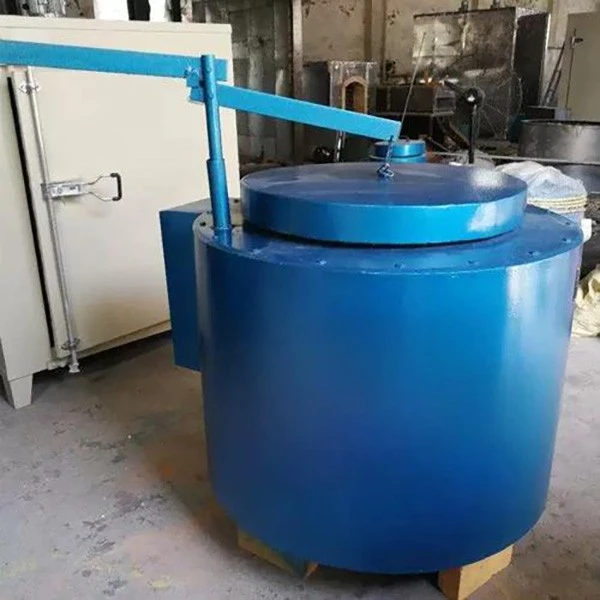
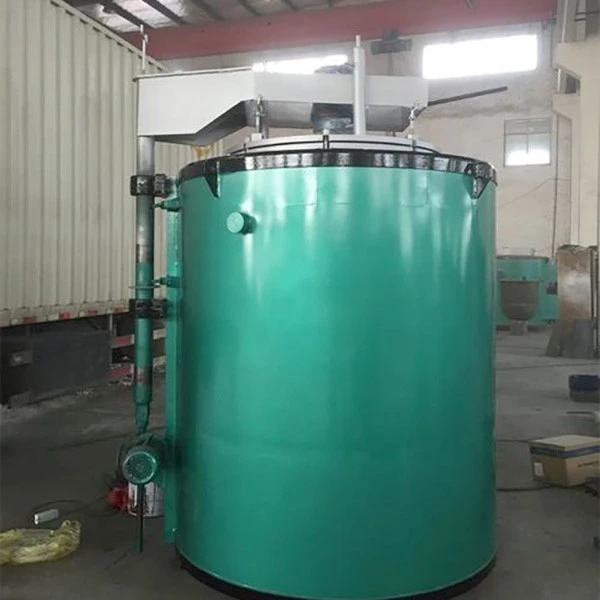
For instance, if you are dealing with a Well - type Resistance Furnace, which often has a deep well structure, you may need to remove the heating elements and control systems separately.
Packaging
Proper packaging is crucial for protecting the electric furnace during transportation. Use high - quality packing materials such as foam, bubble wrap, and wooden crates. The foam and bubble wrap can absorb shocks and vibrations, while the wooden crate provides a sturdy outer layer.
For the control panels and electronic components, use anti - static packaging to prevent electrostatic damage. Place the furnace or its parts in the crate and fill any empty spaces with packing materials to prevent movement.
Choosing the Right Transportation Method
Truck Transport
Truck transport is a common method for moving electric furnaces. When choosing a truck, consider the size and weight of the furnace. The truck should have a flatbed or a specialized trailer that can accommodate the furnace securely.
Ensure that the truck has proper suspension and shock - absorbing systems to minimize vibrations during transit. The driver should also be experienced in transporting heavy and delicate equipment.
Container Shipping
If the furnace needs to be transported over long distances or overseas, container shipping may be a better option. Select a container that is the right size for the furnace and its packaging. Make sure the container is in good condition and has no signs of damage.
Secure the furnace inside the container using straps or braces to prevent it from shifting during the journey. Container shipping provides an additional layer of protection against the elements and rough handling.
Loading and Securing the Furnace
Loading
When loading the electric furnace onto the transport vehicle, use appropriate lifting equipment such as cranes or forklifts. The operators of these machines should be trained and certified.
Ensure that the furnace is lifted evenly to avoid putting stress on one side. Place the furnace on the vehicle gently and in the correct position.
Securing
Once the furnace is on the vehicle, it must be secured properly. Use heavy - duty straps, chains, or braces to hold the furnace in place. The straps should be tightened enough to prevent movement but not so tight that they damage the furnace.
Check the security of the straps regularly during the journey, especially after long stops or rough road sections.
During Transport
Monitoring
It's important to monitor the furnace during transport. If possible, use tracking devices to keep an eye on the location and condition of the furnace. Some advanced tracking systems can also detect vibrations, temperature, and humidity.
If the transport is a long - distance one, arrange for regular check - ins with the driver. The driver should report any issues such as rough roads, bad weather, or potential problems with the load.
Weather Considerations
Weather can have a significant impact on the transportation of an electric furnace. If it's raining or snowing, take extra precautions to protect the furnace from moisture. Cover the furnace with waterproof tarps and ensure that the container or truck is sealed properly.
In extreme heat or cold, consider using climate - controlled transport to maintain a stable temperature inside the container or truck.
Unloading and Reassembly
Unloading
Unloading the electric furnace should be done with the same care as loading. Use the appropriate lifting equipment and follow the safety procedures. Lower the furnace gently to the ground or the installation site.
Reassembly
If the furnace was dismantled, reassemble it according to the records and labels. Check all connections and make sure everything is properly installed. Test the furnace to ensure it is working correctly.
Conclusion
Transporting an electric furnace safely is a multi - step process that requires attention to detail at every stage. From pre - transport preparation to unloading and reassembly, each step plays a crucial role in ensuring the furnace arrives at its destination in good condition.
If you are in the market for an electric furnace, whether it's a Vacuum Quenching Furnace, Vacuum Melting Furnace, Trolley Resistance Furnace, or Crucible Resistance Furnace, we can provide high - quality products and also offer professional advice on safe transportation. Feel free to contact us to discuss your requirements and start the procurement process.
References
- "Industrial Furnace Handbook" by Helmut Knoche
- "Transportation Safety Guidelines for Heavy Equipment" by the Department of Transportation