

What is the service life of a car - bottom forging furnace?
Jul 14, 2026
The service life of a car-bottom forging furnace is a crucial concern for manufacturers and suppliers in the forging industry. As a supplier of car-bottom forging furnaces, I understand the significance of this aspect in ensuring efficient and cost-effective operations for our customers. In this blog, I will delve into the factors influencing the service life of a car-bottom forging furnace and provide insights on how to extend it.
Understanding the Car-Bottom Forging Furnace
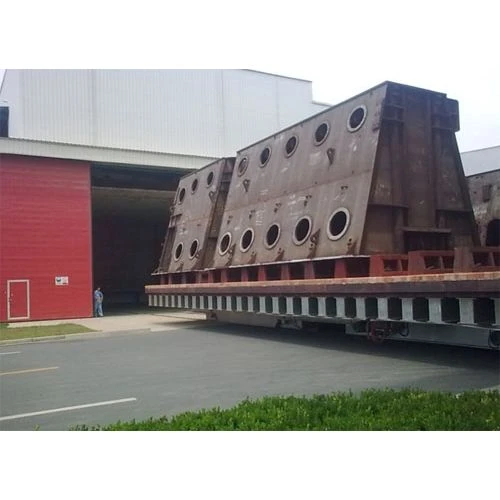
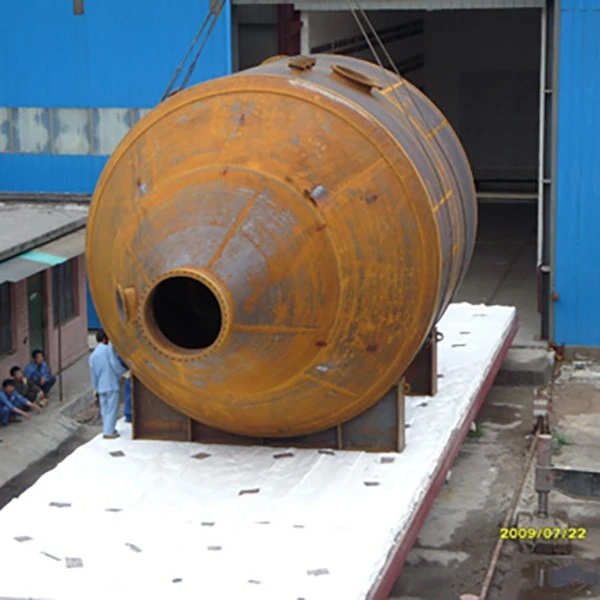
A car-bottom forging furnace is a specialized piece of equipment used in the metal forging process. It features a movable hearth, or "car," that can be rolled in and out of the furnace, allowing for easy loading and unloading of large workpieces. These furnaces are commonly used in industries such as automotive, aerospace, and machinery manufacturing to heat metal billets to the appropriate temperature for forging.
There are several types of car-bottom forging furnaces available, each with its own unique features and applications. For example, the Trolley Type Heating Furnace is designed for general heating applications, while the Electric Door Trolley Furnace offers enhanced safety and convenience with its electric door mechanism. The Trolley Type Tempering Furnace is specifically used for the tempering process, which improves the toughness and ductility of the forged metal.
Factors Affecting the Service Life of a Car-Bottom Forging Furnace
The service life of a car-bottom forging furnace can vary depending on several factors, including:
- Quality of Materials and Construction: The quality of the materials used in the construction of the furnace and the expertise of the manufacturer play a significant role in determining its service life. High-quality refractory materials, such as ceramic fiber and firebrick, are essential for providing excellent insulation and resistance to heat and wear. Additionally, proper construction techniques and strict quality control measures ensure the durability and reliability of the furnace.
- Operating Conditions: The operating conditions of the furnace, including temperature, pressure, and the type of fuel used, can have a significant impact on its service life. Excessive temperatures or pressure can cause thermal stress and damage to the furnace components, while the use of low-quality fuel can result in the formation of harmful byproducts that can corrode the furnace lining.
- Maintenance and Care: Regular maintenance and care are essential for extending the service life of a car-bottom forging furnace. This includes cleaning and inspecting the furnace components, checking for any signs of wear or damage, and replacing any worn or damaged parts in a timely manner. Additionally, proper lubrication of the moving parts and regular calibration of the temperature and pressure sensors are necessary to ensure the efficient and safe operation of the furnace.
- Frequency of Use: The frequency of use of the furnace also affects its service life. Furnaces that are used continuously or for extended periods of time are more likely to experience wear and tear and may require more frequent maintenance and repairs.
Extending the Service Life of a Car-Bottom Forging Furnace
To extend the service life of a car-bottom forging furnace, it is important to take the following steps:
- Choose a High-Quality Furnace: When purchasing a car-bottom forging furnace, it is important to choose a reputable supplier that uses high-quality materials and construction techniques. Look for a furnace that is designed to meet your specific requirements and has a proven track record of reliability and performance.
- Follow the Manufacturer's Recommendations: The manufacturer's recommendations for operating, maintaining, and servicing the furnace should be followed carefully. This includes using the correct type of fuel, maintaining the proper temperature and pressure, and performing regular maintenance and inspections.
- Implement a Preventive Maintenance Program: A preventive maintenance program can help to identify and address potential problems before they become major issues. This includes regular cleaning and inspection of the furnace components, lubrication of the moving parts, and calibration of the temperature and pressure sensors.
- Train Your Operators: Proper training of your operators is essential for ensuring the safe and efficient operation of the furnace. Operators should be familiar with the furnace's operating procedures, safety features, and maintenance requirements.
- Monitor and Control the Operating Conditions: Regular monitoring and control of the operating conditions of the furnace, including temperature, pressure, and fuel consumption, can help to identify any potential problems and ensure the efficient and safe operation of the furnace.
Conclusion
The service life of a car-bottom forging furnace is influenced by several factors, including the quality of materials and construction, operating conditions, maintenance and care, and frequency of use. By choosing a high-quality furnace, following the manufacturer's recommendations, implementing a preventive maintenance program, training your operators, and monitoring and controlling the operating conditions, you can extend the service life of your furnace and ensure its efficient and cost-effective operation.
If you are in the market for a car-bottom forging furnace or have any questions about extending the service life of your existing furnace, please do not hesitate to contact us. Our team of experts is available to provide you with the information and support you need to make an informed decision. We look forward to discussing your requirements and helping you find the perfect solution for your forging needs.
References
- ASM Handbook, Volume 4: Heat Treating, ASM International, 1991.
- Industrial Furnaces and Heat Treating Equipment, John Wiley & Sons, 2007.
- Refractory Materials: Properties, Selection, and Applications, CRC Press, 2010.