

How does a hood furnace compare in terms of cost with other furnaces?
Jul 15, 2026
When it comes to industrial heating solutions, furnaces play a crucial role. Among the various types of furnaces available in the market, hood furnaces stand out for their unique design and functionality. As a hood furnace supplier, I often get asked about how hood furnaces compare in terms of cost with other furnaces. In this blog post, I will delve into this topic and provide a comprehensive analysis of the cost factors associated with hood furnaces and their counterparts.
Initial Purchase Cost
The initial purchase cost is one of the primary considerations when comparing different types of furnaces. Hood furnaces come in various configurations, such as Oil-fired Hood Furnace, Movable Hood Furnace, and Full Fiber Lined Hood Furnace. The cost of a hood furnace can vary depending on its size, capacity, features, and the materials used in its construction.
Compared to some traditional furnaces, hood furnaces may have a slightly higher initial purchase cost. This is because they are often designed with advanced features and technologies to provide better performance and energy efficiency. For example, full fiber lined hood furnaces use high - quality insulation materials, which can increase the upfront cost but offer significant long - term benefits.
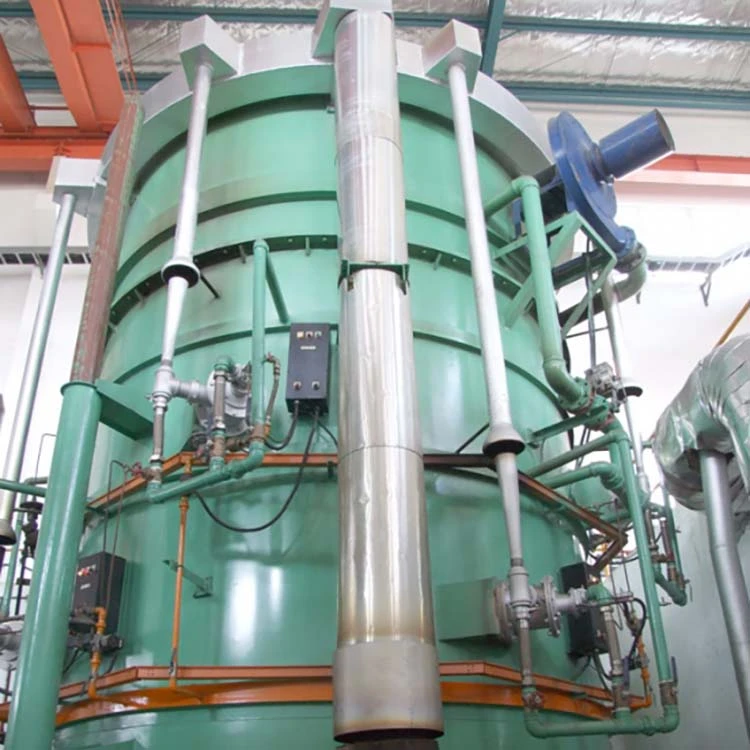
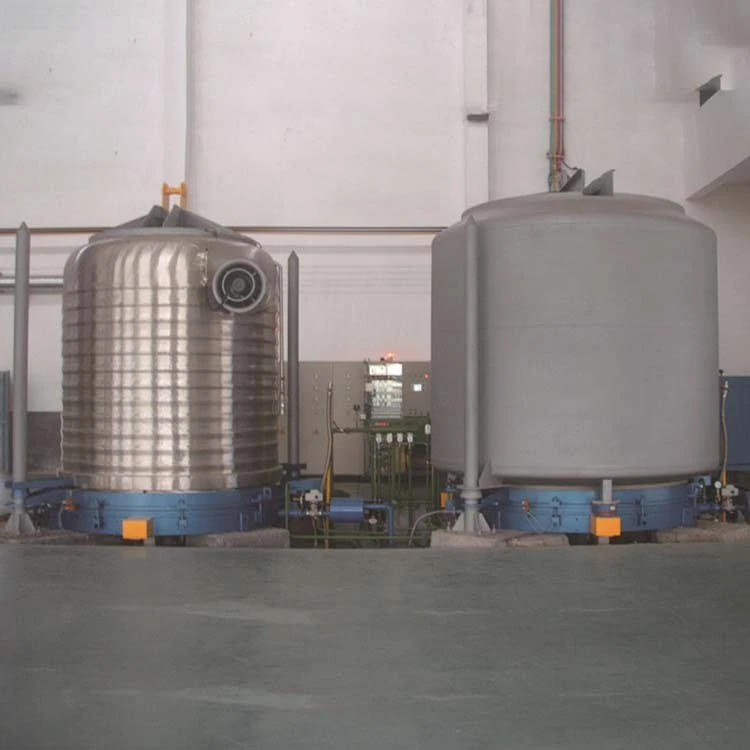
On the other hand, basic furnaces like some simple batch furnaces may have a lower initial price tag. However, these basic furnaces may lack the flexibility and performance capabilities of hood furnaces. For instance, a movable hood furnace can be easily repositioned, which is a valuable feature for industries with changing production requirements.
Operating Costs
Operating costs are another critical aspect of the cost comparison. These costs mainly include energy consumption, maintenance, and labor.
Energy Consumption
Hood furnaces are generally designed to be energy - efficient. The advanced insulation materials used in many hood furnaces, such as those in full fiber lined hood furnaces, help to reduce heat loss. This means that less energy is required to maintain the desired temperature inside the furnace.
In contrast, some other furnaces may have poor insulation, leading to higher energy consumption. For example, older style furnaces with traditional brick linings may lose a significant amount of heat through the walls, resulting in increased energy bills.
The type of fuel used also affects energy costs. Oil - fired hood furnaces offer a reliable heating source, but the cost of oil can fluctuate. However, compared to some other fuel - based furnaces, oil - fired hood furnaces can be more efficient in converting fuel to heat.
Maintenance
Maintenance costs are an important part of the overall cost of operating a furnace. Hood furnaces are typically designed for easy access and maintenance. The modular design of many hood furnaces allows for quick replacement of components, reducing downtime and maintenance costs.
Some other furnaces may have complex internal structures, making maintenance more difficult and time - consuming. This can lead to higher labor costs for maintenance and potentially longer periods of furnace inactivity, which can impact production.
Labor
The labor required to operate a furnace is also a cost factor. Hood furnaces are often automated to a large extent, which means that less labor is needed for day - to - day operation. For example, movable hood furnaces can be programmed to perform specific tasks, reducing the need for constant manual intervention.
In contrast, some traditional furnaces may require more manual labor for tasks such as loading and unloading materials, temperature control, and furnace operation. This can increase labor costs over time.
Long - Term Cost and Return on Investment
When considering the long - term cost, it is important to look at the return on investment (ROI). Although hood furnaces may have a higher initial purchase cost, their energy efficiency, lower maintenance costs, and reduced labor requirements can result in significant savings over the life of the furnace.
For example, a full fiber lined hood furnace may cost more upfront, but its energy - saving capabilities can lead to lower energy bills over several years. Additionally, the reduced maintenance costs and longer lifespan of the furnace can contribute to a higher ROI.
Some other furnaces may seem cheaper initially, but their high operating costs and shorter lifespan can make them more expensive in the long run.
Case Studies
To illustrate the cost comparison more clearly, let's look at some case studies. A company in the metalworking industry was considering two options: a traditional batch furnace and a movable hood furnace. The traditional batch furnace had a lower initial purchase cost, but its energy consumption was 30% higher than the movable hood furnace. Over a five - year period, the energy savings from the movable hood furnace more than offset the higher initial purchase cost.
Another case involved a heat - treating facility. They compared an oil - fired hood furnace with a gas - fired conventional furnace. The oil - fired hood furnace had a slightly higher initial cost, but its better insulation and more efficient combustion process led to lower energy costs. In addition, the maintenance of the oil - fired hood furnace was easier and less costly, resulting in overall savings.
Conclusion
In conclusion, while hood furnaces may have a higher initial purchase cost compared to some other furnaces, their lower operating costs, energy efficiency, and long - term savings make them a cost - effective option in the long run. The advanced features and technologies of hood furnaces, such as those found in Oil-fired Hood Furnace, Movable Hood Furnace, and Full Fiber Lined Hood Furnace, contribute to their superior performance and cost - effectiveness.
If you are in the market for a new furnace and want to learn more about how hood furnaces can meet your cost and performance requirements, I encourage you to contact us for a detailed discussion. We can provide you with customized solutions based on your specific needs and help you make an informed decision.
References
- "Industrial Furnace Handbook: Technology and Fundamentals", by William L. Lathrop.
- "Energy - Efficient Furnace Design and Operation", published by the American Society of Mechanical Engineers.