

What fuel does a well furnace use?
Oct 30, 2026
One of the most common questions we receive as a well furnace supplier is about the types of fuel these furnaces can use. Well furnaces, which come in various forms such as Well Normalizing Furnace, Vacuum Well Furnace, Well-type Quenching Furnace, Pit Type Annealing Furnace, and Ordinary Well Furnace, rely on different fuels depending on their design, intended application, and user preferences. In this blog, we'll take an in - depth look at the common fuels used in well furnaces.
Natural Gas
Natural gas is one of the most popular fuels for well furnaces, and for good reasons. First and foremost, it is a relatively clean - burning fuel. When natural gas combusts, it releases fewer pollutants compared to some other fossil fuels. This makes it an environmentally friendly option, especially in regions with strict air - quality regulations.
From an economic perspective, natural gas is often cost - effective. The infrastructure for natural gas distribution is well - established in many areas, which means that the cost of supplying natural gas to a well furnace can be relatively low. Additionally, the price of natural gas has been relatively stable in recent years, providing some predictability for furnace operators in terms of operating costs.
In terms of performance, natural gas provides a consistent and controllable heat source. Well furnaces using natural gas can achieve high temperatures quickly and maintain them with a high degree of precision. This is crucial for processes such as heat treatment, where accurate temperature control is essential for achieving the desired material properties.
Propane
Propane is another viable fuel for well furnaces. It is a liquefied petroleum gas (LPG) that offers several advantages. One of the main benefits of propane is its portability. Unlike natural gas, which requires a pipeline connection, propane can be stored in tanks on - site. This makes it an ideal choice for locations where natural gas is not available or for mobile well furnace applications.
Propane also has a high energy density. A relatively small amount of propane can produce a large amount of heat, which means that well furnaces can operate efficiently with a smaller fuel supply. This is particularly useful in situations where space for fuel storage is limited.
However, there are also some considerations when using propane. Propane tanks need to be refilled regularly, and proper storage and handling are required to ensure safety. Additionally, the cost of propane can be more variable compared to natural gas, depending on market conditions.
Fuel Oil
Fuel oil has long been used as a fuel for industrial furnaces, including well furnaces. It is available in different grades, such as No. 2 fuel oil and No. 6 fuel oil. Fuel oil has a high energy content, which means it can generate a significant amount of heat.
One of the advantages of fuel oil is its reliability. In areas where there may be disruptions in the natural gas supply or where propane is not a practical option, fuel oil can provide a stable heat source. Well furnaces using fuel oil can be designed to operate continuously for long periods, making them suitable for high - volume production processes.
However, fuel oil has some drawbacks. It is a dirtier fuel compared to natural gas and propane, and its combustion releases more pollutants, including sulfur dioxide and particulate matter. This can lead to environmental concerns and may require additional pollution control equipment. Additionally, the cost of fuel oil can be relatively high, and storage of fuel oil requires proper facilities to prevent spills and ensure safety.
Electricity
In some well furnace applications, electricity is used as the energy source. Electric well furnaces offer several unique benefits. Firstly, they are extremely clean. Since there is no combustion involved, there are no emissions of pollutants such as carbon monoxide, sulfur dioxide, or particulate matter. This makes them a great option for applications where environmental impact is a major concern, such as in clean - room environments or in areas with strict air - quality regulations.
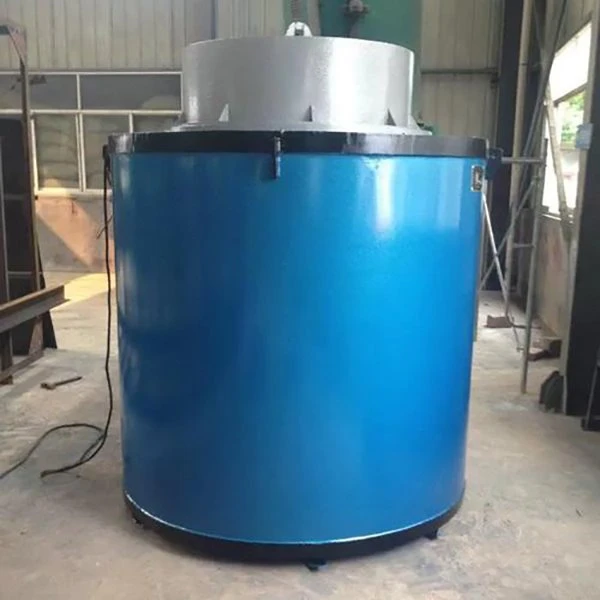
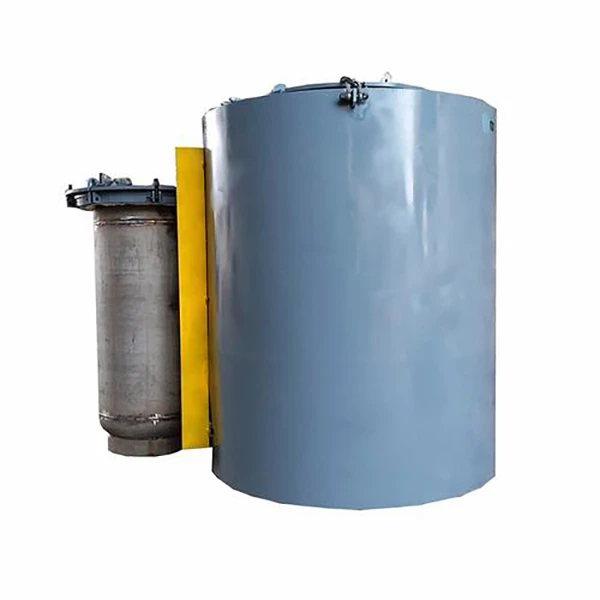
Electric well furnaces also provide precise temperature control. The electrical heating elements can be regulated easily to achieve and maintain very accurate temperatures. This is crucial for processes like annealing and tempering, where small temperature variations can have a significant impact on the quality of the final product.
However, the use of electricity also has its limitations. Electricity can be relatively expensive, especially in regions where the cost of power generation is high. Additionally, a reliable and sufficient electricity supply is required. In areas with frequent power outages, the operation of an electric well furnace may be disrupted.
Biomass
Biomass is an emerging fuel option for well furnaces. Biomass refers to organic materials such as wood chips, sawdust, agricultural waste, and dedicated energy crops. Using biomass in well furnaces has several environmental benefits. Biomass is a renewable energy source, and its combustion releases carbon dioxide that was recently absorbed from the atmosphere by the plants during their growth. This results in a net - zero or low - carbon emission cycle.
Biomass can also be a cost - effective option, especially in areas where there is an abundant supply of organic waste. By using biomass, furnace operators can reduce their dependence on fossil fuels and contribute to a more sustainable energy future.
However, using biomass in well furnaces also presents some challenges. Biomass fuels need to be properly processed and stored to ensure consistent combustion. They may also contain impurities such as ash and moisture, which can affect the performance of the furnace and require additional maintenance.
Choosing the Right Fuel
When selecting the fuel for a well furnace, several factors need to be considered. The first factor is the application of the furnace. For example, if the furnace is used for a process that requires very precise temperature control, such as heat - treating high - quality steel components, an electric or natural - gas - fired furnace may be the best choice. On the other hand, if the furnace is located in a remote area without access to natural gas or electricity, propane or fuel oil may be more suitable.
Cost is also a crucial factor. The cost of the fuel itself, as well as the cost of storage, transportation, and any associated pollution - control equipment, needs to be evaluated. In some cases, the initial investment in a furnace designed for a particular fuel may be higher, but the long - term operating costs can be lower.
Environmental regulations also play a significant role in fuel selection. Furnaces need to comply with local and national air - quality standards, and the choice of fuel can have a major impact on the furnace's emissions.
We understand that choosing the right fuel for your well furnace is a complex decision. As a well - established well furnace supplier, we have the expertise and experience to help you make an informed choice. Whether you need a Well Normalizing Furnace for large - scale steel production or a Vacuum Well Furnace for precision manufacturing, we can provide you with the right solution tailored to your specific needs.
If you are considering purchasing a well furnace or upgrading your existing one, we invite you to contact us to discuss your requirements. Our team of experts will be happy to provide you with detailed information about the different fuel options available and help you determine the most suitable well furnace for your application.
References
- Smith, J. (2020). Industrial Furnace Handbook: Principles, Designs, and Operations. Elsevier.
- Johnson, A. (2019). Energy Efficiency in Furnace Operations. Springer.
- Brown, C. (2021). Alternative Fuels for Industrial Processes. Wiley - Blackwell.