

What are the maintenance costs of a tempering furnace?
Oct 15, 2026
Hey there! As a supplier of tempering furnaces, I often get asked about the maintenance costs of these bad boys. It's a crucial question because understanding the maintenance expenses helps you plan your budget and keep your operations running smoothly. So, let's dive right in and break down what you can expect when it comes to maintaining a tempering furnace.
Types of Tempering Furnaces and Their Maintenance
First off, there are different types of tempering furnaces, and each has its own set of maintenance needs. We've got the Push Rod Tempering Furnace, Mesh Belt Tempering Furnace, Pit Type Tempering Furnace, Full Fiber Tempering Furnace, and Roller Bottom Tempering Furnace. Each one is designed for specific applications, and that affects the maintenance requirements.
Push Rod Tempering Furnace
The Push Rod Tempering Furnace uses a push rod system to move the workpieces through the furnace. Maintenance for this type of furnace often involves checking the push rod mechanism for wear and tear. Over time, the rods can get bent or damaged, especially if they're used frequently. Replacing a push rod can cost anywhere from a few hundred to a couple of thousand dollars, depending on the size and material of the rod. You also need to keep an eye on the seals around the furnace. If the seals are worn out, heat can escape, which not only wastes energy but also affects the quality of the tempering process. Seal replacement can range from a few hundred dollars to a grand or so.
Mesh Belt Tempering Furnace
The Mesh Belt Tempering Furnace relies on a mesh belt to transport the workpieces. The mesh belt is a critical component, and it needs regular inspection. The belt can get stretched, torn, or clogged with debris. If the belt is damaged, it can cause uneven heating of the workpieces. Replacing a mesh belt can be quite expensive, sometimes costing several thousand dollars, depending on the size and quality of the belt. You also need to lubricate the belt drive system to ensure smooth operation. Lubrication is a relatively cheap maintenance task, but it's important to do it regularly to prevent premature wear of the drive components.
Pit Type Tempering Furnace
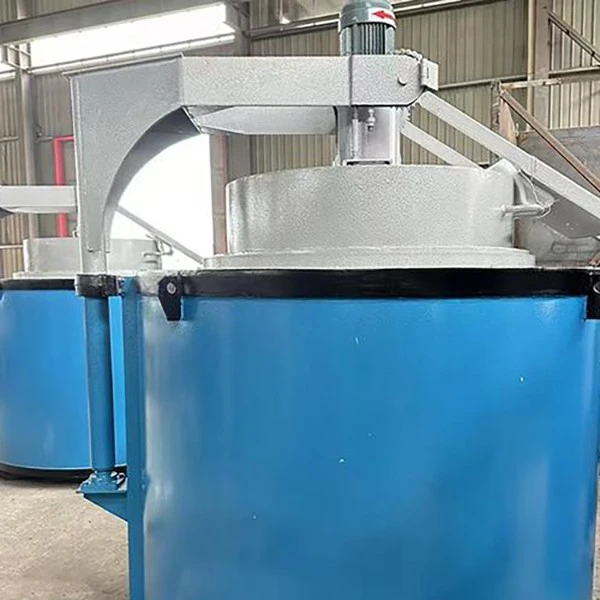
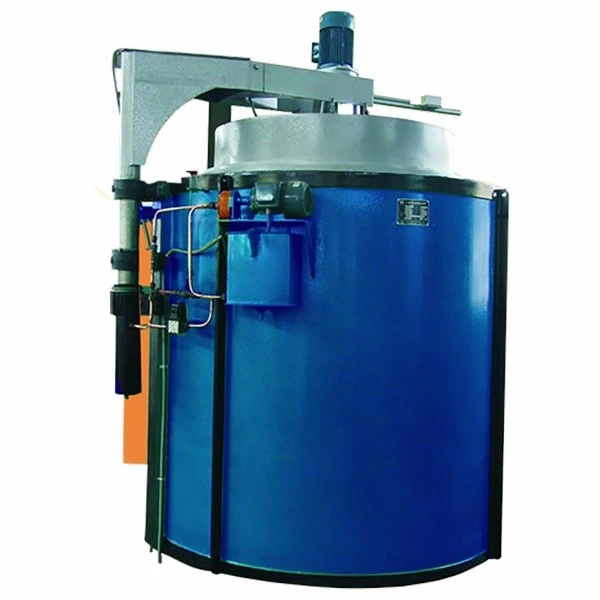
Pit Type Tempering Furnaces are installed underground, which can make maintenance a bit more challenging. You need to check the insulation of the pit to prevent heat loss. If the insulation is damaged, it can increase the energy consumption of the furnace. Repairing or replacing the insulation can cost a few thousand dollars. The heating elements in a pit type furnace also need regular inspection. Over time, the heating elements can burn out, and replacing them can be costly, especially if they're made of high - quality materials.
Full Fiber Tempering Furnace
Full Fiber Tempering Furnaces are known for their energy efficiency, but they still require maintenance. The fiber insulation in these furnaces can break down over time, especially if the furnace is operated at high temperatures. Replacing the fiber insulation can be a significant expense, often running into a few thousand dollars. You also need to check the electrical connections in the furnace. Loose or corroded connections can cause electrical problems and even pose a safety hazard. Fixing electrical connections is usually a relatively inexpensive task, but it's important to address them promptly.
Roller Bottom Tempering Furnace
In a Roller Bottom Tempering Furnace, the rollers are the key components for moving the workpieces. The rollers need to be kept clean and properly lubricated. If the rollers are dirty or not lubricated, they can cause the workpieces to move unevenly. Replacing a damaged roller can cost a couple of hundred dollars to a few thousand, depending on the size and material. You also need to check the alignment of the rollers regularly. Misaligned rollers can cause the workpieces to jam or damage the furnace interior. Adjusting the roller alignment can be a relatively simple task, but it's crucial for the proper functioning of the furnace.
General Maintenance Costs
Apart from the component - specific maintenance, there are some general maintenance costs associated with all tempering furnaces.
Energy Costs
Energy is a major part of the operating and maintenance costs of a tempering furnace. The type of fuel or energy source you use (such as natural gas, electricity, or oil) affects the cost. Regularly maintaining the heating system can help improve energy efficiency and reduce costs. For example, cleaning the burners in a gas - fired furnace can ensure better combustion and lower energy consumption. On average, energy costs can account for a significant portion of the overall maintenance budget, sometimes up to 30 - 50% depending on the size and usage of the furnace.
Inspection and Calibration
Regular inspection and calibration are essential for the proper functioning of a tempering furnace. You need to have a qualified technician inspect the furnace at least once a year, if not more frequently depending on the usage. Inspection involves checking the temperature control system, the safety features, and the overall condition of the furnace. Calibration ensures that the temperature and other parameters are accurate. The cost of inspection and calibration can range from a few hundred to a couple of thousand dollars, depending on the complexity of the furnace.
Labor Costs
Labor costs are also a significant part of the maintenance expenses. Whether you have an in - house maintenance team or you hire an outside contractor, the cost of labor can add up. Skilled technicians are needed to perform maintenance tasks such as component replacement, electrical repairs, and system calibration. Labor costs can vary depending on the location and the expertise of the technicians.
Tips to Reduce Maintenance Costs
Here are some tips to help you keep the maintenance costs of your tempering furnace in check:
- Regular Cleaning: Keep the furnace clean to prevent the buildup of debris and contaminants. This can help extend the life of the components and reduce the risk of breakdowns.
- Follow the Manufacturer's Guidelines: Make sure you follow the recommended maintenance schedule and procedures provided by the manufacturer. This can help you catch potential problems early and avoid costly repairs.
- Train Your Staff: If you have an in - house maintenance team, provide them with proper training on the operation and maintenance of the tempering furnace. Well - trained staff can perform routine maintenance tasks more effectively and identify problems quickly.
Conclusion
So, as you can see, the maintenance costs of a tempering furnace can vary depending on the type of furnace, its size, usage, and the specific components that need attention. But by understanding these costs and taking proactive steps to maintain your furnace, you can keep your operations running smoothly and your budget in check.
If you're in the market for a new tempering furnace or want to learn more about maintenance, don't hesitate to reach out for a chat. We can work together to find the best solution for your needs and help you manage your maintenance costs effectively.
References
- Industry standards for tempering furnace maintenance
- Manufacturer's manuals for various tempering furnaces