

How to improve the efficiency of a Sealed Water Cooling Fan?
Sep 15, 2026
Hey there! As a supplier of Sealed Water Cooling Fans, I've seen firsthand how crucial it is to keep these bad boys running at peak efficiency. Whether you're in the industrial sector or just using one for a high - end PC, a well - performing cooling fan can save you a ton of headaches and money in the long run. So, let's dive into some tips on how to improve the efficiency of a Sealed Water Cooling Fan.
1. Regular Maintenance
Just like your car needs an oil change every now and then, your Sealed Water Cooling Fan needs regular maintenance. Over time, dust and debris can build up on the fan blades and in the water channels. This not only makes the fan work harder but also reduces its ability to transfer heat effectively.
To clean the fan blades, you can use a soft brush or compressed air. Make sure to turn off the power before you do any cleaning to avoid any accidents. For the water channels, you can use a mild cleaning solution to remove any sediment or scale that has accumulated. It's a good idea to do this at least once every few months, depending on how often you use the fan.
Another important part of maintenance is checking the water level. The cooling water is the lifeblood of the system. If the water level gets too low, the fan won't be able to cool as effectively. You can usually find a water level indicator on the side of the unit. If it's low, simply add more distilled water. Avoid using tap water as it may contain minerals that can cause scaling.
2. Optimize the Installation
The way you install your Sealed Water Cooling Fan can have a huge impact on its efficiency. First of all, make sure it's installed in a well - ventilated area. If the fan is surrounded by other equipment or in a cramped space, the hot air it expels won't be able to escape easily, and the cool air intake will be restricted.
The orientation of the fan also matters. It should be installed in a way that allows for smooth airflow. For example, if it's a wall - mounted fan, make sure it's not blocked by any furniture or other objects. And if it's a desktop or rack - mounted fan, ensure there's enough space around it for proper ventilation.
3. Upgrade the Components
Sometimes, upgrading certain components can give your Sealed Water Cooling Fan a significant efficiency boost. For instance, you might want to consider upgrading to a Lightweight Fan - Shaped Brick. These bricks are designed to be lightweight yet highly effective at heat transfer. They can help reduce the overall weight of the fan and improve its cooling performance.
Another great upgrade is the Tempering Furnace Fan. This type of fan is built to handle high - temperature environments and can provide better airflow and cooling. It's especially useful if you're using the Sealed Water Cooling Fan in an industrial setting where temperatures can get pretty high.
4. Monitor the Temperature
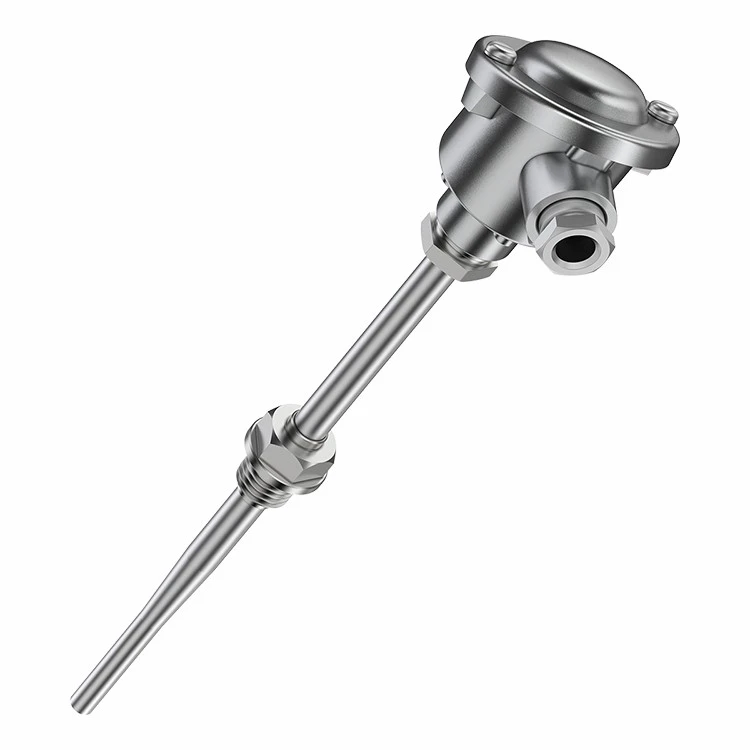
Keeping an eye on the temperature is essential for maintaining the efficiency of your Sealed Water Cooling Fan. You can use a Thermosensor Probe to accurately measure the temperature. By monitoring the temperature, you can detect any issues early on. For example, if the temperature starts to rise unexpectedly, it could be a sign that the fan is not working properly or that there's a blockage in the system.
Based on the temperature readings, you can also adjust the fan speed. Most modern Sealed Water Cooling Fans come with adjustable speed settings. If the temperature is low, you can reduce the fan speed to save energy. And when the temperature goes up, you can increase the speed to ensure effective cooling.
5. Insulate the System
Proper insulation can prevent heat loss and improve the efficiency of your Sealed Water Cooling Fan. Consider using a Fiber Furnace Lining. This lining is made of high - quality fibers that can effectively insulate the fan and the surrounding area. It can keep the cool air inside the system and the hot air out, reducing the workload on the fan.

Similarly, using High Alumina Refractory Bricks can also improve insulation. These bricks have excellent heat - resistant properties and can help maintain a stable temperature inside the fan housing.
Conclusion
Improving the efficiency of a Sealed Water Cooling Fan is all about a combination of regular maintenance, proper installation, component upgrades, temperature monitoring, and insulation. By following these tips, you can ensure that your fan runs smoothly, saves energy, and has a longer lifespan.
If you're interested in purchasing high - quality Sealed Water Cooling Fans or any of the accessories mentioned in this article, feel free to reach out to us for a purchase negotiation. We're always happy to help you find the best solutions for your cooling needs.
References
- General knowledge of cooling fan technology
- Industry best practices for fan maintenance and efficiency improvement