

What is the water leakage prevention mechanism of a Sealed Water Cooling Fan?
Sep 10, 2026
As a supplier of Sealed Water Cooling Fans, I am often asked about the water leakage prevention mechanism of these essential devices. In the following blog post, I will delve into the details of how these fans are designed and engineered to prevent water leakage, ensuring their reliability and longevity in various industrial applications.
Understanding the Sealed Water Cooling Fan
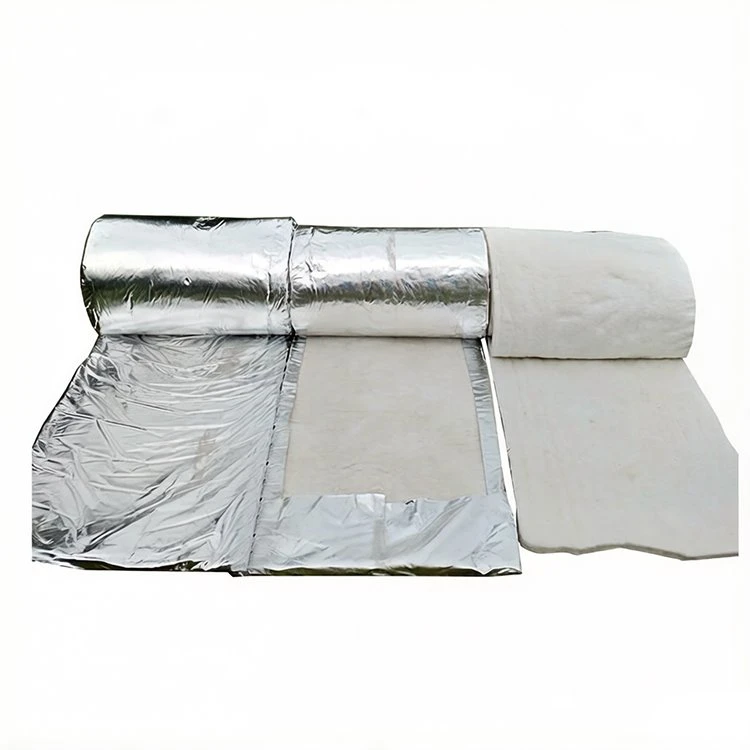
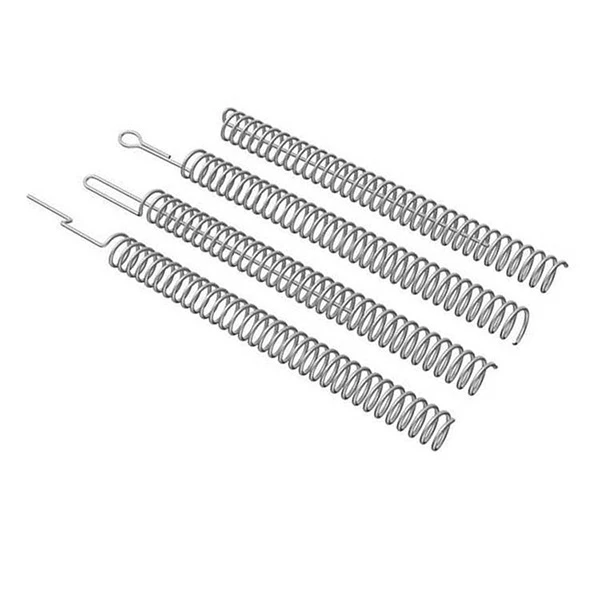
Before we explore the water leakage prevention mechanism, let's first understand what a Sealed Water Cooling Fan is and its significance in industrial settings. A Sealed Water Cooling Fan is a specialized cooling solution designed to dissipate heat generated by industrial equipment, such as Pit Furnace Heating Element, Fiber Needled Insulation Blanket, and Resistance Heating Strip. These fans use water as a coolant, which is circulated through a closed-loop system to absorb and transfer heat away from the equipment.
The sealed design of these fans is crucial for preventing water leakage, which can cause significant damage to the equipment and surrounding environment. Water leakage can lead to corrosion, electrical short circuits, and even system failures, resulting in costly repairs and downtime. Therefore, a reliable water leakage prevention mechanism is essential for the safe and efficient operation of Sealed Water Cooling Fans.
Key Components of the Water Leakage Prevention Mechanism
The water leakage prevention mechanism of a Sealed Water Cooling Fan consists of several key components, each playing a crucial role in ensuring the integrity of the cooling system. These components include:
1. Sealed Housing
The sealed housing is the outer casing of the fan that encloses all the internal components, including the motor, impeller, and water circulation system. It is typically made of high-quality materials, such as stainless steel or aluminum alloy, which are resistant to corrosion and can withstand the harsh operating conditions of industrial environments.
The housing is designed to be completely sealed, preventing water from leaking out of the fan. It is equipped with gaskets and seals at all the joints and openings to ensure a tight and watertight fit. These gaskets and seals are made of materials with excellent sealing properties, such as rubber or silicone, which can effectively prevent water from seeping through the gaps.
2. Water Circulation System
The water circulation system is responsible for circulating the coolant through the fan to absorb and transfer heat away from the equipment. It consists of a pump, pipes, and a heat exchanger. The pump is used to circulate the water through the system, while the pipes are used to transport the water between the different components.
The heat exchanger is a critical component of the water circulation system, as it is responsible for transferring the heat from the water to the surrounding environment. It is designed to maximize the surface area of contact between the water and the air, allowing for efficient heat transfer. The heat exchanger is typically made of materials with high thermal conductivity, such as copper or aluminum, to ensure optimal heat transfer performance.
To prevent water leakage in the water circulation system, all the pipes and joints are carefully sealed using high-quality seals and gaskets. The pump is also designed to be leak-proof, with a sealed housing and a shaft seal to prevent water from leaking out of the pump.
3. Shaft Seal
The shaft seal is a critical component of the Sealed Water Cooling Fan, as it is responsible for preventing water from leaking out of the fan along the motor shaft. The motor shaft rotates at high speeds, creating a potential for water leakage if not properly sealed.
The shaft seal is typically made of a material with excellent sealing properties, such as carbon or ceramic. It is designed to fit tightly around the motor shaft, creating a barrier that prevents water from leaking out. The shaft seal is also designed to withstand the high temperatures and pressures generated by the motor, ensuring its long-term reliability and performance.
4. Pressure Relief Valve
The pressure relief valve is a safety device that is installed in the water circulation system to prevent overpressure. Overpressure can occur due to various reasons, such as a blockage in the pipes or a malfunction of the pump. If the pressure in the system exceeds a certain limit, the pressure relief valve will open, allowing the excess water to escape and preventing damage to the system.
The pressure relief valve is designed to be reliable and accurate, ensuring that it opens at the right time to prevent overpressure. It is typically made of high-quality materials, such as stainless steel or brass, which are resistant to corrosion and can withstand the high pressures generated by the system.
Testing and Quality Assurance
To ensure the reliability and effectiveness of the water leakage prevention mechanism, Sealed Water Cooling Fans undergo rigorous testing and quality assurance procedures during the manufacturing process. These procedures include:
1. Pressure Testing
Pressure testing is a common method used to test the integrity of the sealed housing and the water circulation system. During pressure testing, the fan is filled with water and pressurized to a certain level. The pressure is then maintained for a specified period of time, and any signs of leakage are carefully monitored.
If any leakage is detected during the pressure testing, the fan is rejected and sent back for repair or rework. Only fans that pass the pressure testing are considered to be of acceptable quality and are released for sale.
2. Leak Detection Testing
Leak detection testing is another important method used to test the water leakage prevention mechanism of Sealed Water Cooling Fans. During leak detection testing, the fan is placed in a sealed chamber, and a tracer gas, such as helium, is introduced into the chamber. The tracer gas is then detected using a sensitive leak detector, which can detect even the smallest leaks.
If any leaks are detected during the leak detection testing, the fan is rejected and sent back for repair or rework. Only fans that pass the leak detection testing are considered to be of acceptable quality and are released for sale.
3. Quality Control Inspections
In addition to pressure testing and leak detection testing, Sealed Water Cooling Fans also undergo regular quality control inspections during the manufacturing process. These inspections are carried out by trained quality control personnel, who check the fans for any defects or abnormalities.
The quality control inspections include visual inspections, dimensional inspections, and functional tests. Any fans that do not meet the specified quality standards are rejected and sent back for repair or rework.
Applications of Sealed Water Cooling Fans
Sealed Water Cooling Fans are widely used in various industrial applications, where reliable and efficient cooling is required. Some of the common applications of Sealed Water Cooling Fans include:
1. Furnace Cooling
Sealed Water Cooling Fans are commonly used to cool industrial furnaces, such as Carburizing Furnace Retort. These fans help to dissipate the heat generated by the furnace, preventing overheating and ensuring the safe and efficient operation of the furnace.
2. Electrical Equipment Cooling
Sealed Water Cooling Fans are also used to cool electrical equipment, such as transformers, generators, and switchgear. These fans help to prevent the electrical equipment from overheating, which can cause damage to the equipment and reduce its lifespan.
3. Process Cooling
Sealed Water Cooling Fans are used in various process cooling applications, such as in the chemical, food, and beverage industries. These fans help to cool the process fluids, ensuring the quality and consistency of the products.
Contact Us for Sealed Water Cooling Fan Procurement
If you are in the market for a reliable and efficient Sealed Water Cooling Fan, look no further. As a leading supplier of Sealed Water Cooling Fans, we offer a wide range of products to meet your specific needs. Our fans are designed and engineered to the highest standards, ensuring their reliability, performance, and longevity.
We understand the importance of water leakage prevention in industrial applications, and our Sealed Water Cooling Fans are equipped with advanced water leakage prevention mechanisms to ensure the safety and efficiency of your equipment. Whether you need a fan for furnace cooling, electrical equipment cooling, or process cooling, we have the right solution for you.
To learn more about our Sealed Water Cooling Fans and to discuss your specific requirements, please visit our website at Sealed Water Cooling Fan. Our team of experts is always ready to assist you with your procurement needs and to provide you with the best possible solutions.
References
- [Industrial Cooling Systems: Principles and Applications](Author, Publication Year)
- [Sealed Water Cooling Fan Design and Engineering Handbook](Author, Publication Year)
- [Water Leakage Prevention in Industrial Equipment](Author, Publication Year)