

What is the vibration level of a tempering furnace fan during operation?
Sep 14, 2026
Hey there! As a supplier of tempering furnace fans, I often get asked about the vibration level of these fans during operation. It's a crucial question because the vibration level can tell us a lot about the fan's performance, efficiency, and overall health. So, let's dive right into it and explore what the vibration level of a tempering furnace fan during operation really means.
Understanding Vibration in Tempering Furnace Fans
Vibration in a tempering furnace fan is basically the mechanical movement or oscillation that occurs while the fan is running. It's normal for a fan to have some level of vibration, but excessive vibration can be a sign of trouble. There are several factors that can cause vibration in a tempering furnace fan, including:
- Imbalance: If the fan blades are not balanced properly, it can cause uneven forces to act on the fan shaft, leading to vibration.
- Misalignment: When the fan is not aligned correctly with the motor or other components in the system, it can create vibration.
- Bearing wear: Over time, the bearings in the fan can wear out, which can cause the fan to vibrate more than usual.
- Loose parts: If there are any loose bolts, nuts, or other parts in the fan or its housing, it can result in increased vibration.
Measuring the Vibration Level
To determine the vibration level of a tempering furnace fan, we use a tool called a vibration analyzer. This device measures the amplitude and frequency of the vibration and provides us with a numerical value that represents the severity of the vibration. The vibration level is typically measured in millimeters per second (mm/s) or inches per second (in/s).
In general, a vibration level of less than 1.5 mm/s is considered normal for a tempering furnace fan. However, this can vary depending on the size, speed, and type of the fan. For example, larger fans or fans that operate at higher speeds may have slightly higher vibration levels. If the vibration level exceeds 3 mm/s, it's a cause for concern and should be investigated further.
Why Is the Vibration Level Important?
The vibration level of a tempering furnace fan is important for several reasons:
- Performance: Excessive vibration can reduce the efficiency of the fan, which means it will consume more energy to move the same amount of air. This can lead to higher operating costs and decreased performance.
- Reliability: High vibration levels can cause wear and tear on the fan components, including the bearings, shafts, and blades. This can lead to premature failure of the fan, which can result in costly downtime and repairs.
- Safety: Excessive vibration can also pose a safety risk. It can cause the fan to shake loose from its mounting or cause other components in the system to fail, which can lead to accidents or injuries.
Maintaining Optimal Vibration Levels
To ensure that your tempering furnace fan operates at optimal vibration levels, it's important to perform regular maintenance and inspections. Here are some tips to help you keep your fan in good condition:
- Balance the fan blades: Make sure the fan blades are balanced regularly to prevent imbalance and reduce vibration.
- Align the fan: Ensure that the fan is aligned correctly with the motor and other components in the system to minimize vibration.
- Replace worn bearings: If the bearings in the fan are worn out, replace them as soon as possible to prevent further damage.
- Tighten loose parts: Check for any loose bolts, nuts, or other parts in the fan or its housing and tighten them as needed.
- Use high-quality components: When replacing parts in the fan, use high-quality components that are designed to withstand the high temperatures and harsh conditions in a tempering furnace.
Related Furnace Accessories
In addition to maintaining the vibration level of your tempering furnace fan, it's also important to use high-quality accessories to ensure the overall performance and efficiency of your furnace. Here are some accessories that you might find useful:
- Thermosensor Probe: This device measures the temperature inside the furnace and provides accurate readings to help you maintain the desired temperature.
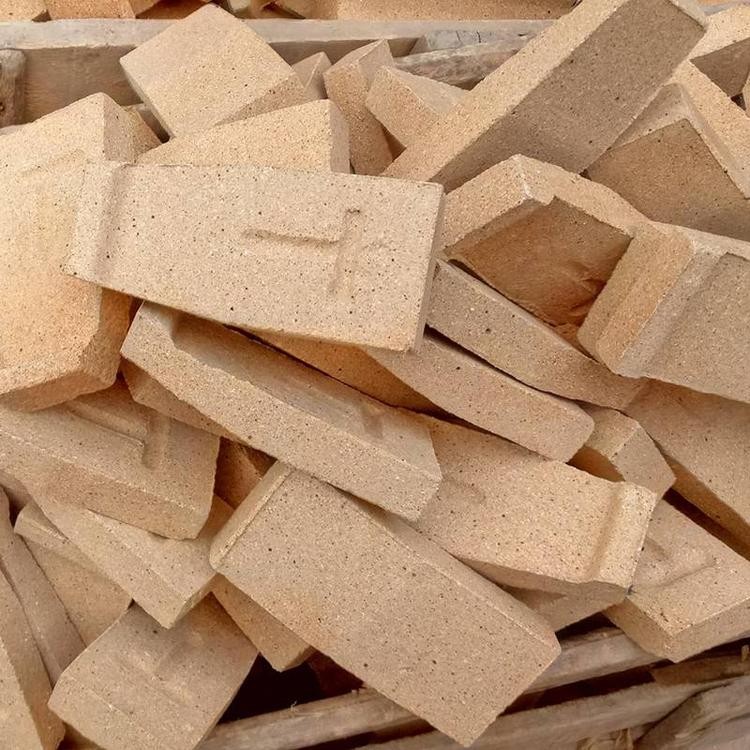
- High Alumina Brick: These bricks are used to line the inside of the furnace to provide insulation and protect the furnace walls from high temperatures.
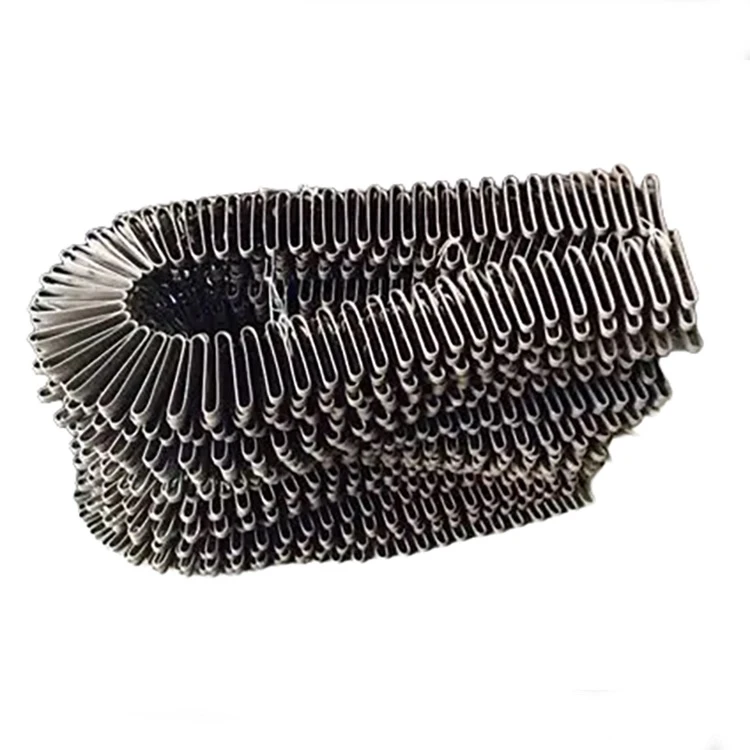
- Resistance Heating Strip: This heating element is used to heat the air inside the furnace and can be customized to meet your specific requirements.
- Fiber Needled Insulation Blanket: This insulation material is used to reduce heat loss and improve the energy efficiency of the furnace.
- Carburizing Furnace Retort: This component is used in carburizing furnaces to hold the workpieces and provide a controlled environment for the carburizing process.
Contact for Purchase and Consultation
If you're in the market for a tempering furnace fan or any of the accessories mentioned above, don't hesitate to reach out. We're here to provide you with high - quality products and expert advice. Whether you have questions about the vibration level, installation, or maintenance of our products, we've got you covered. Just drop us a line, and we'll start a discussion that could lead to a great partnership for your furnace needs.
References
- ASME Performance Test Code 11. Fans and Blowers
- API Standard 673. Special Purpose Blowers and Fans
- Manufacturer's manuals for tempering furnace fans and related accessories