Specifications Of Vacuum Furnace
Apr 17, 2026
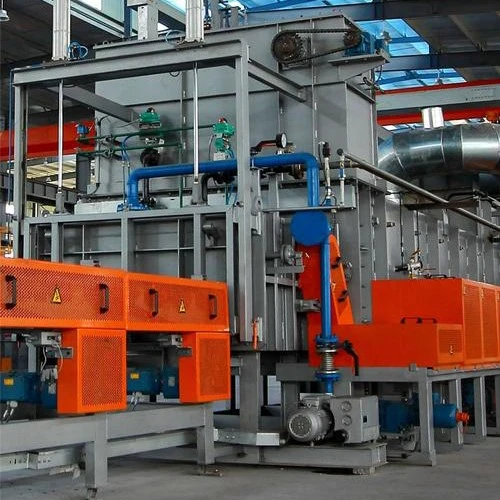
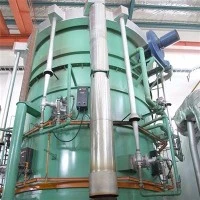
The specifications of a vacuum furnace mainly include parameters such as furnace chamber dimensions, temperature range, vacuum level, and heating power. These parameters directly determine the furnace's applicable processes and processing capacity.
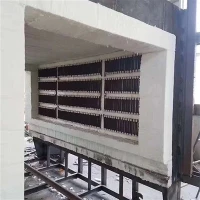
Furnace Chamber Dimensions: The dimensions of the furnace chamber are usually expressed as diameter × height or length × width × height, selected based on the size of the workpiece and batch requirements. Small experimental vacuum furnaces typically have a chamber capacity of tens of liters, while industrial vacuum furnaces can have chamber capacities of hundreds or even thousands of liters to accommodate large batches or large workpieces.
Temperature Range: The operating temperature of a vacuum furnace depends on the process requirements, generally ranging from room temperature to 1000℃~1800℃. High-temperature furnaces are typically equipped with silicon carbide or silicon molybdenum rods as heating elements to meet the needs of high-temperature sintering, brazing, and high-temperature alloy processing.
Vacuum level:
The vacuum performance of a vacuum furnace is a key parameter, and it is generally divided into low vacuum (about 10² Pa), medium vacuum (10⁻¹~10⁻³ Pa) and high vacuum (10⁻³~10⁻⁵ Pa). High vacuum furnaces are mostly used for precision material processing and high-temperature brazing processes.
Heating Power and Temperature Control Accuracy
The furnace power determines the heating rate and temperature uniformity, typically ranging from several kilowatts to tens of kilowatts. The temperature control system accuracy is usually ±1~3℃ to ensure the furnace temperature profile meets process requirements.