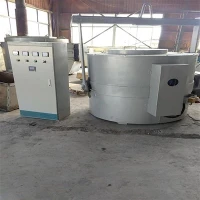
Core Structure Of Electric Resistance Furnace
Apr 07, 2026
The core component of an electric resistance furnace is its heating element system, which is crucial for converting electrical energy into heat. Common heating elements include resistance wire, silicon carbide rods, or silicon molybdenum rods. These elements generate Joule heat when energized, thus heating the workpiece or medium within the furnace chamber. The arrangement of the heating elements is typically optimized based on the furnace type to ensure uniform temperature distribution and stable heating efficiency.
The furnace chamber structure is another vital component of an electric resistance furnace, usually constructed from high-temperature resistant and heat-insulating materials such as refractory bricks and ceramic fibers. The furnace chamber not only houses the heating space but also effectively reduces heat loss, improving overall thermal efficiency. A well-designed furnace chamber enhances temperature uniformity and improves energy efficiency and lifespan.
The control and insulation systems are equally essential components of an electric resistance furnace. The control system typically includes a temperature controller, thermocouples, and automatic adjustment devices to monitor and regulate the furnace temperature in real time, ensuring a stable and controllable heating process. The insulation layer, through multiple layers of insulating material, reduces heat loss, keeping the external temperature of the furnace within a safe range. These structures work together to ensure that the resistance furnace operates stably and efficiently in high-temperature environments.