

What is the heating rate of a crucible furnace?
Jul 22, 2026
Hey there! As a supplier of crucible furnaces, I often get asked about the heating rate of these nifty pieces of equipment. So, I thought I'd take a deep dive into what the heating rate of a crucible furnace is, why it matters, and how it can impact your operations.
What is the Heating Rate?
The heating rate of a crucible furnace refers to how quickly the furnace can raise the temperature inside the crucible to the desired level. It's usually measured in degrees Celsius or Fahrenheit per minute. For example, if a furnace can increase the temperature from room temperature to 1000°C in 30 minutes, its heating rate would be approximately 33.3°C per minute.
This rate is crucial because it directly affects the efficiency of the melting process. A faster heating rate means less time spent waiting for the metal to reach its melting point, which can lead to increased productivity and lower energy costs. On the other hand, a slow heating rate can result in longer production times and higher energy consumption.
Factors Affecting the Heating Rate
Several factors can influence the heating rate of a crucible furnace. Let's take a look at some of the most important ones:
1. Furnace Design and Type
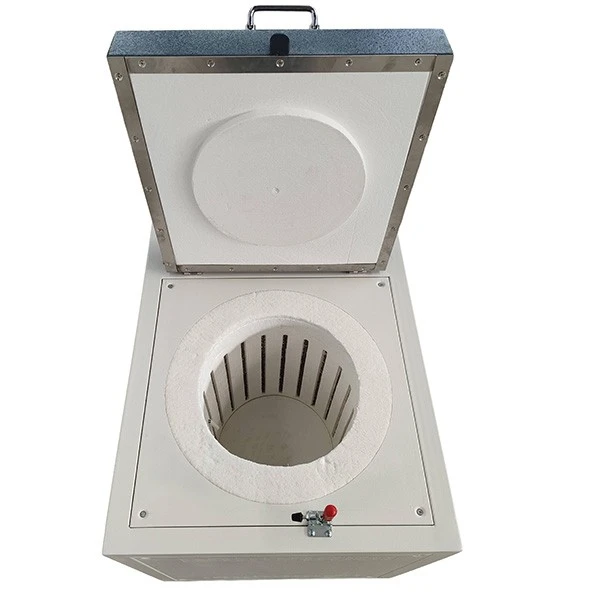
The design and type of the crucible furnace play a significant role in determining its heating rate. For instance, Well Crucible Furnace is designed with a well-like structure that allows for efficient heat transfer. The shape and size of the well can affect how quickly the heat is distributed to the crucible and the metal inside.
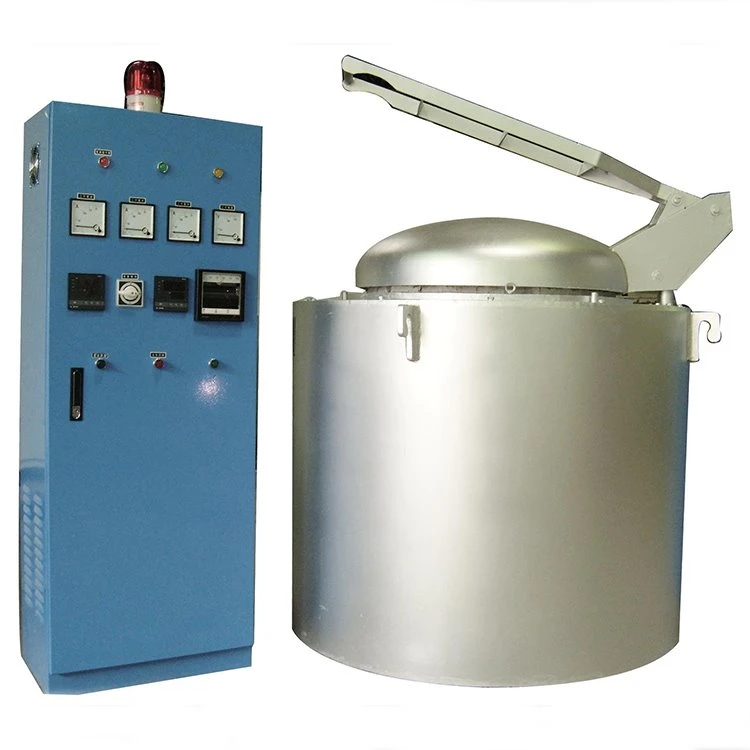
Similarly, Gas Crucible Furnace uses gas as a fuel source, which can provide a high and consistent heat output. The burner design and the gas flow rate can impact the heating rate. In contrast, electric crucible furnaces rely on electrical resistance to generate heat, and their heating rates can be adjusted more precisely.
2. Crucible Material
The material of the crucible also matters. Different materials have different thermal conductivities, which determine how quickly they can transfer heat. For example, graphite crucibles are known for their high thermal conductivity, allowing for faster heat transfer compared to ceramic crucibles. However, graphite crucibles may not be suitable for all applications, as they can react with certain metals at high temperatures.
3. Load Size
The amount of metal or material placed in the crucible, known as the load size, can affect the heating rate. A larger load will require more energy to heat up, which can slow down the heating process. It's important to find the right balance between the load size and the furnace's capacity to ensure optimal heating rates.
4. Insulation
Good insulation is essential for maintaining a high heating rate. Insulation helps to reduce heat loss from the furnace, allowing more of the energy to be used for heating the crucible and the metal. Furnaces with better insulation can heat up faster and maintain a more stable temperature.
Importance of the Heating Rate
Now that we know what the heating rate is and what factors affect it, let's talk about why it's so important.
1. Productivity
A fast heating rate can significantly increase productivity. In a manufacturing setting, time is money. By reducing the time it takes to heat the metal to its melting point, you can increase the number of batches you can process in a day. This can lead to higher production volumes and ultimately, greater profits.
2. Energy Efficiency
As mentioned earlier, a faster heating rate can also result in lower energy consumption. When the furnace can reach the desired temperature quickly, it spends less time operating at lower temperatures, where energy efficiency is often lower. This can translate into cost savings on energy bills.
3. Metal Quality
The heating rate can also impact the quality of the metal. A slow heating rate can cause uneven heating, which can lead to the formation of impurities and defects in the metal. On the other hand, a fast and consistent heating rate can help ensure a more uniform melting process, resulting in higher-quality metal.
Measuring and Controlling the Heating Rate
To measure the heating rate of a crucible furnace, you can use a thermocouple or a pyrometer. These devices can accurately measure the temperature inside the crucible over time, allowing you to calculate the heating rate.
Most modern crucible furnaces come with advanced control systems that allow you to adjust and control the heating rate. You can set the desired temperature and the rate at which you want the furnace to reach that temperature. This level of control can help you optimize the melting process and achieve the best results.
Our Crucible Furnaces and Heating Rates
At our company, we offer a wide range of Melting Crucible Furnace designed to provide high heating rates and excellent performance. Our furnaces are built with the latest technology and high-quality materials to ensure efficient heat transfer and reliable operation.
Whether you need a well crucible furnace for small-scale applications or a large gas crucible furnace for industrial use, we have the right solution for you. Our experienced team can help you choose the furnace that best suits your needs and provide you with all the support and guidance you need to get the most out of your investment.
Conclusion
The heating rate of a crucible furnace is a critical factor that can have a significant impact on your operations. By understanding what it is, what factors affect it, and how to measure and control it, you can optimize your melting process, increase productivity, and improve the quality of your products.
If you're in the market for a crucible furnace or have any questions about heating rates or our products, don't hesitate to reach out. We'd love to have a chat and help you find the perfect solution for your business.
References
- Smith, J. (2020). "Crucible Furnace Technology: A Comprehensive Guide." Industrial Press.
- Johnson, R. (2019). "Optimizing Heating Rates in Crucible Furnaces." Journal of Metallurgical Engineering.