

What are the common mistakes when using a casting material frame?
Jul 21, 2026
Hey there! As a supplier of casting material frames, I've seen my fair share of mistakes that people make when using these frames. In this blog, I'm gonna break down some of the most common ones and give you tips on how to avoid them. So, let's dive right in!
1. Incorrect Sizing
One of the biggest blunders I often see is using a casting material frame that's either too big or too small for the job. When the frame is too large, it can lead to excessive use of casting material, which not only wastes resources but also increases costs. On the flip side, a frame that's too small won't be able to hold the required amount of material, resulting in an incomplete or sub - standard casting.
To avoid this, always measure the dimensions of the object you're casting accurately. Take into account any additional space needed for the casting process, such as for pouring and expansion. If you're unsure, it's better to consult with an expert or refer to the manufacturer's guidelines.
2. Poor Surface Preparation
The surface of the casting material frame needs to be properly prepared before use. If it's dirty, greasy, or has rough spots, it can affect the quality of the casting. For example, dirt and grease can prevent the casting material from adhering properly, leading to air bubbles or uneven surfaces.
Before using the frame, clean it thoroughly with a suitable solvent. Make sure to remove any rust, debris, or old casting material. You can also sand the surface to create a smooth finish, which will help the casting material flow more evenly.
3. Improper Mixing of Casting Materials
Mixing the casting materials correctly is crucial for a successful casting. Many people make the mistake of not following the recommended mixing ratios. This can result in a casting that is either too brittle or too soft, depending on whether there's too much or too little of a particular component.
Always read the instructions on the casting material package carefully. Use a scale to measure the materials accurately, and mix them thoroughly using a proper mixing tool. Make sure to scrape the sides and bottom of the mixing container to ensure an even blend.
4. Ignoring Temperature and Curing Requirements
Casting materials have specific temperature and curing requirements. Ignoring these can lead to problems such as slow curing, cracking, or a weak final product. For instance, if the casting material is cured at a temperature that's too low, it may not reach its full strength.
Keep an eye on the temperature during the casting process. If necessary, use a heating or cooling device to maintain the optimal temperature. Also, follow the recommended curing time. Don't rush the process, as this can compromise the quality of the casting.
5. Lack of Ventilation
When working with casting materials, proper ventilation is essential. Some casting materials release harmful fumes during the mixing and curing process. Inhaling these fumes can be dangerous to your health.
Work in a well - ventilated area, such as near an open window or under a fume hood. If you're working indoors, consider using a ventilation fan to remove the fumes.
6. Not Using the Right Accessories
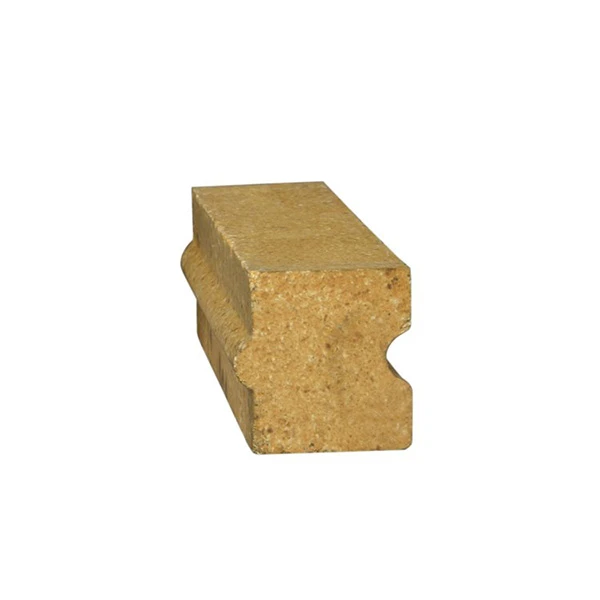
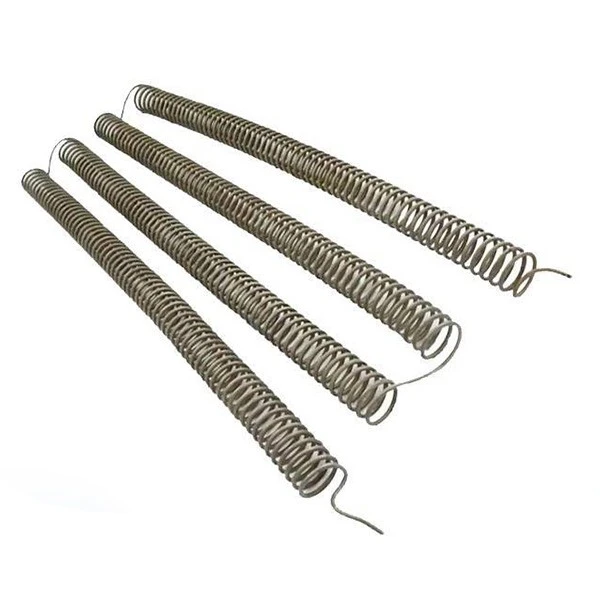
Using the right accessories can make a big difference in the casting process. For example, a Pit Furnace Heating Element can help maintain the right temperature during the casting, while High Alumina Refractory Bricks can provide insulation.
Don't skimp on accessories. Invest in high - quality ones that are suitable for your casting needs. They may cost a bit more upfront, but they'll save you time and money in the long run.
7. Overlooking Wear and Tear
Casting material frames are subject to wear and tear over time. If you don't inspect them regularly, you may not notice any damage until it's too late. Cracks, dents, or other forms of damage can affect the quality of the casting.
Inspect your casting material frames before each use. Look for any signs of wear and tear, and repair or replace them as needed. You can also take preventive measures, such as applying a protective coating to the frame to extend its lifespan.
8. Improper Storage
Storing your casting material frames incorrectly can also lead to problems. If they're stored in a damp or humid environment, they can rust or develop mold. This can not only damage the frame but also contaminate the casting material.
Store your casting material frames in a dry, clean place. If possible, keep them in a storage container or on a shelf to protect them from dust and other contaminants.
9. Rushing the Demolding Process
Demolding is the process of removing the casting from the frame. Rushing this process can cause the casting to break or get damaged. You need to wait until the casting has fully cured before attempting to demold it.
Use a gentle demolding technique. If the casting is stuck, don't force it out. Instead, try using a demolding agent or gently tapping the frame to loosen the casting.
10. Not Learning from Mistakes
Finally, one of the most common mistakes is not learning from past mistakes. Every casting project is an opportunity to improve your skills and knowledge. If something goes wrong, take the time to analyze what happened and figure out how to prevent it from happening again.
Keep a record of your casting projects, including any problems you encountered and the solutions you found. This will help you build a library of knowledge that you can refer to in future projects.
In conclusion, using a casting material frame correctly requires attention to detail and following best practices. By avoiding these common mistakes, you can ensure that your casting projects are successful and that you get high - quality results.
If you're in the market for a casting material frame or any related accessories, such as Sealed Water Cooling Fan, don't hesitate to reach out. We're here to help you find the right products for your needs. Whether you're a professional caster or a hobbyist, we've got you covered. Let's have a chat and see how we can work together to make your casting projects a success!
References
- Industry - standard casting material guidelines
- Personal experience as a casting material frame supplier