

What is the thermal conductivity of High - Alumina Ceramic Tube?
Jul 23, 2026
Hey there! As a supplier of High - Alumina Ceramic Tubes, I often get asked about the thermal conductivity of these nifty little products. So, let's dive right in and explore what thermal conductivity is all about when it comes to High - Alumina Ceramic Tubes.
First off, what's thermal conductivity? In simple terms, it's a measure of how well a material can conduct heat. You know how metal can get hot really quickly when you touch it to a heat source? That's because metals generally have high thermal conductivity. On the flip side, materials like wood don't conduct heat as well, so they feel cooler to the touch.
Now, High - Alumina Ceramic Tubes are made from alumina, which is aluminum oxide. Alumina is a pretty amazing material. It has a high melting point, is very hard, and has good electrical insulation properties. But when it comes to thermal conductivity, it's a bit of a mixed bag.
The thermal conductivity of High - Alumina Ceramic Tubes depends on a few factors. One of the main factors is the purity of the alumina. Higher purity alumina generally has higher thermal conductivity. For example, if you have a ceramic tube made from 99% pure alumina, it's going to conduct heat better than one made from 90% pure alumina.
Another factor is the density of the ceramic. Denser ceramics tend to have higher thermal conductivity because the atoms are closer together, which makes it easier for heat to transfer through the material. The manufacturing process also plays a role. If the ceramic tube is fired at a higher temperature, it can have better thermal conductivity.
Typically, the thermal conductivity of High - Alumina Ceramic Tubes can range from about 15 to 30 W/(m·K) at room temperature. That's not as high as metals like copper or aluminum, but it's still pretty good for a ceramic material. And in some applications, that's all you need.
Let's talk about some of the applications where the thermal conductivity of High - Alumina Ceramic Tubes is important. One common application is in furnaces. These tubes can be used as liners or as support structures inside furnaces. The thermal conductivity helps to transfer heat evenly throughout the furnace, which is crucial for maintaining a consistent temperature.
For instance, in a Fiber Furnace Lining, High - Alumina Ceramic Tubes can be used to improve the heat transfer efficiency. The tubes can withstand high temperatures and help to distribute the heat from the heating elements to the rest of the furnace chamber.
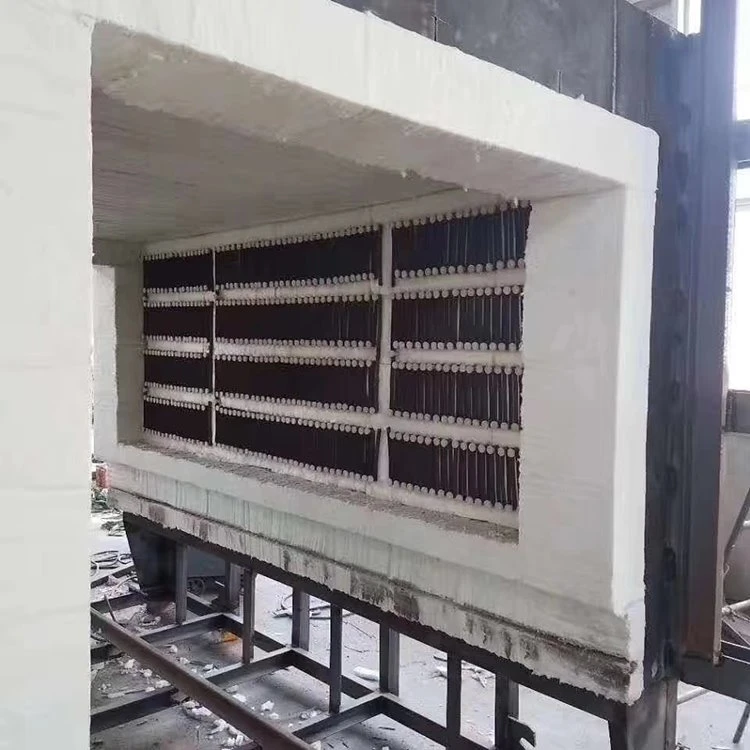
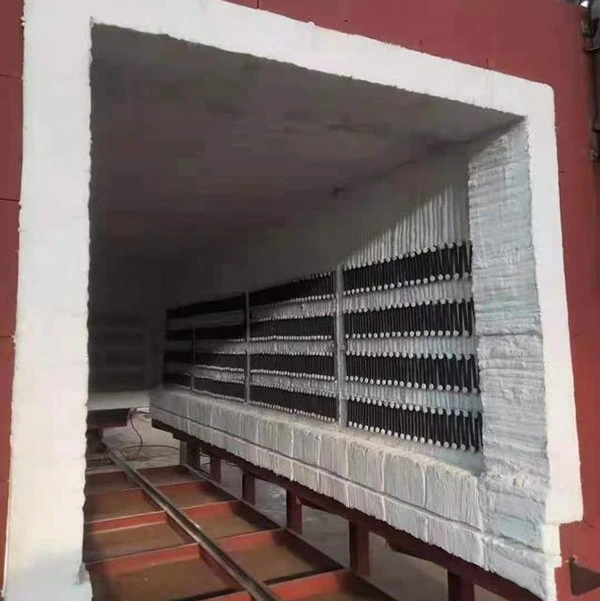
Another application is in heating elements. In a Pit Furnace Heating Element, the ceramic tubes can act as insulators and also help to transfer heat to the surrounding environment. The thermal conductivity of the tubes ensures that the heat is transferred effectively, which improves the overall performance of the heating element.
High - Alumina Ceramic Tubes are also used in electrical applications. They can be used as insulators in high - voltage systems. The thermal conductivity helps to dissipate heat generated by the electrical components, which prevents overheating and extends the lifespan of the components.
And let's not forget about High - Alumina Ceramic Anchor. These anchors are used to secure various components in furnaces and other high - temperature applications. The thermal conductivity of the ceramic material ensures that the anchors can withstand the heat and maintain their structural integrity.
Now, if you're in the market for High - Alumina Ceramic Tubes, it's important to consider the thermal conductivity based on your specific application. If you need a tube that can transfer heat quickly, you'll want to look for one with a higher thermal conductivity. But if you need a tube that can act as an insulator, a lower thermal conductivity might be more suitable.
As a supplier, I can help you choose the right High - Alumina Ceramic Tube for your needs. We have a wide range of products with different thermal conductivities, purities, and densities. Whether you're working on a small research project or a large industrial application, we've got you covered.
If you're interested in learning more about our High - Alumina Ceramic Tubes or have any questions about thermal conductivity, feel free to reach out. We're always happy to have a chat and help you find the best solution for your project.
In conclusion, the thermal conductivity of High - Alumina Ceramic Tubes is an important property that can have a big impact on their performance in various applications. By understanding the factors that affect thermal conductivity and choosing the right tube for your needs, you can ensure that your project runs smoothly and efficiently.
References
- "Ceramics: Structure, Properties, and Applications" by John B. Wachtman
- "High - Temperature Materials and Technologies" edited by David R. Clarke