

What is the energy consumption of a quenching furnace?
Sep 09, 2026
What is the energy consumption of a quenching furnace?
As a quenching furnace supplier, I often encounter inquiries from customers about the energy consumption of quenching furnaces. Understanding the energy consumption of a quenching furnace is crucial for businesses, as it directly impacts operational costs and environmental sustainability. In this blog post, I will delve into the factors influencing the energy consumption of quenching furnaces and provide insights to help you make informed decisions when choosing a furnace for your manufacturing processes.
Understanding Quenching Furnaces
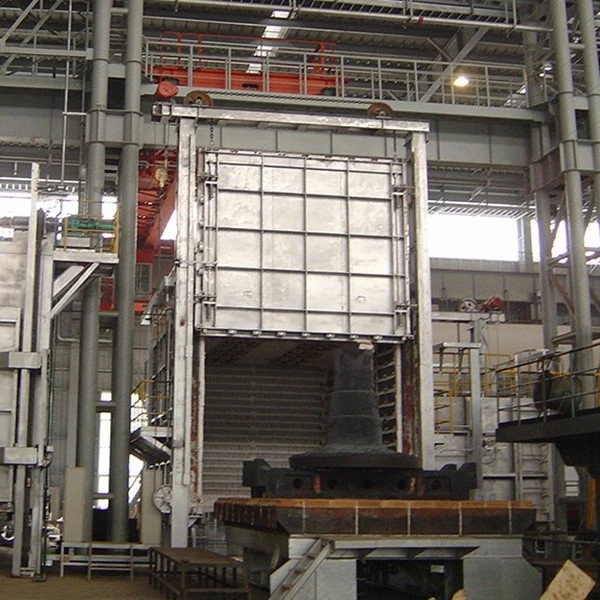
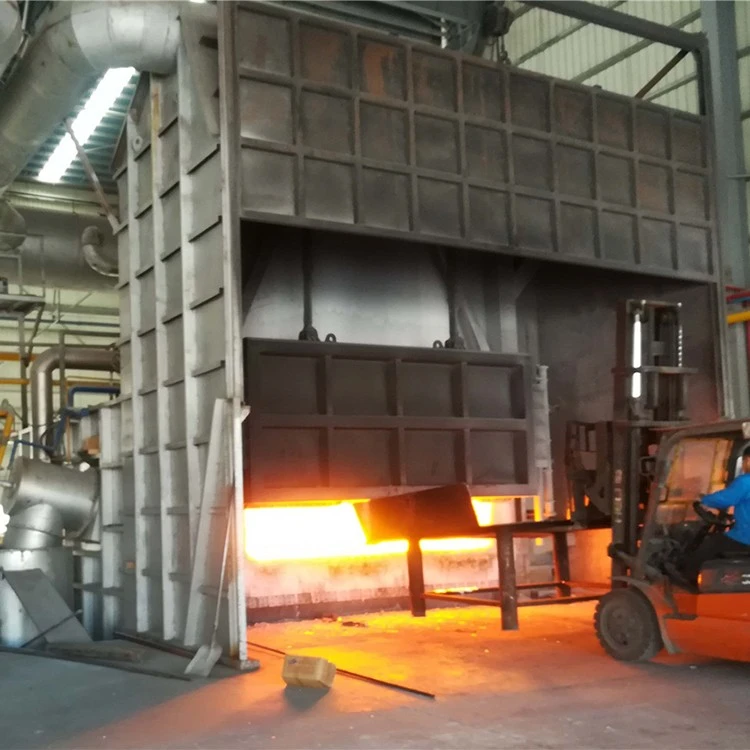
Quenching furnaces are essential equipment in the heat treatment industry, used to heat metal components to a specific temperature and then rapidly cool them to enhance their hardness, strength, and other mechanical properties. Different types of quenching furnaces are available in the market, each with its unique design, features, and energy consumption characteristics. Some common types of quenching furnaces include the All-fiber Quenching Furnace, Aluminum Quenching Furnace, and Horizontal Quench Furnace.
Factors Affecting Energy Consumption
The energy consumption of a quenching furnace is influenced by several factors, including the furnace type, heating method, insulation, load size, and operating temperature. Let's take a closer look at each of these factors:
Furnace Type: Different types of quenching furnaces have varying energy efficiency levels. For example, all-fiber quenching furnaces are designed with high-quality fiber insulation materials, which provide excellent thermal insulation and reduce heat loss. This results in lower energy consumption compared to traditional furnaces with less efficient insulation. Aluminum quenching furnaces are specifically designed for heating aluminum components and are optimized for energy efficiency in this application. Horizontal quench furnaces, on the other hand, offer a high degree of flexibility and can be customized to meet specific production requirements, but their energy consumption may vary depending on the design and operating parameters.
Heating Method: Quenching furnaces can be heated using various methods, such as electric resistance heating, gas heating, or induction heating. Each heating method has its own advantages and disadvantages in terms of energy efficiency. Electric resistance heating is a common method used in many quenching furnaces. It is relatively simple and easy to control, but it can be less energy-efficient compared to gas heating. Gas heating, which uses natural gas or propane as a fuel source, can provide higher energy efficiency and faster heating times. Induction heating is a more advanced heating method that uses electromagnetic fields to heat the metal components directly. It is highly efficient and can provide precise temperature control, but it may require a higher initial investment.
Insulation: The quality of insulation in a quenching furnace plays a crucial role in reducing energy consumption. A well-insulated furnace minimizes heat loss to the surrounding environment, allowing the furnace to maintain a stable temperature with less energy input. High-quality insulation materials, such as ceramic fiber, can provide excellent thermal insulation and reduce heat transfer. Additionally, proper installation and maintenance of the insulation are essential to ensure its effectiveness over time.
Load Size: The size and weight of the load being processed in the quenching furnace can significantly impact energy consumption. Larger loads require more energy to heat up to the desired temperature and may also take longer to cool down. Therefore, it is important to optimize the load size and arrangement in the furnace to minimize energy waste. Some quenching furnaces are designed with adjustable load fixtures or conveyors, which allow for better control of the load size and distribution.
Operating Temperature: The operating temperature of the quenching furnace is another important factor affecting energy consumption. Higher operating temperatures require more energy to maintain, as the furnace needs to overcome the heat loss to the surrounding environment. Therefore, it is essential to select a furnace that can operate at the required temperature range with optimal energy efficiency. Additionally, proper temperature control and monitoring systems can help ensure that the furnace operates at the desired temperature without excessive energy consumption.
Measuring and Improving Energy Efficiency
To accurately measure the energy consumption of a quenching furnace, it is important to use appropriate monitoring and control systems. These systems can provide real-time data on energy usage, temperature, and other operating parameters, allowing you to identify areas for improvement and optimize the furnace's performance. Some common methods for measuring energy efficiency include:
Energy Audits: Conducting regular energy audits can help you identify energy-saving opportunities in your quenching furnace operations. An energy audit involves a comprehensive assessment of the furnace's energy consumption, including the heating system, insulation, load management, and control systems. Based on the audit results, you can develop a customized energy management plan to reduce energy consumption and improve efficiency.
Thermal Imaging: Thermal imaging is a non-invasive technique that uses infrared cameras to detect heat loss in the furnace. By identifying areas of excessive heat loss, you can take corrective actions, such as adding insulation or repairing damaged components, to improve the furnace's energy efficiency.
Variable Frequency Drives (VFDs): VFDs can be used to control the speed of the furnace's fans and pumps, allowing them to operate at the optimal speed based on the actual demand. This can significantly reduce energy consumption, especially in applications where the load varies frequently.
Energy-Efficient Controls: Upgrading the furnace's control system to a more advanced and energy-efficient model can also help reduce energy consumption. Modern control systems can provide precise temperature and process control, allowing the furnace to operate at the optimal conditions with minimal energy waste.
Conclusion
Understanding the energy consumption of a quenching furnace is essential for businesses looking to optimize their manufacturing processes and reduce operational costs. By considering the factors influencing energy consumption, such as furnace type, heating method, insulation, load size, and operating temperature, you can choose the most energy-efficient quenching furnace for your specific needs. Additionally, implementing energy management measures, such as energy audits, thermal imaging, VFDs, and energy-efficient controls, can help you further improve the energy efficiency of your furnace operations.
If you are interested in learning more about our quenching furnaces or discussing your specific energy efficiency requirements, please feel free to contact us. Our team of experts is dedicated to providing you with the best solutions and support to help you achieve your manufacturing goals.
References
- ASM Handbook Volume 4: Heat Treating. ASM International.
- Heat Treatment Principles and Techniques. B. L. Mordike, T. Ebert. Wiley-VCH.
- Energy Efficiency in the Metalworking Industry. International Energy Agency.