

How to ensure the stability of the tempering process in a tempering furnace?
Aug 05, 2026
Ensuring the stability of the tempering process in a tempering furnace is crucial for achieving consistent and high - quality results in heat treatment applications. As a tempering furnace supplier, I have witnessed firsthand the challenges that manufacturers face in maintaining a stable tempering process. In this blog post, I will share some key strategies and best practices that can help you ensure the stability of your tempering process.
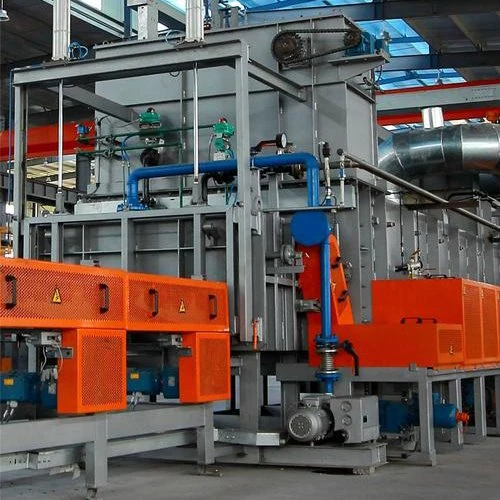
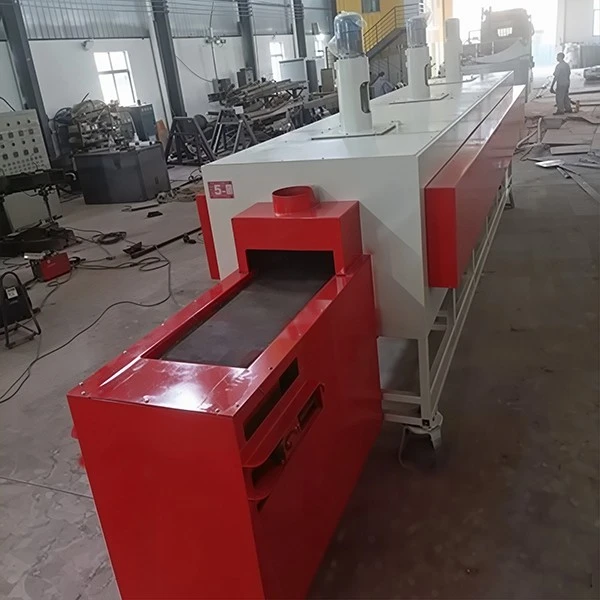
1. Furnace Selection
The first step in ensuring a stable tempering process is to choose the right type of tempering furnace for your specific needs. We offer a variety of tempering furnaces, each with its own unique features and advantages.
- Full Fiber Tempering Furnace: This type of furnace Full Fiber Tempering Furnace is known for its excellent insulation properties, which help to reduce heat loss and maintain a uniform temperature distribution inside the furnace. The full - fiber lining also provides a faster heating rate, which can improve the efficiency of the tempering process.
- Roller Bottom Tempering Furnace: Ideal for handling large and heavy workpieces, the Roller Bottom Tempering Furnace uses a roller conveyor system to move the workpieces in and out of the furnace. This design allows for easy loading and unloading, and the rollers ensure smooth and consistent movement of the workpieces, which is essential for maintaining a stable tempering process.
- Push Rod Tempering Furnace: The Push Rod Tempering Furnace is a popular choice for continuous tempering operations. It uses a push - rod mechanism to move the workpieces through the furnace, providing a high - throughput and consistent tempering process.
- Mesh Belt Tempering Furnace: Suitable for small to medium - sized workpieces, the Mesh Belt Tempering Furnace features a mesh belt conveyor that transports the workpieces through the furnace. The open design of the mesh belt allows for good air circulation, which helps to ensure uniform heating and tempering.
- Pit Type Tempering Furnace: For applications where vertical loading is required, the Pit Type Tempering Furnace is a great option. It is installed below the floor level, which provides easy access for loading and unloading large or long workpieces.
2. Temperature Control
Accurate temperature control is the cornerstone of a stable tempering process. Here are some important aspects to consider:
- Calibration: Regularly calibrate the temperature sensors in your tempering furnace to ensure their accuracy. Even a small error in temperature measurement can lead to significant variations in the tempering results. Use a reliable calibration device and follow the manufacturer's instructions for calibration.
- Temperature Uniformity: Achieving a uniform temperature distribution inside the furnace is essential. This can be accomplished by proper furnace design, including the placement of heating elements and fans. Some furnaces are equipped with advanced airflow systems that help to circulate the hot air evenly, reducing temperature gradients.
- Setpoint Stability: Maintain a stable temperature setpoint throughout the tempering process. Fluctuations in the setpoint can cause uneven tempering and affect the quality of the workpieces. Use a high - quality temperature controller with good stability and response time.
3. Process Monitoring
Continuous monitoring of the tempering process is necessary to detect any deviations and take corrective actions in a timely manner.
- Temperature Monitoring: Install multiple temperature sensors inside the furnace to monitor the temperature at different locations. This will give you a comprehensive view of the temperature distribution and help you identify any hot or cold spots. Use a data acquisition system to record the temperature data over time, which can be analyzed to detect trends and potential problems.
- Time Monitoring: Keep track of the time that the workpieces spend inside the furnace. The tempering time is a critical parameter that affects the hardness and other properties of the workpieces. Use a timer or a process control system to ensure that the workpieces are tempered for the correct amount of time.
- Atmosphere Monitoring: If your tempering process requires a specific atmosphere, such as a controlled - atmosphere or a vacuum, monitor the atmosphere parameters regularly. Changes in the atmosphere can affect the surface quality and properties of the workpieces.
4. Maintenance and Upkeep
Proper maintenance of the tempering furnace is essential for its long - term stability and performance.
- Regular Inspections: Conduct regular inspections of the furnace to check for any signs of wear, damage, or malfunction. Inspect the heating elements, insulation, fans, and other components. Replace any worn - out parts promptly to prevent further damage.
- Cleaning: Keep the furnace clean to ensure good heat transfer and prevent the accumulation of debris. Clean the interior of the furnace, including the heating elements and the conveyor system, on a regular basis.
- Lubrication: If the furnace has moving parts, such as rollers or conveyors, lubricate them regularly to ensure smooth operation. Use the appropriate lubricants recommended by the manufacturer.
5. Operator Training
Well - trained operators are key to ensuring the stability of the tempering process.
- Technical Training: Provide your operators with comprehensive technical training on the operation and maintenance of the tempering furnace. They should understand the principles of heat treatment, the functions of the furnace components, and the proper procedures for loading and unloading the workpieces.
- Safety Training: Emphasize safety training to prevent accidents and ensure the well - being of the operators. Train them on how to handle the furnace safely, including the use of personal protective equipment and the proper procedures for emergency situations.
6. Quality Control
Implement a rigorous quality control system to ensure that the tempered workpieces meet the required specifications.
- Sampling and Testing: Take samples of the tempered workpieces at regular intervals and perform tests to check their hardness, microstructure, and other properties. Compare the test results with the desired specifications and take corrective actions if necessary.
- Documentation: Keep detailed records of the tempering process, including the temperature, time, and other process parameters. This documentation can be used for traceability and quality control purposes.
In conclusion, ensuring the stability of the tempering process in a tempering furnace requires a combination of proper furnace selection, accurate temperature control, continuous process monitoring, regular maintenance, well - trained operators, and a robust quality control system. By following these strategies and best practices, you can achieve consistent and high - quality tempering results.
If you are interested in learning more about our tempering furnaces or have any questions regarding the tempering process, please feel free to contact us for procurement and further discussions. We are committed to providing you with the best solutions for your heat treatment needs.
References
- ASM Handbook Volume 4: Heat Treating. ASM International.
- Heat Treating Principles and Practices. American Foundry Society.
- Furnace Design and Operation: A Practical Guide. Industrial Heating Equipment Association.