

Can a vacuum furnace be used for the production of semiconductor materials?
Jul 20, 2026
Hey there! As a supplier of vacuum furnaces, I often get asked whether a vacuum furnace can be used for the production of semiconductor materials. Well, the short answer is yes, and in this blog, I'll dive into the details of how and why.
First off, let's understand what semiconductor materials are. Semiconductors are materials that have electrical conductivity between that of a conductor and an insulator. They're the backbone of modern electronics, used in everything from smartphones to computers and solar panels. The most common semiconductor materials are silicon, germanium, and gallium arsenide.
Now, why would we use a vacuum furnace for their production? The key lies in the unique environment a vacuum furnace provides. In a vacuum, there's a very low level of oxygen and other gases. This is crucial because when producing semiconductor materials, any impurities can significantly affect their electrical properties. Even a tiny amount of oxygen or other contaminants can lead to defects in the semiconductor crystals, which in turn can degrade the performance of the final electronic device.
One of the main processes in semiconductor production where a vacuum furnace is used is crystal growth. For example, the Czochralski process, which is widely used to grow single - crystal silicon, can be carried out in a vacuum furnace. In this process, a seed crystal is dipped into a molten silicon bath. As the seed is slowly pulled out, a large single - crystal ingot forms. By performing this in a vacuum, we can prevent oxidation of the silicon and ensure a high - quality crystal.
Another important application is in the annealing of semiconductor wafers. Annealing is a heat - treatment process that relieves internal stresses in the semiconductor material, improves its crystal structure, and enhances its electrical properties. A vacuum furnace is ideal for this because it allows for precise control of the temperature and the absence of contaminants. This results in a more uniform and reliable semiconductor wafer.
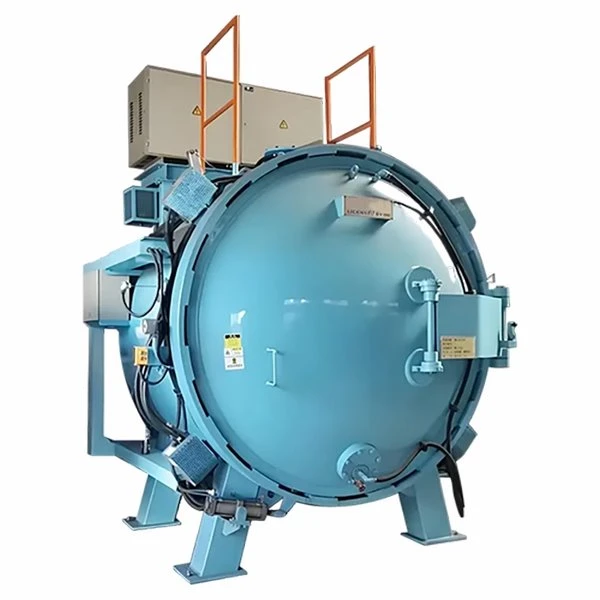
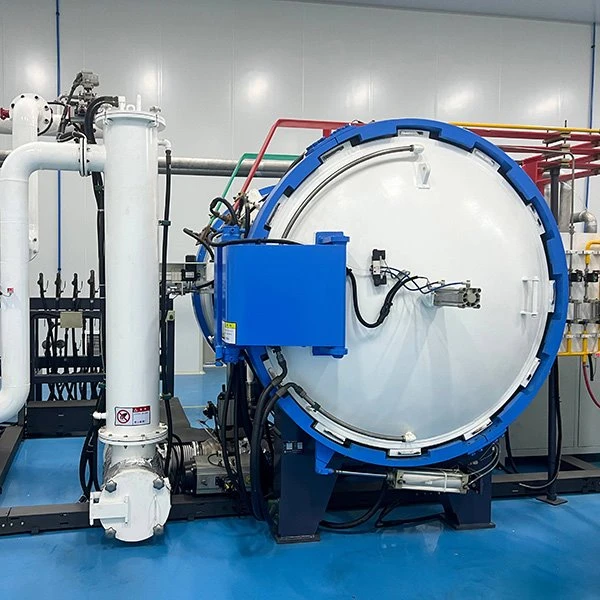
Let's talk about the types of vacuum furnaces that are commonly used in semiconductor production. One popular option is the Vacuum Sintering Furnace. In semiconductor manufacturing, sintering can be used to bond different layers of materials together. For instance, when creating a multi - layer semiconductor device, the sintering process can help ensure a strong and reliable connection between the layers. The vacuum environment in the sintering furnace prevents oxidation and other unwanted chemical reactions during the bonding process.
The Vacuum Quenching Furnace also has its role. Quenching is a rapid cooling process that can be used to alter the physical properties of semiconductor materials. By using a vacuum quenching furnace, we can avoid the formation of surface oxides and other defects that might occur if the quenching was done in an open - air environment.
And then there's the Vacuum Tempering Furnace. Tempering is a heat - treatment process that follows quenching. It helps to relieve the internal stresses that are created during quenching and makes the semiconductor material more ductile and less brittle. The vacuum environment in the tempering furnace ensures that the tempering process is carried out without any contamination.
But it's not all smooth sailing. There are some challenges when using vacuum furnaces for semiconductor production. One of the main challenges is the high cost of the equipment. Vacuum furnaces are complex machines that require precise engineering and high - quality materials. They also need regular maintenance to ensure their proper functioning.
Another challenge is the strict control requirements. The temperature, pressure, and gas composition in the vacuum furnace need to be carefully monitored and controlled. Even a small deviation from the optimal conditions can lead to defects in the semiconductor materials.
Despite these challenges, the benefits of using a vacuum furnace for semiconductor production far outweigh the drawbacks. The high - quality and reliable semiconductor materials produced in a vacuum furnace are essential for the development of advanced electronic devices.
If you're in the semiconductor production industry and are looking for a reliable vacuum furnace for your manufacturing needs, I'd love to have a chat. We have a wide range of vacuum furnaces that are designed to meet the specific requirements of semiconductor production. Whether you need a vacuum sintering furnace, a vacuum quenching furnace, or a vacuum tempering furnace, we've got you covered.
Contact us to start a discussion about how our vacuum furnaces can enhance your semiconductor production process. Let's work together to create high - quality semiconductor materials that will power the next generation of electronic devices.
References
- Smith, J. (2020). Semiconductor Manufacturing Processes. New York: TechPub.
- Johnson, A. (2019). Vacuum Furnace Technology for Advanced Materials. London: MatSci Press.