

How to improve the energy efficiency of an annealing furnace?
Jul 30, 2026
Hey there! As a supplier of annealing furnaces, I've seen firsthand how crucial energy efficiency is in today's industrial landscape. Not only does it save money, but it also helps reduce our environmental footprint. In this blog post, I'm gonna share some practical tips on how to improve the energy efficiency of an annealing furnace.
1. Optimize the Furnace Design
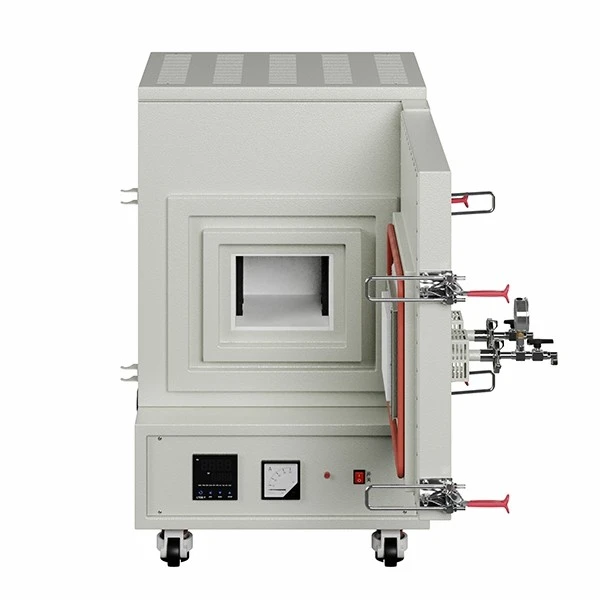
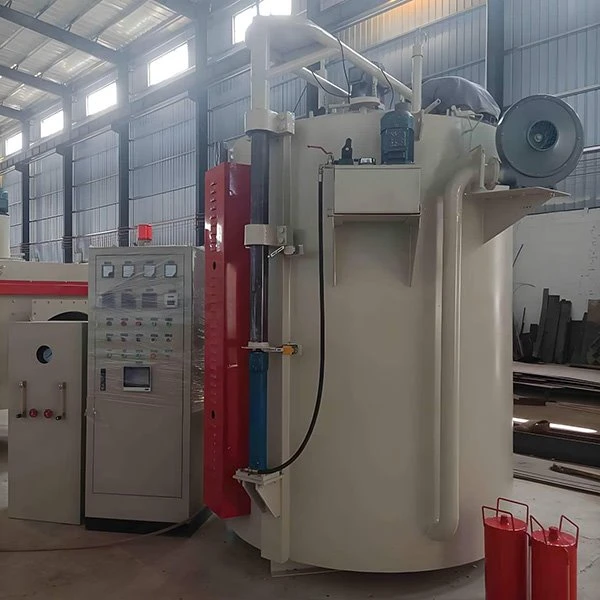
The first step in improving energy efficiency is to start with a well - designed annealing furnace. A properly insulated furnace can significantly reduce heat loss. We offer a variety of furnace types, such as the Fuel Annealing Furnace, Gas Protection Annealing Furnace, and High Temperature Annealing Furnace, all of which are designed with energy efficiency in mind.
For example, using high - quality insulation materials can prevent heat from escaping. Ceramic fiber insulation is a great choice as it has low thermal conductivity and can withstand high temperatures. This means less energy is needed to maintain the desired temperature inside the furnace.
Another aspect of furnace design is the shape and size. A compact furnace design can reduce the volume of air that needs to be heated, thus saving energy. Also, the layout of the heating elements should be optimized to ensure even heat distribution. This prevents hot spots and cold spots, which can lead to inefficient energy use.
2. Use the Right Fuel
The type of fuel you use in your annealing furnace can have a big impact on energy efficiency. Natural gas is a popular choice as it burns cleanly and has a high energy content. It's also relatively inexpensive compared to some other fuels.
However, if you're looking for even more efficiency, you might consider using a fuel with a higher combustion efficiency. Some advanced fuels can provide more heat per unit of energy consumed. When choosing a fuel, it's important to consider the availability, cost, and environmental impact.
We can help you select the most suitable fuel for your specific annealing furnace based on your production requirements and budget.
3. Implement a Temperature Control System
A good temperature control system is essential for energy efficiency. By accurately controlling the temperature inside the furnace, you can avoid over - heating, which wastes energy. Modern temperature control systems use sensors and advanced algorithms to maintain the desired temperature within a narrow range.
For instance, a programmable logic controller (PLC) can be used to automate the temperature control process. It can adjust the heating elements based on the real - time temperature readings, ensuring that the furnace operates at the optimal temperature. This not only saves energy but also improves the quality of the annealing process.
4. Recover Waste Heat
Waste heat recovery is a great way to improve energy efficiency. When the annealing process is complete, a significant amount of heat is lost through the exhaust gases. By installing a heat recovery system, you can capture this waste heat and use it for other purposes, such as pre - heating the incoming air or water.
There are different types of heat recovery systems available, such as heat exchangers. A heat exchanger transfers the heat from the exhaust gases to the incoming air or water, raising its temperature before it enters the furnace. This reduces the amount of energy needed to heat the air or water to the desired temperature, resulting in energy savings.
5. Regular Maintenance
Regular maintenance of your annealing furnace is crucial for energy efficiency. Over time, the furnace components can wear out, which can lead to increased energy consumption. For example, a dirty burner can cause incomplete combustion, resulting in wasted fuel.
Make sure to clean the furnace regularly, including the heating elements, burners, and insulation. Check for any leaks in the furnace, as even a small leak can cause significant heat loss. Replace any worn - out parts promptly to ensure the furnace operates at its best.
6. Optimize the Annealing Process
The annealing process itself can be optimized to improve energy efficiency. For example, reducing the annealing time can save energy. This can be achieved by adjusting the temperature and the cooling rate. However, it's important to ensure that the quality of the annealed product is not compromised.
Also, batch loading can be optimized. Loading the furnace to its maximum capacity can improve energy efficiency as more products can be annealed at once, reducing the number of heating and cooling cycles.
7. Employee Training
Your employees play a key role in energy efficiency. Make sure they are trained on how to operate the annealing furnace efficiently. They should understand the importance of energy conservation and know how to follow the best practices.
For example, they should know how to load the furnace properly, how to adjust the temperature control system, and how to perform basic maintenance tasks. By empowering your employees, you can ensure that the furnace is operated in the most energy - efficient way possible.
Conclusion
Improving the energy efficiency of an annealing furnace is not only good for your bottom line but also for the environment. By following these tips, you can reduce your energy consumption and improve the overall performance of your annealing process.
If you're interested in learning more about our annealing furnaces or need help in improving the energy efficiency of your existing furnace, feel free to reach out. We're here to assist you with all your annealing furnace needs.
References
- Smith, J. (2020). Industrial Furnace Energy Efficiency. Journal of Industrial Heating, 45(2), 32 - 40.
- Johnson, A. (2019). Waste Heat Recovery in Annealing Furnaces. Proceedings of the International Conference on Energy Conservation, 12 - 18.