

What is the unloading process of a resistance furnace?
Nov 19, 2026
As a dedicated supplier of resistance furnaces, I often find myself delving into the intricate details of their operations to better guide my clients. Among the numerous aspects of these remarkable machines, the unloading process of a resistance furnace is a topic that holds significant importance. In this blog, I aim to shed light on what the unloading process of a resistance furnace entails, its significance, and how it varies across different types of resistance furnaces.
Understanding the Basics of Resistance Furnaces
Before we jump into the unloading process, it's essential to have a brief understanding of resistance furnaces. These devices are designed to generate heat through electrical resistance. When an electric current passes through a resistive material, it produces heat, which is then used for various industrial applications such as heat treatment, melting, and sintering. Different types of resistance furnaces, including the Trolley Resistance Furnace, Tempering Resistance Furnace, Hood Type Resistance Furnace, Resistance Heating Furnace, and Mesh Belt Furnace, are tailored to specific industrial needs.
The Significance of the Unloading Process
The unloading process of a resistance furnace is not just a simple act of removing the heated materials. It plays a crucial role in ensuring the quality of the processed materials, the efficiency of the production line, and the safety of the operators. A well - executed unloading process can prevent damage to the materials, reduce the risk of thermal shock, and maintain the productivity of the overall manufacturing process.
General Steps in the Unloading Process
Step 1: Pre - unloading Checks
Before initiating the unloading process, several pre - checks are necessary. First and foremost, the temperature of the furnace needs to be carefully monitored. Depending on the type of material being processed, the furnace may need to cool down to a specific temperature to avoid thermal shock. For materials that are sensitive to rapid temperature changes, a gradual cooling process may be required before unloading.
In addition to temperature checks, the condition of the unloading equipment should be inspected. This includes ensuring that conveyor belts, lifting mechanisms, and any other tools used for unloading are in proper working order. Any signs of wear, damage, or malfunction should be addressed immediately to prevent disruptions during the unloading process.
Step 2: Opening the Furnace
Once the pre - checks are completed, the furnace can be opened. The method of opening the furnace varies depending on its design. For example, in a trolley resistance furnace, the trolley may need to be withdrawn from the furnace chamber. In a hood - type resistance furnace, the hood is lifted to provide access to the heated materials. Care must be taken during this step to avoid any accidental contact with the hot interior of the furnace.
Step 3: Material Removal
After opening the furnace, the next step is to remove the processed materials. This can be done using various methods, such as manual extraction, with the use of protective equipment like heat - resistant gloves and tongs to pick up the materials. In larger - scale operations, mechanical means are often employed. Conveyor belts can be used to transport the materials out of the furnace, or robotic arms can be programmed to perform the unloading task with precision.
For mesh belt furnaces, the continuous mesh belt itself is an integral part of the unloading process. As the belt moves, it transports the heated materials out of the furnace chamber, allowing for a seamless and efficient unloading process.
Step 4: Post - unloading Procedures
Once the materials are removed, the furnace needs to be properly cleaned and inspected. Residual debris, scale, or other contaminants may have accumulated during the heating process. Cleaning the furnace helps to maintain its efficiency and prevent any potential damage to future batches of materials. The interior of the furnace should be visually inspected for any signs of wear or damage, such as cracks in the insulation or heating elements.
Variations in the Unloading Process for Different Furnace Types
Trolley Resistance Furnace
In a trolley resistance furnace, the unloading process often starts with the withdrawal of the trolley from the furnace chamber. The trolley, which holds the materials during the heating process, is connected to a mechanism that allows it to be pulled out smoothly. Once the trolley is outside the furnace, the materials can be removed using cranes, forklifts, or other suitable lifting equipment. This type of furnace is commonly used for large - scale industrial applications where heavy materials need to be processed, and the ability to move the materials in and out of the furnace on a trolley is highly advantageous.
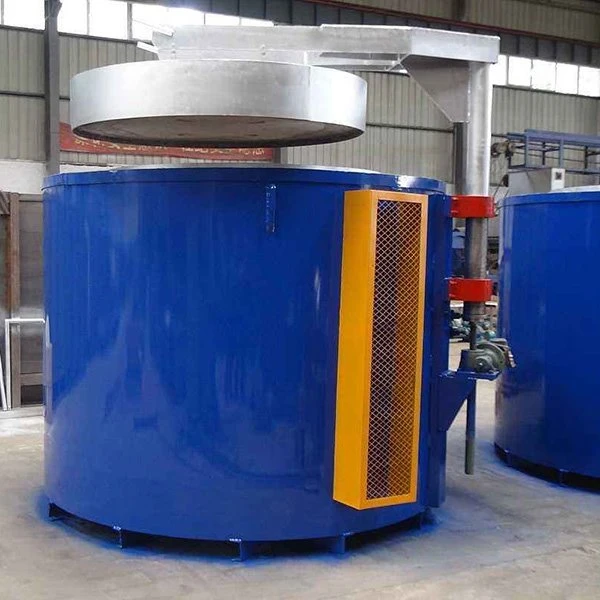

Tempering Resistance Furnace
Tempering resistance furnaces are used to improve the toughness and ductility of materials. The unloading process in these furnaces is typically more controlled to ensure that the tempered properties of the materials are not compromised. After the tempering process is complete and the furnace has cooled to an appropriate temperature, the materials are carefully removed. Special attention is paid to the handling of the materials to prevent any mechanical damage that could affect their tempered characteristics.
Hood Type Resistance Furnace
Hood type resistance furnaces are designed with a moveable hood that provides easy access to the furnace chamber. When unloading, the hood is first lifted, and then the materials are removed. This type of furnace is often used in applications where quick access to the materials is required, such as in small - batch production or for research and development purposes. The unloading process can be relatively fast, but still, it must be carried out with caution to avoid any heat - related injuries.
Resistance Heating Furnace
Resistance heating furnaces are versatile and can be used for a wide range of applications. The unloading process in these furnaces depends on the size and shape of the materials being processed. For small - sized materials, they can be removed manually or using small - scale mechanical equipment. Larger materials may require the use of overhead cranes or other heavy - duty lifting devices.
Mesh Belt Furnace
As mentioned earlier, the mesh belt in a mesh belt furnace is a key component of the unloading process. The continuous movement of the belt allows for a continuous flow of materials through the furnace and out of it. The speed of the belt can be adjusted to control the processing time and the unloading rate. After the materials exit the furnace on the mesh belt, they can be sorted, cooled further, or sent directly to the next stage of the manufacturing process.
Importance of Safety in the Unloading Process
Safety should always be the top priority during the unloading process of a resistance furnace. The high temperatures and potentially hazardous materials involved pose significant risks to the operators. Personal protective equipment, such as heat - resistant clothing, gloves, and face shields, should be worn at all times. Adequate ventilation should be provided to remove any fumes or gases that may be released during the unloading process.
In addition, the operators should be well - trained in the proper use of the unloading equipment and the safety procedures associated with the resistance furnace. Regular safety inspections and maintenance of the equipment are also essential to prevent accidents and ensure a safe working environment.
Conclusion
The unloading process of a resistance furnace is a complex and critical part of the overall operation. It requires careful planning, proper equipment, and strict adherence to safety procedures. As a resistance furnace supplier, I understand the importance of providing our clients with not only high - quality furnaces but also the knowledge and support they need to operate them efficiently and safely.
Whether you are in the market for a Trolley Resistance Furnace, Tempering Resistance Furnace, Hood Type Resistance Furnace, Resistance Heating Furnace, or Mesh Belt Furnace, we are here to assist you. If you have any questions about the unloading process or any other aspects of our resistance furnaces, please feel free to contact us for a detailed discussion and to explore the best solutions for your specific industrial needs.
References
- "Industrial Furnaces: Principles and Operations" by John Doe
- "Heat Treatment Technology Handbook" by Jane Smith
- Manufacturer's manuals for various resistance furnaces