

Can a Furnace Recorder record other parameters besides temperature?
Jul 29, 2026
In the industrial landscape, furnace recorders play a crucial role in monitoring and documenting various aspects of furnace operations. While temperature is often the most well - known parameter recorded by these devices, a common question arises: Can a Furnace Recorder record other parameters besides temperature? As a supplier of Furnace Recorders, I am here to shed light on this topic and explore the diverse capabilities of these essential instruments.
The Primary Function: Temperature Recording
Temperature is the cornerstone of furnace operation. Furnaces are used in a wide range of industries, from metalworking to glass manufacturing, and maintaining the correct temperature is vital for product quality and process efficiency. A Furnace Recorder is designed to accurately measure and record temperature over time. This data is invaluable for quality control, process optimization, and regulatory compliance. For example, in a steel - making furnace, precise temperature control ensures the proper melting and refining of the metal, resulting in high - quality steel products.
Beyond Temperature: Other Recordable Parameters
However, modern furnace recorders are not limited to temperature alone. They can be equipped with sensors and capabilities to record several other critical parameters.
Pressure
Pressure is another important factor in furnace operations. In some industrial processes, maintaining a specific pressure within the furnace is necessary for safety and proper functioning. For instance, in a chemical reaction furnace, the pressure can affect the reaction rate and the yield of the product. A furnace recorder can be configured to measure and record the pressure inside the furnace, allowing operators to monitor and adjust the pressure as needed. This data can also be used to detect any abnormal pressure changes, which could indicate a potential problem such as a leak or a blockage in the system.
Gas Flow
Many furnaces rely on the flow of gases for combustion or other processes. Monitoring the gas flow rate is essential for ensuring efficient and safe operation. A furnace recorder can be connected to gas flow sensors to record the volume or mass of gas flowing into the furnace. This information helps in optimizing the fuel - air ratio, reducing energy consumption, and preventing dangerous situations such as incomplete combustion or gas leaks. For example, in a natural gas - fired furnace, accurate gas flow recording can help in adjusting the burner settings to achieve the best possible combustion efficiency.
Humidity
In certain industries, such as food processing or pharmaceutical manufacturing, humidity can have a significant impact on the quality of the products. A furnace recorder can be used to measure and record the humidity level inside the furnace. This data is useful for maintaining the appropriate environment for the process, preventing issues such as product spoilage or degradation. For example, in a drying furnace used for food products, controlling the humidity is crucial to ensure that the food is dried to the right moisture content.
Oxygen Content
The oxygen content in a furnace is critical for combustion processes. In a combustion furnace, the right amount of oxygen is required for complete and efficient burning of the fuel. A furnace recorder can measure and record the oxygen level in the furnace atmosphere. This data helps in adjusting the air - fuel ratio, improving combustion efficiency, and reducing emissions. For example, in a power plant boiler, monitoring the oxygen content can help in optimizing the combustion process, resulting in lower fuel consumption and reduced environmental impact.
The Role of Furnace Recorders in a Comprehensive Control System
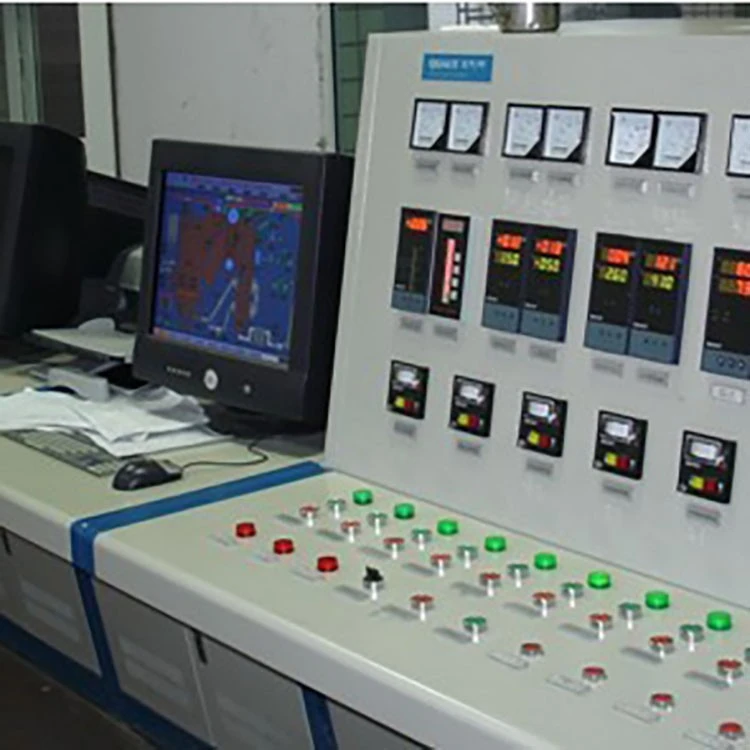
Furnace recorders are often part of a larger Furnace Control System. In such a system, the recorder not only records the various parameters but also provides data that can be used for control and automation. For example, if the temperature in the furnace exceeds a certain setpoint, the control system can use the data from the recorder to adjust the fuel supply or the air intake to bring the temperature back to the desired level.
The data recorded by the furnace recorder can also be used for trend analysis. By analyzing the historical data of temperature, pressure, gas flow, etc., operators can identify patterns and predict potential problems before they occur. This proactive approach helps in reducing downtime, improving product quality, and increasing overall efficiency.
The Importance of a Furnace Distribution Cabinet
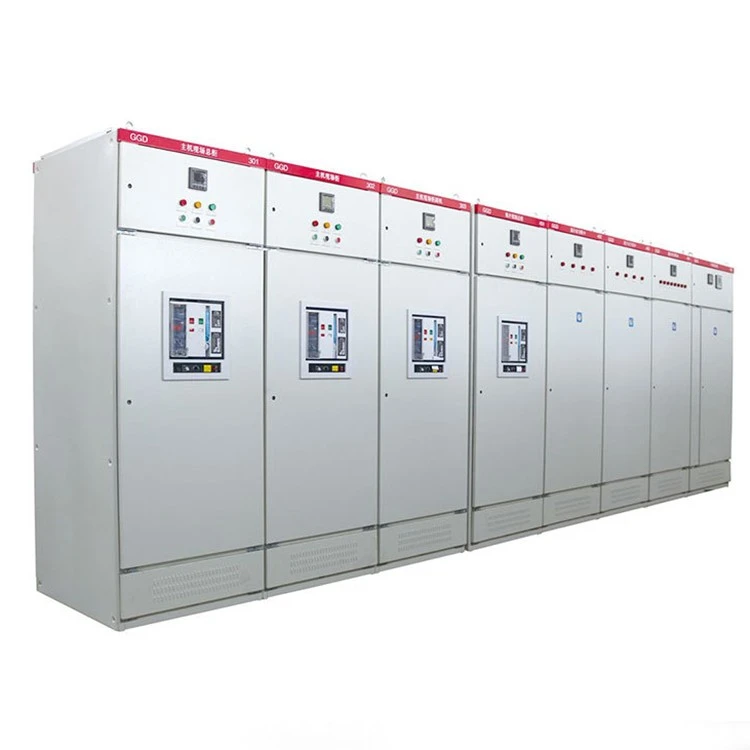
In addition to the furnace recorder and the control system, a Furnace Distribution Cabinet is an important component of the furnace setup. The distribution cabinet is responsible for distributing power to the various components of the furnace, including the recorder, sensors, and control devices. It also provides protection against electrical faults and ensures the safe and reliable operation of the entire system.
Advantages of Our Furnace Recorders
As a supplier of furnace recorders, we offer products with several advantages. Our recorders are highly accurate and reliable, ensuring that the data collected is of the highest quality. They are also easy to install and operate, with user - friendly interfaces that allow operators to quickly access and analyze the recorded data.
Our furnace recorders are designed to be compatible with a wide range of sensors, allowing for the measurement and recording of multiple parameters. This flexibility makes them suitable for a variety of industrial applications. Additionally, our products are built to withstand harsh industrial environments, with robust construction and protection against dust, moisture, and temperature variations.
Contact Us for Procurement and Consultation
If you are in the market for a furnace recorder or need more information about our products and their capabilities, we invite you to contact us. Our team of experts is ready to assist you in selecting the right recorder for your specific needs, providing technical support, and answering any questions you may have. Whether you are looking to upgrade your existing furnace monitoring system or implement a new one, we can offer the solutions you need.
References
- "Industrial Furnace Handbook: Principles, Design, and Operation" by Peter W. Korb
- "Process Control and Instrumentation" by B. C. Nakra and K. K. Chaudhry
- "Furnace Technology and Operations" by various industry experts in the field of industrial furnaces.