

How to repair a damaged casting material frame?
Jul 31, 2026
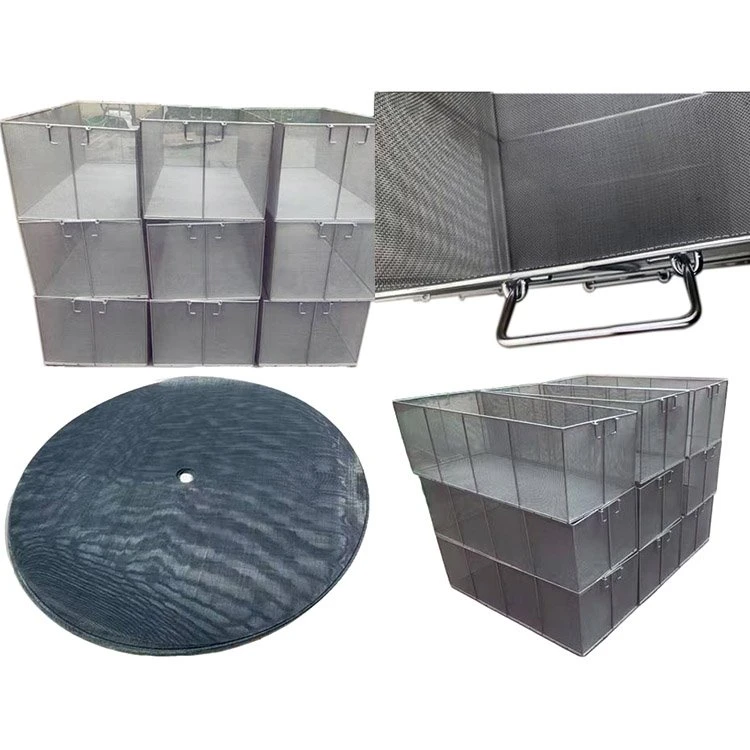
Repairing a damaged casting material frame is a crucial task for many industries that rely on these frames in their operations. As a supplier of Casting Material Frame, I've seen firsthand the importance of maintaining these frames in good working condition. In this blog post, I'll share some practical steps and tips on how to repair a damaged casting material frame.
Understanding the Casting Material Frame
Before we delve into the repair process, it's essential to understand what a casting material frame is and its role in industrial applications. A casting material frame is a structure that holds the casting materials during the casting process. It provides support and stability to the materials, ensuring that they are properly shaped and cooled. These frames are typically made from high - strength materials such as steel or other alloys to withstand the high temperatures and pressures involved in casting.
Assessing the Damage
The first step in repairing a damaged casting material frame is to conduct a thorough assessment of the damage. This involves visually inspecting the frame for any signs of cracks, bends, or other structural issues. You can use tools like calipers to measure the dimensions of the frame and check for any deviations from the original specifications.
- Cracks: Cracks are one of the most common types of damage in casting material frames. They can occur due to thermal stress, mechanical impact, or fatigue. Small cracks may not pose an immediate threat, but they can grow over time and lead to more significant structural problems.
- Bends and Deformations: Bends and deformations can affect the alignment of the frame and cause issues with the casting process. They can be caused by improper handling, overloading, or collisions.
- Wear and Tear: Over time, the frame may experience wear and tear, especially in areas that come into contact with the casting materials. This can lead to a reduction in the frame's strength and performance.
Gathering the Necessary Tools and Materials
Once you've assessed the damage, it's time to gather the tools and materials needed for the repair. Some of the common tools include:
- Welding equipment: If the damage involves cracks or breaks, welding may be required to repair the frame. Make sure you have the appropriate welding machine, electrodes, and safety gear.
- Grinding tools: Grinding tools are used to smooth the surfaces of the frame and remove any rough edges or debris. This is important for ensuring a proper fit and finish during the repair process.
- Measuring tools: As mentioned earlier, measuring tools like calipers and rulers are essential for checking the dimensions of the frame and ensuring that the repair is carried out accurately.
In addition to the tools, you'll also need the following materials:
- Replacement parts: Depending on the extent of the damage, you may need to replace some parts of the frame. This could include brackets, bolts, or other components.
- Filler materials: For filling in cracks or holes, you'll need filler materials such as welding rods or epoxy resin.
Repairing the Frame
Welding Repairs
If the damage involves cracks or breaks, welding is often the most effective way to repair the frame. Here are the steps involved in welding repairs:
- Prepare the Surface: Clean the area around the crack or break using a wire brush or grinder to remove any dirt, rust, or debris. This will ensure a good weld.
- Set Up the Welding Equipment: Select the appropriate welding machine and electrodes based on the type of material the frame is made of. Set the welding parameters according to the manufacturer's recommendations.
- Weld the Crack or Break: Use the welding machine to create a bead along the crack or break. Make sure to fill the entire crack and create a strong bond.
- Grind and Finish: After the weld has cooled, use a grinder to smooth the surface of the weld and remove any excess material. This will ensure a smooth and even finish.
Bending and Straightening
If the frame is bent or deformed, you may need to straighten it. This can be done using a hydraulic press or other bending tools. Here are the steps involved:
- Determine the Bending Point: Identify the point where the frame is bent and mark it.
- Apply Pressure: Use the hydraulic press or bending tool to apply pressure to the bending point. Gradually increase the pressure until the frame is straightened.
- Check the Alignment: After straightening the frame, use measuring tools to check the alignment and ensure that it meets the original specifications.
Replacing Parts
If some parts of the frame are damaged beyond repair, you'll need to replace them. Here are the steps involved:
- Remove the Damaged Part: Use a wrench or other tools to remove the damaged part from the frame.
- Install the New Part: Place the new part in the same position as the old one and secure it using bolts or other fasteners.
- Check the Fit: Make sure the new part fits properly and that there are no gaps or misalignments.
Preventive Maintenance
To avoid future damage to the casting material frame, it's important to implement a preventive maintenance program. This includes regular inspections, cleaning, and lubrication of the frame. You can also use Thermosensor Probe to monitor the temperature of the frame during the casting process and detect any potential issues early.
Using High - Quality Materials
Another way to improve the durability of the casting material frame is to use high - quality materials. For example, Corundum High Temperature Brick can be used in the construction of the frame to provide better resistance to high temperatures and wear.
Conclusion
Repairing a damaged casting material frame requires a systematic approach and the right tools and materials. By following the steps outlined in this blog post, you can effectively repair the frame and ensure its continued performance. If you're in need of high - quality casting material frames or any related products, feel free to contact us for more information and to discuss your procurement needs. We're here to help you find the best solutions for your industrial requirements.
References
- "Industrial Casting Handbook", published by XYZ Publishing
- "Materials Science for Casting Applications", by ABC Author