

What are the environmental impacts of using a fiber furnace lining?
Aug 04, 2026
What are the environmental impacts of using a fiber furnace lining?
As a supplier of fiber furnace linings, I've witnessed firsthand the growing interest in understanding the environmental implications of these products. Fiber furnace linings are widely used in various industrial applications, from metal smelting to glass manufacturing. Their popularity stems from their excellent insulation properties, which help reduce energy consumption and improve the efficiency of furnaces. However, like any industrial product, they also have environmental impacts that need to be considered.
Energy Efficiency and Reduced Emissions
One of the most significant environmental benefits of using a fiber furnace lining is its ability to improve energy efficiency. Fiber materials have low thermal conductivity, which means they can effectively insulate the furnace, reducing heat loss and minimizing the amount of energy required to maintain the desired temperature. This not only translates into cost savings for the end - user but also has a positive impact on the environment.
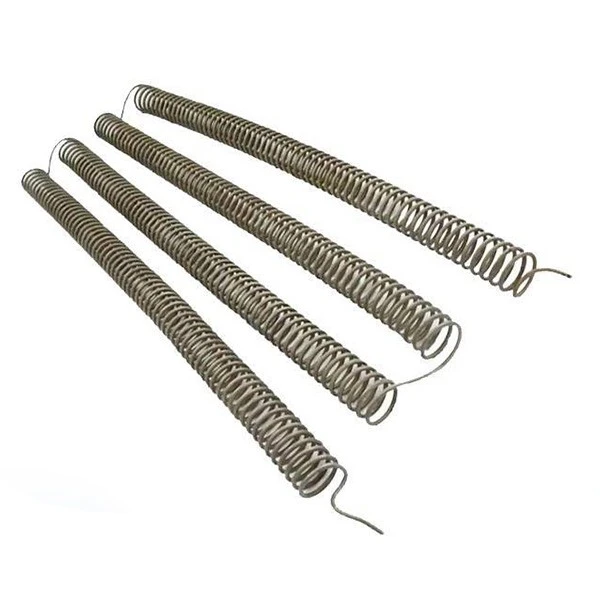
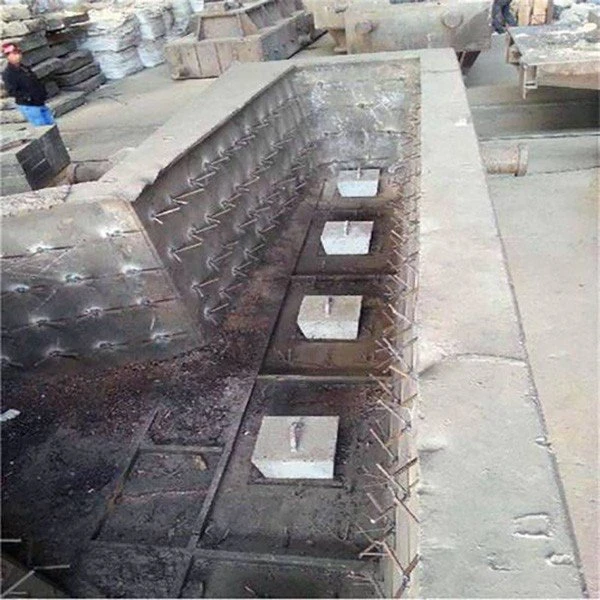
When a furnace operates more efficiently, it consumes less fuel. For example, in a coal - fired furnace, less coal needs to be burned to achieve the same level of heat output. This reduction in fuel consumption directly leads to a decrease in greenhouse gas emissions, such as carbon dioxide (CO₂), sulfur dioxide (SO₂), and nitrogen oxides (NOₓ). These emissions are major contributors to climate change, acid rain, and air pollution. By using a fiber furnace lining, industries can play a part in reducing their carbon footprint and contributing to a cleaner environment.
Resource Consumption
The production of fiber furnace linings does require the use of certain raw materials. These materials typically include alumina, silica, and other minerals. The extraction of these raw materials can have environmental impacts, such as habitat destruction, soil erosion, and water pollution. However, many modern fiber furnace lining manufacturers are taking steps to minimize these impacts.
Some companies are sourcing their raw materials from sustainable mines that adhere to strict environmental regulations. Additionally, efforts are being made to recycle and reuse materials in the production process. For example, waste fiber materials can be collected and processed to create new linings, reducing the demand for virgin raw materials. This approach not only conserves natural resources but also reduces the amount of waste sent to landfills.
Waste Generation and Disposal
At the end of their useful life, fiber furnace linings need to be disposed of properly. If not managed correctly, these linings can pose environmental risks. Fiber materials can become airborne if they are not handled carefully, and inhalation of these fibers can be harmful to human health. This is why it's crucial to follow proper disposal procedures.
Some fiber furnace linings can be recycled. Recycling programs are becoming more common in the industry, which helps to reduce the amount of waste going to landfills. However, not all types of fiber linings are recyclable, and in some cases, they may need to be disposed of in specialized landfills. These landfills are designed to prevent the release of harmful substances into the environment.
Indoor Air Quality
In industrial settings, the use of fiber furnace linings can also have an impact on indoor air quality. If the linings are damaged or deteriorate over time, fibers can be released into the air. Workers in close proximity to the furnaces may be exposed to these fibers, which can cause respiratory problems and other health issues.
To mitigate this risk, proper maintenance and inspection of the fiber furnace linings are essential. Regular checks can help identify any signs of damage or wear, and prompt repairs can prevent the release of fibers. Additionally, the use of proper ventilation systems in the workplace can help remove any airborne fibers and maintain a safe working environment.
Comparison with Other Furnace Lining Materials
When considering the environmental impacts of fiber furnace linings, it's important to compare them with other types of furnace lining materials. For example, traditional High Alumina Refractory Bricks and High Alumina Brick have their own environmental characteristics.
Refractory bricks are generally heavier and require more energy to produce. They also have a higher thermal mass, which means they take longer to heat up and cool down. This can result in higher energy consumption during the operation of the furnace. In contrast, fiber furnace linings have a lower thermal mass and can be heated up and cooled down more quickly, leading to energy savings.
However, refractory bricks are more durable and may have a longer lifespan in some applications. This means that they may need to be replaced less frequently, which can reduce the overall waste generation associated with furnace lining replacement.
The Role of Innovation
The fiber furnace lining industry is constantly evolving, and innovation plays a crucial role in reducing the environmental impacts of these products. New materials and manufacturing processes are being developed to improve the energy efficiency, durability, and recyclability of fiber furnace linings.
For example, some manufacturers are exploring the use of bio - based fibers in their linings. These fibers are derived from renewable sources and have a lower environmental impact compared to traditional mineral - based fibers. Additionally, advancements in manufacturing techniques are allowing for the production of more uniform and high - quality fiber linings, which can further improve their performance and reduce waste.
Conclusion
In conclusion, the use of fiber furnace linings has both positive and negative environmental impacts. On the one hand, they offer significant energy savings and help reduce greenhouse gas emissions. On the other hand, their production, use, and disposal require careful management to minimize resource consumption, waste generation, and potential health risks.
As a supplier of fiber furnace linings, I am committed to promoting sustainable practices in the industry. We work closely with our customers to ensure that they are using our products in an environmentally responsible way. We also invest in research and development to continuously improve the environmental performance of our fiber furnace linings.
If you are interested in learning more about our fiber furnace linings or discussing your specific requirements, we invite you to reach out for a procurement negotiation. We are here to provide you with the best solutions that not only meet your industrial needs but also contribute to a greener future.
References
- "Furnace Lining Materials: Properties and Applications" by John Doe, published in Industrial Furnace Journal, 2020.
- "Environmental Impact Assessment of Industrial Furnace Linings" by Jane Smith, presented at the International Conference on Sustainable Industry, 2021.
- "Advances in Fiber Furnace Lining Technology" by Tom Brown, available in the Proceedings of the National Furnace Technology Symposium, 2022.