

How to protect a resistance heating strip from overheating?
Jul 17, 2026
As a supplier of resistance heating strips, I frequently encounter concerns from customers about protecting these vital components from overheating. Overheating can not only reduce the lifespan of the heating strip but also pose significant safety risks. In this blog, I'll share some effective strategies to safeguard resistance heating strips from excessive heat, ensuring their optimal performance and longevity.
Understanding the Causes of Overheating
Before delving into protective measures, it's essential to understand the root causes of overheating in resistance heating strips. Several factors can contribute to this issue:
- Excessive Current: When the current flowing through the heating strip exceeds its rated capacity, it generates more heat than the strip can dissipate. This can occur due to improper electrical connections, voltage fluctuations, or overloading of the circuit.
- Poor Ventilation: Inadequate airflow around the heating strip can prevent heat from escaping, causing it to build up and reach dangerous temperatures. This is particularly common in enclosed spaces or when the heating strip is installed in close proximity to other heat-generating components.
- Contamination: Dust, dirt, and other contaminants can accumulate on the surface of the heating strip, reducing its ability to transfer heat efficiently. This can lead to overheating and premature failure of the strip.
- Mechanical Damage: Physical damage to the heating strip, such as bending, cracking, or abrasion, can disrupt the flow of current and cause localized overheating.
Protective Measures
Now that we understand the causes of overheating, let's explore some practical strategies to protect resistance heating strips:
1. Proper Sizing and Installation
- Select the Right Heating Strip: Choose a heating strip with the appropriate wattage and voltage rating for your application. This ensures that the strip operates within its designed parameters and minimizes the risk of overheating.
- Follow Installation Guidelines: Adhere to the manufacturer's installation instructions carefully. Ensure that the heating strip is properly secured, and all electrical connections are tight and free of corrosion. Avoid installing the strip in areas with high humidity or where it may come into contact with flammable materials.
2. Thermal Protection Devices
- Thermostats: Install a thermostat to regulate the temperature of the heating strip. A thermostat can sense the temperature and automatically turn the strip on or off to maintain a set temperature. This helps prevent overheating and ensures consistent performance.
- Overheat Protectors: Use overheat protectors, such as thermal fuses or circuit breakers, to provide an additional layer of protection. These devices are designed to interrupt the electrical circuit if the temperature of the heating strip exceeds a safe level, preventing damage and potential hazards.
3. Adequate Ventilation
- Ensure Proper Airflow: Provide sufficient ventilation around the heating strip to allow heat to dissipate effectively. This can be achieved by installing fans, vents, or heat sinks. Avoid blocking the airflow or installing the strip in enclosed spaces without proper ventilation.
- Regular Maintenance: Keep the area around the heating strip clean and free of debris. Regularly inspect the ventilation system to ensure it is functioning properly and remove any obstructions that may impede airflow.
4. Contamination Prevention
- Clean the Heating Strip: Regularly clean the surface of the heating strip to remove dust, dirt, and other contaminants. Use a soft brush or compressed air to gently clean the strip, taking care not to damage it.
- Protect from Moisture: Moisture can cause corrosion and damage to the heating strip. Ensure that the strip is installed in a dry environment and use moisture-resistant materials or coatings to protect it from humidity.
5. Monitoring and Maintenance
- Regular Inspections: Conduct regular inspections of the heating strip to check for signs of damage, wear, or overheating. Look for discoloration, cracks, or other abnormalities that may indicate a problem.
- Performance Testing: Periodically test the performance of the heating strip to ensure it is operating within its specified parameters. Use a thermometer or other temperature measuring device to monitor the temperature of the strip and compare it to the expected values.
The Role of Furnace Accessories
In addition to the above protective measures, certain furnace accessories can also help protect resistance heating strips from overheating. Here are some examples:
- High Alumina Refractory Bricks: These bricks are made from high-quality alumina materials and have excellent thermal insulation properties. They can be used to line the furnace or heating chamber, reducing heat loss and protecting the heating strip from excessive heat.
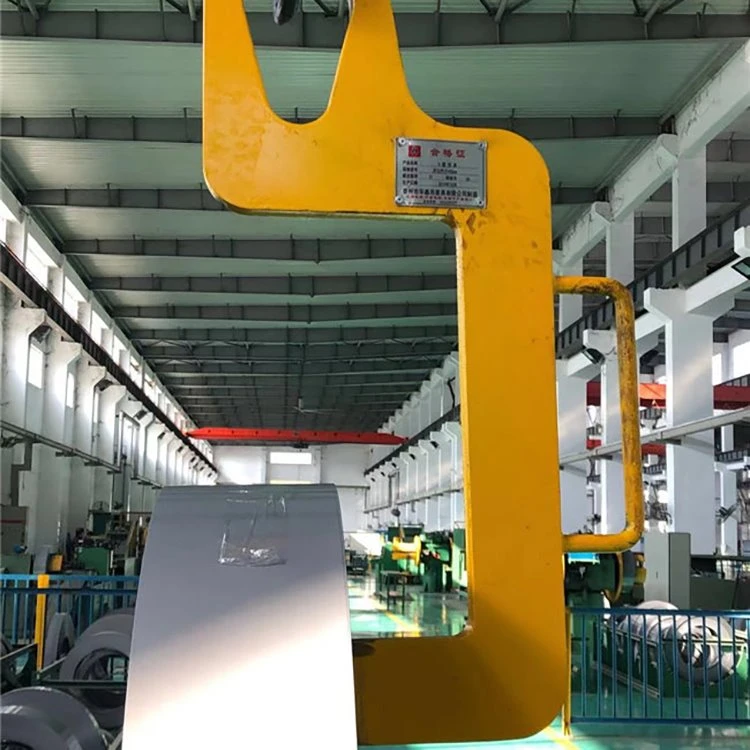
- Long Shaft Lifting Hanger: This hanger is designed to lift and position heavy objects in the furnace. It can be used to support the heating strip and prevent it from coming into contact with other components, reducing the risk of mechanical damage and overheating.
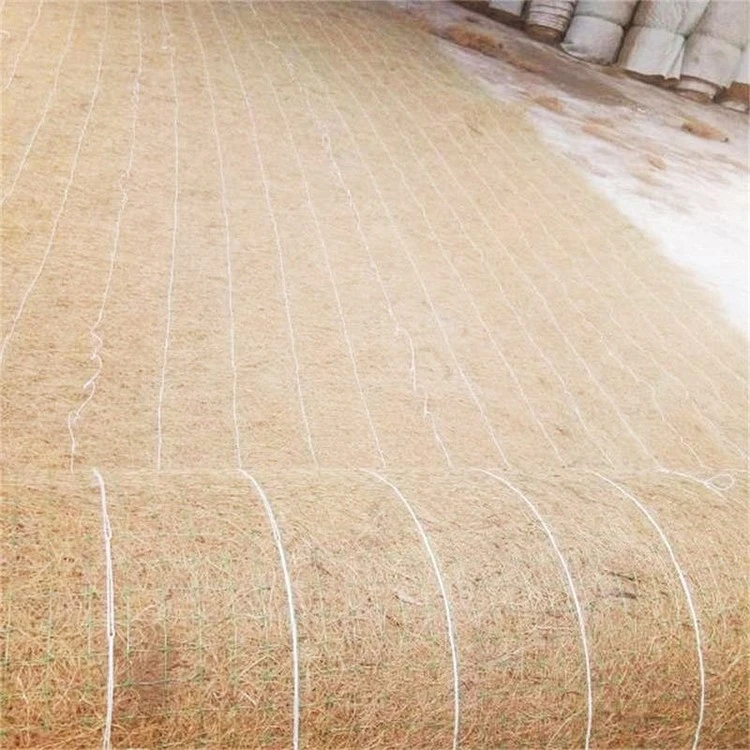
- Fiber Needled Insulation Blanket: This blanket is made from high-temperature resistant fibers and has excellent thermal insulation properties. It can be used to wrap the heating strip or line the furnace walls, reducing heat transfer and protecting the strip from overheating.
Conclusion
Protecting resistance heating strips from overheating is crucial for ensuring their optimal performance and longevity. By understanding the causes of overheating and implementing the appropriate protective measures, you can minimize the risk of damage and ensure the safe and efficient operation of your heating system. As a supplier of resistance heating strips, I am committed to providing high-quality products and expert advice to help you protect your investment. If you have any questions or need further assistance, please don't hesitate to contact me for a procurement discussion.
References
- [Manufacturer's Installation and Operation Manual for Resistance Heating Strips]
- [Thermal Engineering Principles and Applications]
- [Electrical Safety Standards and Guidelines]