

What is the magnetic property of a pit furnace heating element?
Jul 28, 2026
Hey there! As a supplier of Pit Furnace Heating Elements, I often get asked about the magnetic properties of these elements. So, let's dive right in and explore what makes these heating elements tick when it comes to magnetism.
First off, what exactly is a pit furnace heating element? Well, it's a crucial component in pit furnaces, which are often used for heat treatment processes like annealing, tempering, and hardening. These elements are designed to generate heat, reaching high temperatures to ensure the proper treatment of materials.
Now, let's talk about magnetism. The magnetic property of a pit furnace heating element depends on several factors, mainly the material it's made of. Most pit furnace heating elements are made from materials like nickel - chromium (Ni - Cr) alloys or iron - chromium - aluminum (Fe - Cr - Al) alloys.
Ni - Cr alloys are known for their good electrical resistance and high - temperature stability. When it comes to magnetism, Ni - Cr alloys have a certain level of magnetic susceptibility. This means they can be influenced by an external magnetic field. However, their magnetic behavior is not as strong as some pure ferromagnetic materials like iron. In a pit furnace, the magnetic field generated by the Ni - Cr heating element is relatively weak. It's usually not strong enough to cause significant interference with other components in the furnace or the materials being treated.
On the other hand, Fe - Cr - Al alloys are also popular for pit furnace heating elements. These alloys have different magnetic properties compared to Ni - Cr alloys. Fe - Cr - Al alloys have a lower magnetic susceptibility, which means they are less affected by external magnetic fields. This can be an advantage in some applications where minimizing magnetic interference is crucial. For example, if you're treating materials that are sensitive to magnetic fields, using a Fe - Cr - Al heating element can help reduce the risk of unwanted magnetic effects.
The magnetic property of a heating element can also be affected by its shape and design. For instance, a coiled heating element may have a different magnetic field distribution compared to a straight - bar heating element. The coiled design can create a more concentrated magnetic field in the center of the coil, while a straight - bar element may have a more uniform magnetic field along its length.
Another aspect to consider is the operating temperature of the heating element. As the temperature of the element increases, its magnetic properties can change. In general, most materials lose their magnetic properties as they reach their Curie temperature. The Curie temperature is the temperature at which a ferromagnetic material becomes paramagnetic. For Ni - Cr and Fe - Cr - Al alloys used in pit furnace heating elements, the Curie temperature is well above the normal operating temperatures of the furnace. So, during normal operation, the magnetic properties of these elements remain relatively stable.
Now, let's talk about how these magnetic properties can impact the performance of a pit furnace. In some cases, the magnetic field generated by the heating element can interact with other components in the furnace, such as sensors or control systems. If the magnetic field is too strong, it can cause interference, leading to inaccurate readings or malfunction of these components. That's why it's important to choose the right heating element material and design to minimize these effects.
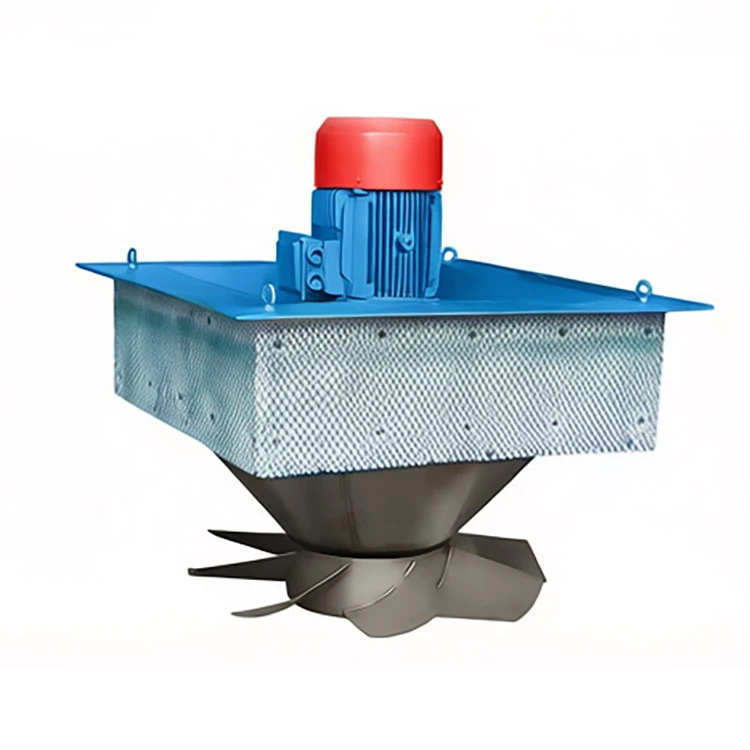
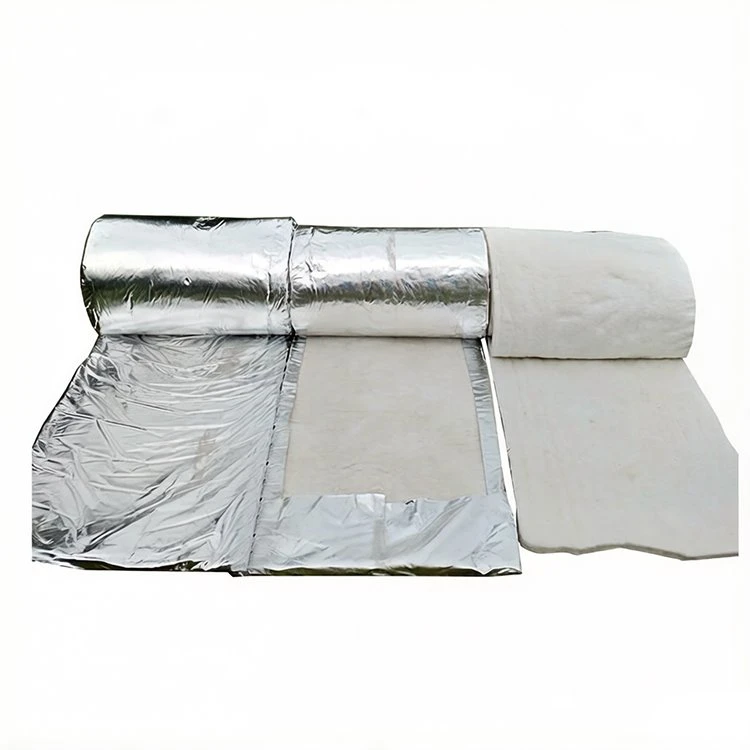
For example, if you're using a Fiber Needled Insulation Blanket in your pit furnace, you want to make sure that the magnetic field from the heating element doesn't interfere with its insulation properties. Similarly, a Resistance Heating Strip may be affected by the magnetic field if it's placed too close to the heating element. And a Sealed Water Cooling Fan could also experience issues if the magnetic field disrupts its motor operation.
As a supplier, I understand the importance of getting the magnetic properties of the heating element right. That's why we offer a range of pit furnace heating elements made from different materials and with various designs. Whether you need a heating element with low magnetic susceptibility for sensitive applications or one with a specific magnetic field distribution for a particular furnace setup, we've got you covered.
If you're in the market for a pit furnace heating element, or if you have any questions about the magnetic properties or other aspects of these elements, don't hesitate to reach out. We're here to help you make the best choice for your specific needs. Whether it's for a small - scale laboratory furnace or a large - scale industrial pit furnace, we can provide you with high - quality heating elements that meet your requirements.
Contact us today to start the conversation about your pit furnace heating element needs. We look forward to working with you and helping you achieve optimal performance in your heat treatment processes.
References
- "Handbook of Heat Treating Processes"
- "Materials Science and Engineering: An Introduction"