

What is the power supply requirement of a Sealed Water Cooling Fan?
Dec 31, 2099
Yo, what's up, folks! As a supplier of Sealed Water Cooling Fans, I've got plenty to share about these nifty devices, especially when it comes to their power supply requirements. So, let's dive right in and take a closer look at what makes these fans tick.
What's a Sealed Water Cooling Fan Anyway?
Before we get into the power stuff, let's quickly go over what a Sealed Water Cooling Fan is. These fans are designed to keep things cool, like industrial equipment or high - end computer systems. They use water as a coolant, and they're sealed to prevent leaks and keep the system running smoothly. It's a pretty smart setup that helps to maintain optimal temperatures and extend the lifespan of the equipment they're cooling.
Voltage Requirements
Now, let's talk about the power supply. The first thing to consider is the voltage. Sealed Water Cooling Fans can operate on different voltages, but the most common ones are 12V and 24V. If you're using them in a smaller system, like a home PC, a 12V fan might be your best bet. It's easy to work with and most motherboards can provide this voltage.
On the other hand, in industrial settings, 24V fans are more popular. They can handle higher loads and are more durable for continuous operation. When you're selecting a power supply for your fan, make sure it matches the voltage requirements of the fan. Using the wrong voltage can not only damage the fan but also pose a safety risk.
Let me give you an example. I once had a customer who tried to use a 12V power supply for a 24V Sealed Water Cooling Fan. The fan didn't work properly, and after a while, it just stopped functioning altogether. So, always double - check the voltage spec!
Current Draw
Another important factor is the current draw. The current is measured in amperes (A), and it tells you how much electrical power the fan needs to run. A higher current draw usually means the fan is more powerful and can move more air or water.
To calculate the power (in watts) that the fan consumes, you simply multiply the voltage by the current (P = V x I). So, if you have a 12V fan that draws 0.5A, the power consumption is 12V x 0.5A = 6W.
It's crucial to make sure your power supply can handle the current draw of the fan. If your power supply can't provide enough current, the fan may not run at its full capacity, or it might even stop working intermittently.
For instance, if you're using a bunch of Sealed Water Cooling Fans in a large system, you need to add up the current draws of all the fans and choose a power supply that can deliver that amount of current with some extra headroom. This ensures that the fans will operate smoothly and efficiently.
Power Supply Stability
The stability of the power supply is also a big deal. Fluctuations in voltage or current can cause problems for the Sealed Water Cooling Fan. A good power supply should provide a steady and consistent output.
Unstable power can lead to issues like fan speed variation, increased noise, and even reduced lifespan of the fan. I remember a situation where a customer was complaining about a noisy fan. After some investigation, we found out that the power supply was the culprit. It was delivering inconsistent voltage, causing the fan to speed up and slow down erratically.
To avoid these problems, it's recommended to use a high - quality power supply with good voltage regulation. These power supplies are designed to maintain a stable output even under different load conditions.
Compatibility with Other Components
When choosing a power supply for your Sealed Water Cooling Fan, you also need to consider its compatibility with other components in the system. For example, if you're using the fan in a computer system, you need to make sure the power supply has the right connectors.
Most modern fans use standard Molex or SATA connectors, which are commonly found on computer power supplies. However, if you're using an industrial fan, it may require a different type of connector. Make sure you check the fan's manual to see what kind of connectors are needed and then choose a power supply accordingly.
Related Products
There are also other related products in the industry that you might be interested in. If you're into furnace accessories, take a look at High - Alumina Ceramic Anchor. These anchors are used to hold refractory materials in place in furnaces.
Another great product is the Tempering Furnace Fan. It's designed to provide efficient air circulation in tempering furnaces, helping to maintain consistent temperatures.
The Pit Furnace Heating Element is essential for pit furnaces. It generates the heat needed for various heat - treating processes.
High Alumina Refractory Bricks are also very useful. They can withstand high temperatures and are often used in the lining of furnaces.
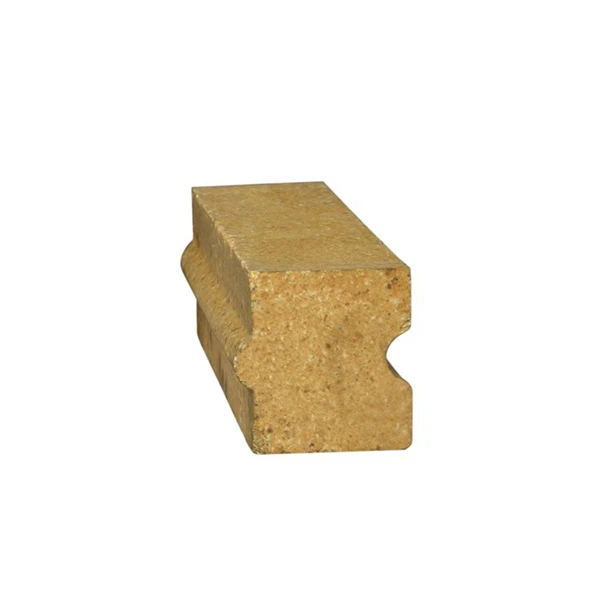

And don't forget about the High - Alumina Ceramic Tube, which has excellent electrical insulation and thermal properties.
Why Choose Our Sealed Water Cooling Fans?
We've been in the business for quite some time, and we know how to make top - notch Sealed Water Cooling Fans. Our fans are designed with the latest technology to ensure high efficiency and reliability. They're built to last, and we offer a wide range of models to suit different applications.
Whether you need a fan for a small PC or a large industrial system, we've got you covered. Our technical support team is always ready to help you choose the right fan and power supply for your needs.
Let's Do Business!
If you're interested in our Sealed Water Cooling Fans or have any questions about power supply requirements, don't hesitate to reach out. We're here to work with you and provide the best solutions for your cooling needs. Whether you're a small business owner or a large industrial company, we're looking forward to having a chat and seeing how we can help you.
References
- Some general knowledge about electrical engineering principles from textbooks
- Own experience as a Sealed Water Cooling Fan supplier