

What is the oil quenching in a quenching furnace?
Sep 22, 2026
Hey there, fellow industry enthusiasts! Today, I'm stoked to dive into the world of quenching furnaces and talk about one of the most crucial processes in heat treatment: oil quenching. As a quenching furnace supplier, I've seen firsthand how this process can transform materials and enhance their properties. So, let's get started!
What is Oil Quenching?
Oil quenching is a heat treatment process that involves rapidly cooling a heated metal workpiece by immersing it in a bath of oil. This sudden cooling, also known as quenching, causes the metal to undergo a phase transformation, which significantly changes its mechanical properties. The goal of oil quenching is to achieve a hard, wear-resistant surface while maintaining a tough core, making the metal suitable for a wide range of applications.
How Does Oil Quenching Work?
The oil quenching process typically consists of the following steps:
- Heating: The metal workpiece is first heated to a specific temperature, known as the austenitizing temperature. This temperature is usually above the critical point of the metal, where it transforms into austenite, a soft and ductile phase.
- Quenching: Once the workpiece reaches the austenitizing temperature, it is quickly removed from the furnace and immersed in a bath of quenching oil. The oil rapidly cools the workpiece, causing it to transform from austenite to martensite, a hard and brittle phase.
- Tempering: After quenching, the workpiece is usually tempered to reduce its brittleness and improve its toughness. Tempering involves heating the workpiece to a lower temperature and holding it there for a specific period of time. This process allows the martensite to transform into a more stable phase, such as tempered martensite or bainite.
Why Use Oil Quenching?
Oil quenching offers several advantages over other quenching methods, such as water quenching or air quenching. Some of the key benefits of oil quenching include:
- Controlled Cooling Rate: Oil has a lower cooling rate than water, which allows for more controlled quenching. This helps to reduce the risk of cracking and distortion in the workpiece, especially for complex shapes or large parts.
- Improved Surface Finish: Oil quenching produces a smoother surface finish than water quenching, which can reduce the need for additional machining or finishing operations.
- Enhanced Mechanical Properties: Oil quenching can significantly improve the hardness, strength, and wear resistance of the metal, making it suitable for a wide range of applications, such as automotive parts, tools, and machinery components.
- Versatility: Oil quenching can be used with a variety of metals, including steel, aluminum, and titanium, making it a versatile heat treatment process.
Types of Quenching Furnaces for Oil Quenching
As a quenching furnace supplier, we offer a range of furnaces that are specifically designed for oil quenching. Some of the most common types of quenching furnaces include:
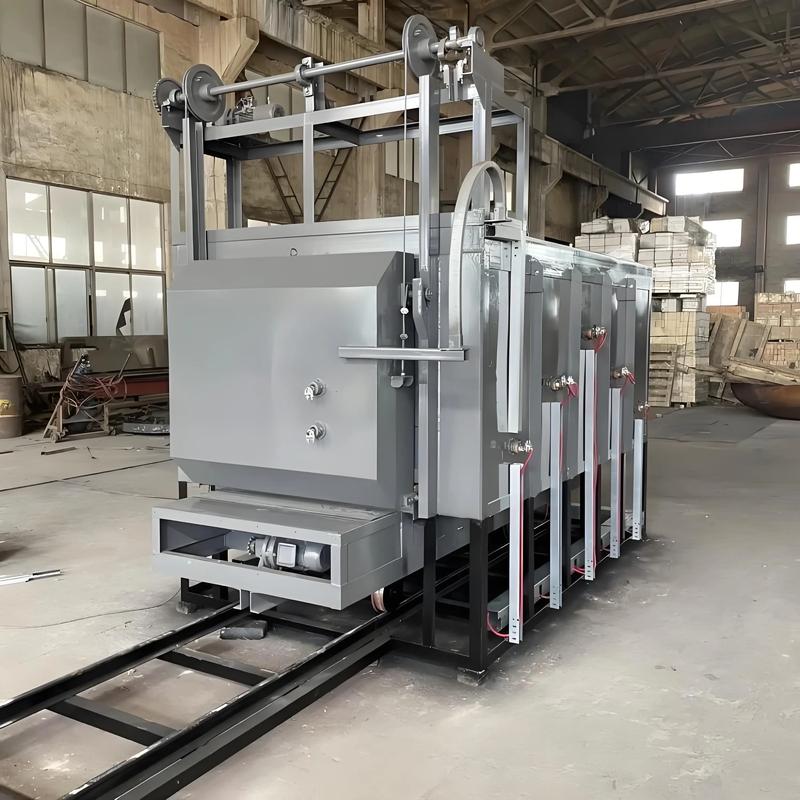
- All-fiber Quenching Furnace: These furnaces are constructed using high-quality ceramic fiber insulation, which provides excellent thermal efficiency and reduces energy consumption. All-fiber quenching furnaces are ideal for small to medium-sized workpieces and offer precise temperature control.
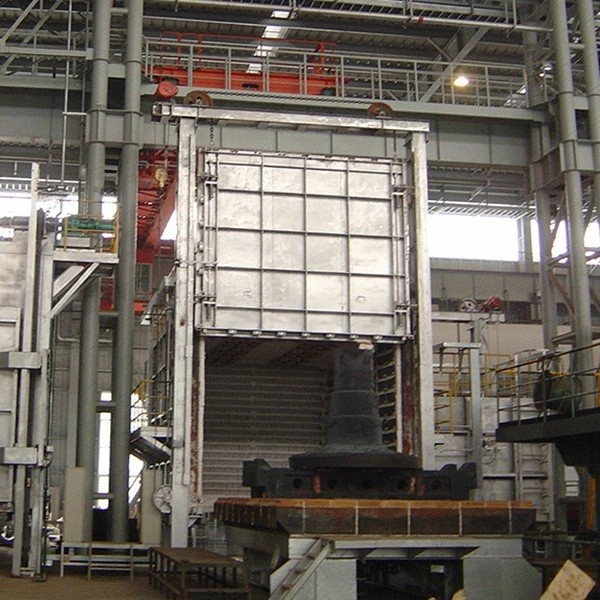
- Horizontal Quench Furnace: Horizontal quench furnaces are designed for larger workpieces or high-volume production. They feature a horizontal design, which allows for easy loading and unloading of the workpiece. Horizontal quench furnaces can be equipped with a variety of quenching systems, including oil quenching, water quenching, or air quenching.
- Aluminum Quenching Furnace: Aluminum quenching furnaces are specifically designed for the heat treatment of aluminum alloys. These furnaces are equipped with advanced temperature control systems and quenching technology to ensure precise and consistent results. Aluminum quenching furnaces are commonly used in the aerospace, automotive, and electronics industries.
Factors Affecting Oil Quenching
Several factors can affect the success of the oil quenching process, including:
- Oil Selection: The type of oil used for quenching can have a significant impact on the cooling rate and the final properties of the metal. Different oils have different cooling rates, viscosities, and flash points, so it's important to choose the right oil for the specific application.
- Quenching Temperature: The temperature at which the workpiece is quenched can also affect the cooling rate and the final properties of the metal. Quenching at too high a temperature can result in excessive hardness and brittleness, while quenching at too low a temperature can result in insufficient hardness.
- Workpiece Geometry: The shape and size of the workpiece can also affect the cooling rate and the final properties of the metal. Complex shapes or large parts may require special quenching techniques or fixtures to ensure uniform cooling.
- Quenching Time: The length of time the workpiece is immersed in the quenching oil can also affect the cooling rate and the final properties of the metal. Quenching for too long can result in excessive hardness and brittleness, while quenching for too short a time can result in insufficient hardness.
Conclusion
Oil quenching is a critical process in heat treatment that can significantly improve the mechanical properties of metals. As a quenching furnace supplier, we understand the importance of providing high-quality furnaces and equipment that are specifically designed for oil quenching. Whether you're looking for an all-fiber quenching furnace, a horizontal quench furnace, or an aluminum quenching furnace, we have the expertise and experience to help you find the right solution for your needs.
If you're interested in learning more about oil quenching or our quenching furnace products, please don't hesitate to contact us. We'd be happy to discuss your requirements and provide you with a free quote. Let's work together to achieve the best results for your heat treatment processes!
References
-ASM Handbook, Volume 4: Heat Treating
-Heat Treating Principles and Processes, by George E. Totten and M. Anthony Mackenzie
-Metals Handbook, Volume 9: Heat Treating