

How to ensure that a casting material frame meets the safety standards?
Nov 12, 2026
Ensuring that a casting material frame meets safety standards is of paramount importance in the manufacturing and industrial sectors. As a supplier of Casting Material Frames, I understand the gravity of this responsibility. In this blog post, I will share insights on how to ensure that a casting material frame complies with safety standards.
Understanding Safety Standards
Before delving into the steps to ensure compliance, it is essential to have a clear understanding of the safety standards relevant to casting material frames. These standards can vary depending on the industry, location, and the specific application of the frame. For instance, in the metal casting industry, standards may cover aspects such as load capacity, structural integrity, and resistance to high temperatures.

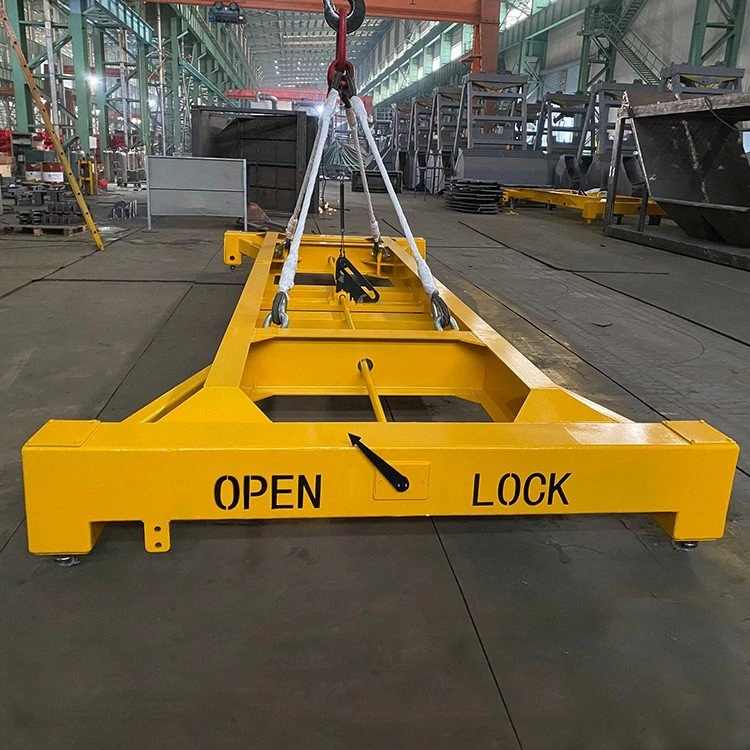
Regulatory bodies such as the Occupational Safety and Health Administration (OSHA) in the United States and the European Union's Machinery Directive set guidelines and requirements for industrial equipment, including casting material frames. These standards are designed to protect workers, prevent accidents, and ensure the quality and reliability of the equipment.
Design and Engineering
The first step in ensuring that a casting material frame meets safety standards is in the design and engineering phase. This involves a comprehensive analysis of the intended use of the frame, the loads it will be subjected to, and the environmental conditions it will operate in.
- Load Calculation: Accurately calculating the load capacity of the frame is crucial. This includes considering the weight of the casting materials, as well as any additional forces such as vibrations and impacts. Engineers must use appropriate mathematical models and simulation tools to determine the maximum load the frame can safely handle.
- Material Selection: Choosing the right materials is essential for the structural integrity of the frame. The materials should have sufficient strength, durability, and resistance to corrosion and heat. For example, high-strength steel alloys are commonly used in casting material frames due to their excellent mechanical properties.
- Structural Design: The design of the frame should ensure proper distribution of loads and minimize stress concentrations. This may involve the use of reinforced members, appropriate geometries, and welding techniques. Computer-aided design (CAD) software can be used to optimize the design and perform finite element analysis (FEA) to verify its structural performance.
Manufacturing and Quality Control
Once the design is finalized, the next step is to manufacture the casting material frame with strict quality control measures in place.
- Manufacturing Processes: The manufacturing processes used should comply with industry best practices and relevant standards. This includes processes such as cutting, welding, machining, and surface treatment. Welding, in particular, is a critical process that requires skilled welders and proper welding procedures to ensure strong and reliable joints.
- Inspection and Testing: During the manufacturing process, regular inspections and tests should be conducted to ensure that the frame meets the specified requirements. Non-destructive testing (NDT) methods such as ultrasonic testing, magnetic particle testing, and radiographic testing can be used to detect any internal defects in the materials or welds. Destructive testing, such as tensile testing and hardness testing, can also be performed to verify the mechanical properties of the materials.
- Quality Assurance System: Implementing a comprehensive quality assurance system is essential to ensure consistent quality throughout the manufacturing process. This system should include procedures for document control, process control, inspection and testing, and corrective and preventive actions.
Installation and Maintenance
Proper installation and maintenance of the casting material frame are also crucial for ensuring its safety and performance over its service life.
- Installation: The frame should be installed by qualified personnel following the manufacturer's installation instructions. This includes ensuring proper alignment, leveling, and anchoring of the frame to prevent any movement or instability during operation.
- Maintenance Schedule: A regular maintenance schedule should be established to inspect, clean, and lubricate the frame and its components. This will help to detect and address any potential issues before they lead to safety hazards. For example, regular inspection of the welds for signs of cracking or corrosion can prevent structural failures.
- Training and Education: Operators and maintenance personnel should receive proper training and education on the safe use and maintenance of the casting material frame. This includes training on how to identify potential safety hazards, how to operate the frame safely, and how to perform basic maintenance tasks.
Use of Compatible Furnace Accessories
In addition to ensuring the safety of the casting material frame itself, it is also important to use compatible furnace accessories. These accessories can enhance the performance and safety of the casting process. For example, Fiber Furnace Lining can provide excellent thermal insulation, reducing heat loss and improving energy efficiency. Carburizing Furnace Retort is used to contain the carburizing process, ensuring uniform heat treatment of the casting materials. High Alumina Brick is known for its high refractoriness and chemical stability, making it suitable for use in high-temperature furnaces. Tempering Furnace Fan helps to circulate the air inside the furnace, ensuring uniform temperature distribution. Long Shaft Lifting Hanger is used for safe and efficient lifting of heavy casting materials.
Continuous Improvement
Ensuring that a casting material frame meets safety standards is an ongoing process. It requires continuous improvement and adaptation to changing technologies, regulations, and industry best practices.
- Monitoring and Evaluation: Regular monitoring and evaluation of the frame's performance and safety should be conducted. This can involve collecting data on factors such as load capacity, temperature, and vibration, and analyzing this data to identify any trends or potential issues.
- Research and Development: Investing in research and development can help to improve the design, manufacturing, and safety of casting material frames. This may involve the development of new materials, manufacturing processes, and safety features.
- Feedback and Collaboration: Seeking feedback from customers, operators, and other stakeholders can provide valuable insights into the performance and safety of the frames. Collaborating with industry experts, regulatory bodies, and research institutions can also help to stay updated on the latest safety standards and best practices.
Conclusion
Ensuring that a casting material frame meets safety standards is a complex but essential task. It requires a comprehensive approach that encompasses design, engineering, manufacturing, installation, maintenance, and continuous improvement. By following the steps outlined in this blog post and using compatible furnace accessories, we can ensure that our casting material frames are safe, reliable, and of high quality.
If you are interested in purchasing casting material frames or have any questions about our products, please feel free to contact us for further discussions. We are committed to providing you with the best solutions for your casting needs.
References
- Occupational Safety and Health Administration (OSHA) standards related to industrial equipment.
- European Union's Machinery Directive.
- Industry best practices and guidelines for casting material frame design and manufacturing.