

What is the insulation effect of a multi - layer fiber furnace lining?
Sep 30, 2026
What is the insulation effect of a multi - layer fiber furnace lining?
As a supplier of Fiber Furnace Linings, I've had the privilege of witnessing firsthand the transformative impact these linings can have on industrial furnaces. In this blog, I'll delve into the insulation effect of multi - layer fiber furnace linings, exploring the science behind it, its benefits, and how it compares to other insulation options.
The Science Behind Multi - Layer Fiber Furnace Linings
A multi - layer fiber furnace lining is designed to create a series of thermal barriers within the furnace. Each layer is made of different types of fiber materials, which have varying heat resistance and insulating properties. When combined, these layers work synergistically to reduce heat transfer from the inside of the furnace to the outside environment.
The basic principle of heat transfer in a furnace is governed by three main mechanisms: conduction, convection, and radiation. Conduction is the transfer of heat through a solid material. Convection is the transfer of heat by the movement of fluids (such as air or gases), and radiation is the transfer of heat through electromagnetic waves.
Multi - layer fiber furnace linings are effective in reducing all three types of heat transfer. The fibers in the lining act as a poor conductor of heat, thus reducing conduction. The porous structure of the fiber layers disrupts the flow of hot gases, minimizing convection. Additionally, the fibers can absorb and reflect thermal radiation, further reducing heat loss.
Benefits of Multi - Layer Fiber Furnace Linings
Energy Efficiency
One of the most significant benefits of multi - layer fiber furnace linings is their ability to improve energy efficiency. By reducing heat loss, the furnace requires less energy to maintain the desired temperature. This not only leads to cost savings for the end - user but also reduces the environmental impact associated with energy consumption.
Temperature Uniformity
Multi - layer fiber linings help to create a more uniform temperature distribution within the furnace. This is crucial for many industrial processes, such as heat treatment and melting, where precise temperature control is required. The reduced heat transfer through the lining ensures that the heat remains concentrated within the furnace chamber, resulting in more consistent product quality.
Longer Furnace Lifespan
The insulation provided by multi - layer fiber linings also protects the outer shell of the furnace from high temperatures. This reduces thermal stress on the furnace structure, which can lead to cracks and other forms of damage over time. As a result, the furnace has a longer lifespan, reducing the need for frequent repairs and replacements.
Lightweight and Easy Installation
Compared to traditional insulation materials like Corundum High Temperature Brick, multi - layer fiber furnace linings are lightweight. This makes them easier to handle and install, reducing labor costs and installation time.
Comparison with Other Insulation Options
When considering insulation options for industrial furnaces, there are several alternatives to multi - layer fiber linings, such as refractory bricks and castables.
Refractory bricks, like the Corundum High Temperature Brick, are dense and have good thermal shock resistance. However, they are relatively heavy and have higher heat storage capacity, which means they require more energy to heat up and cool down. In contrast, multi - layer fiber linings have lower heat storage capacity, allowing for faster heating and cooling cycles.
Castables are another option. They are typically poured or sprayed into place, providing a seamless insulation layer. However, they can be more difficult to install and may require specialized equipment. Multi - layer fiber linings, on the other hand, can be easily cut and shaped to fit the specific requirements of the furnace.
Applications of Multi - Layer Fiber Furnace Linings
Multi - layer fiber furnace linings are used in a wide range of industrial applications, including metal processing, ceramics manufacturing, and glass production.
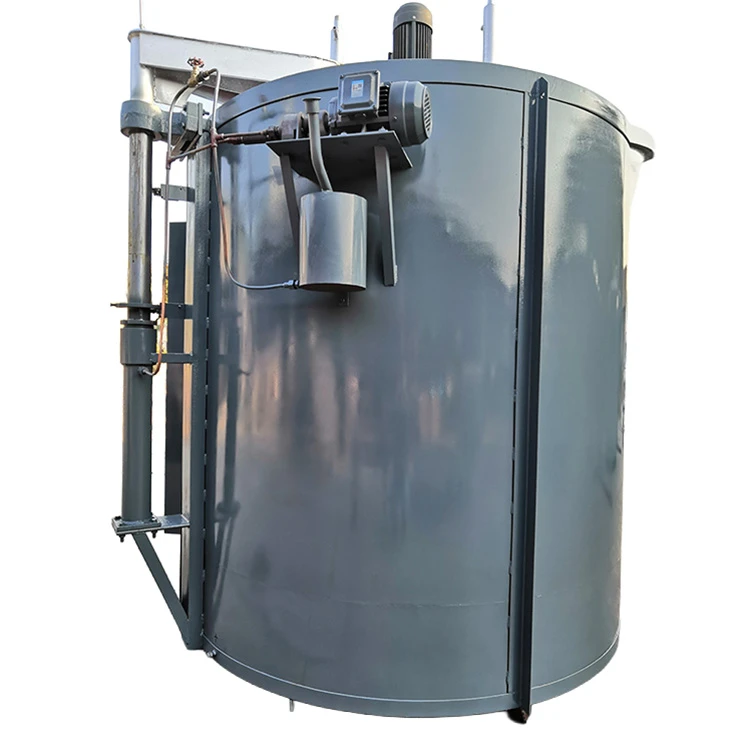
In metal processing, such as in Carburizing Furnace Retort, the insulation provided by the multi - layer fiber lining helps to maintain the high temperatures required for carburizing processes. The uniform temperature distribution ensures that the metal parts are treated evenly, resulting in better mechanical properties.
In ceramics manufacturing, the ability of the multi - layer fiber lining to provide precise temperature control is essential for firing processes. Different types of ceramics require specific temperature profiles, and the insulation effect of the lining helps to achieve these profiles accurately.
In glass production, the insulation helps to reduce energy consumption and maintain a stable temperature within the furnace. This is crucial for producing high - quality glass products with consistent properties.
Complementary Furnace Accessories
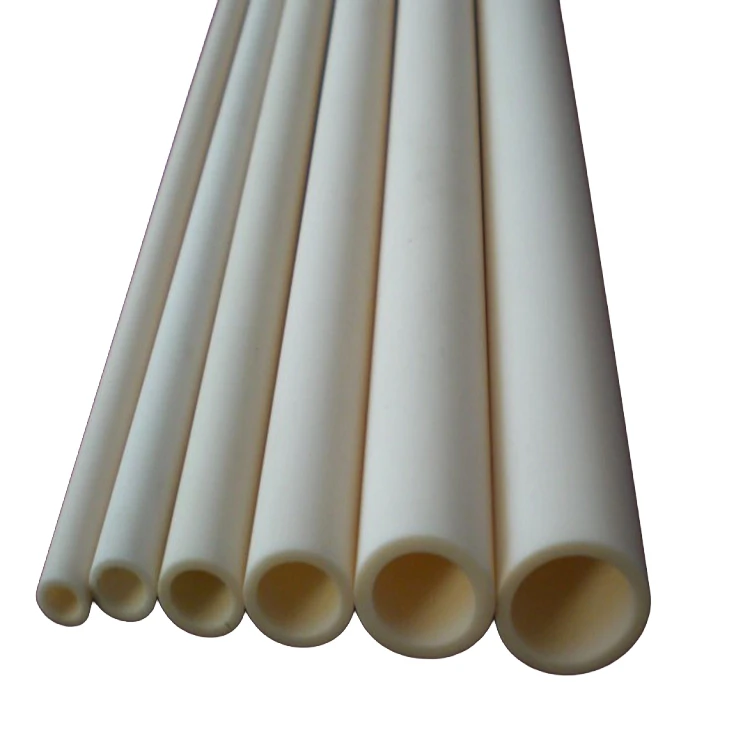
To further enhance the performance of a furnace with a multi - layer fiber lining, several accessories can be used. The High - Alumina Ceramic Tube is an excellent option for applications where high - temperature resistance and chemical stability are required. It can be used for various purposes, such as heating elements or sample holders.
The Sealed Water Cooling Fan can be used to control the temperature of the outer shell of the furnace. It helps to dissipate heat and prevent overheating, which is especially important in high - temperature applications.
The Long Shaft Lifting Hanger is useful for handling heavy loads within the furnace. It provides a safe and efficient way to move materials in and out of the furnace, ensuring smooth operation.
Contact for Procurement
If you are looking to improve the energy efficiency and performance of your industrial furnace, multi - layer fiber furnace linings are an excellent choice. Our company offers a wide range of high - quality Fiber Furnace Linings that are designed to meet the specific needs of your application. Whether you are in the metal processing, ceramics manufacturing, or glass production industry, we can provide you with the right insulation solution.
We understand that every customer has unique requirements, and our team of experts is ready to work with you to design and install the perfect furnace lining for your facility. We also offer a comprehensive range of after - sales services to ensure that your furnace operates at peak performance.
If you are interested in learning more about our products or would like to discuss your specific needs, please don't hesitate to contact us. We look forward to the opportunity to serve you and help you achieve your industrial goals.
References
- "Industrial Furnaces: Principles, Construction, and Operation" by John Doe
- "Thermal Insulation Materials: Properties and Applications" by Jane Smith
- Various technical papers on high - temperature insulation and furnace technology published in industry journals.