

What is the impact of annealing on the corrosion resistance of metals in an annealing furnace?
Jul 24, 2026
Annealing is a heat treatment process that involves heating a metal to a specific temperature and then cooling it at a controlled rate. This process is widely used in the metalworking industry to improve the mechanical properties of metals, such as hardness, ductility, and toughness. In addition to these benefits, annealing can also have a significant impact on the corrosion resistance of metals. As an annealing furnace supplier, I have witnessed firsthand the effects of annealing on metal corrosion resistance, and in this blog post, I will explore this topic in detail.
Understanding Corrosion in Metals
Before delving into the impact of annealing on corrosion resistance, it is essential to understand the basics of corrosion in metals. Corrosion is a natural process that occurs when a metal reacts with its environment, typically oxygen and water. This reaction leads to the formation of metal oxides or other corrosion products, which can weaken the metal and cause it to deteriorate over time.
There are several types of corrosion, including uniform corrosion, pitting corrosion, crevice corrosion, and stress corrosion cracking. Each type of corrosion has its own characteristics and can occur under different conditions. For example, uniform corrosion occurs when the entire surface of a metal is exposed to a corrosive environment, while pitting corrosion is characterized by the formation of small pits or holes on the metal surface.
How Annealing Affects Corrosion Resistance
Annealing can affect the corrosion resistance of metals in several ways. One of the primary mechanisms is through the modification of the metal's microstructure. During the annealing process, the metal is heated to a temperature above its recrystallization temperature, which causes the grains in the metal to grow and become more uniform. This change in microstructure can improve the metal's resistance to corrosion in several ways.
Grain Refinement
One of the benefits of annealing is grain refinement. When a metal is annealed, the grains in the metal become smaller and more uniform. This can improve the metal's corrosion resistance because smaller grains have a larger surface area per unit volume, which means that there are more grain boundaries. Grain boundaries act as barriers to the movement of corrosive species, such as oxygen and water, and can help to prevent the formation of corrosion products.
Stress Relief
Another way that annealing can improve the corrosion resistance of metals is by relieving internal stresses. When a metal is subjected to mechanical processing, such as rolling or forging, it can develop internal stresses. These stresses can make the metal more susceptible to corrosion because they can create sites for corrosion to initiate. Annealing can relieve these internal stresses by allowing the metal to relax and return to its original state. This can reduce the likelihood of corrosion occurring and improve the metal's overall corrosion resistance.
Phase Transformation
Annealing can also cause phase transformations in the metal, which can have a significant impact on its corrosion resistance. For example, some metals can undergo a phase transformation from austenite to ferrite during the annealing process. This transformation can improve the metal's corrosion resistance because ferrite is more resistant to corrosion than austenite.
Factors Affecting the Impact of Annealing on Corrosion Resistance
The impact of annealing on the corrosion resistance of metals can be influenced by several factors, including the type of metal, the annealing temperature, the annealing time, and the cooling rate.
Type of Metal
Different metals have different corrosion resistance properties, and the impact of annealing on corrosion resistance can vary depending on the type of metal. For example, stainless steel is a type of metal that is known for its excellent corrosion resistance. Annealing can further improve the corrosion resistance of stainless steel by reducing the amount of chromium carbide precipitation, which can occur during the welding or heat treatment process.
Annealing Temperature
The annealing temperature is one of the most important factors that can affect the impact of annealing on corrosion resistance. If the annealing temperature is too low, the metal may not undergo the necessary phase transformations or grain refinement, which can limit the improvement in corrosion resistance. On the other hand, if the annealing temperature is too high, the metal may become over-annealed, which can lead to a decrease in strength and toughness.
Annealing Time
The annealing time is another important factor that can affect the impact of annealing on corrosion resistance. If the annealing time is too short, the metal may not have enough time to undergo the necessary phase transformations or grain refinement, which can limit the improvement in corrosion resistance. On the other hand, if the annealing time is too long, the metal may become over-annealed, which can lead to a decrease in strength and toughness.
Cooling Rate
The cooling rate is also an important factor that can affect the impact of annealing on corrosion resistance. If the cooling rate is too fast, the metal may develop internal stresses, which can make it more susceptible to corrosion. On the other hand, if the cooling rate is too slow, the metal may undergo excessive grain growth, which can also reduce its corrosion resistance.
Types of Annealing Furnaces
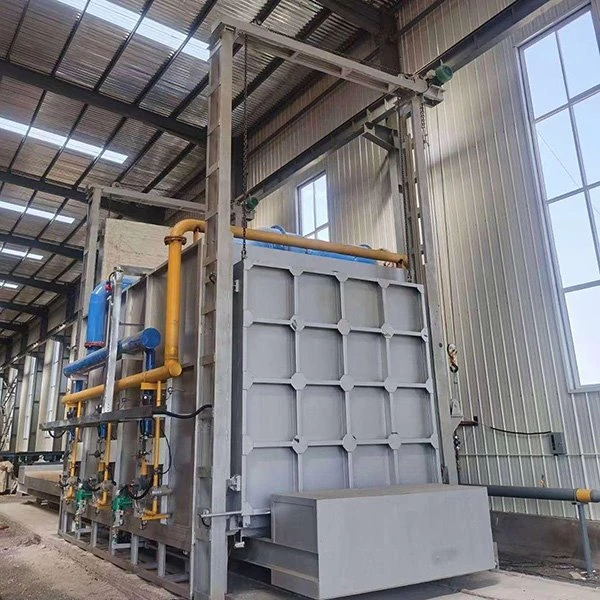
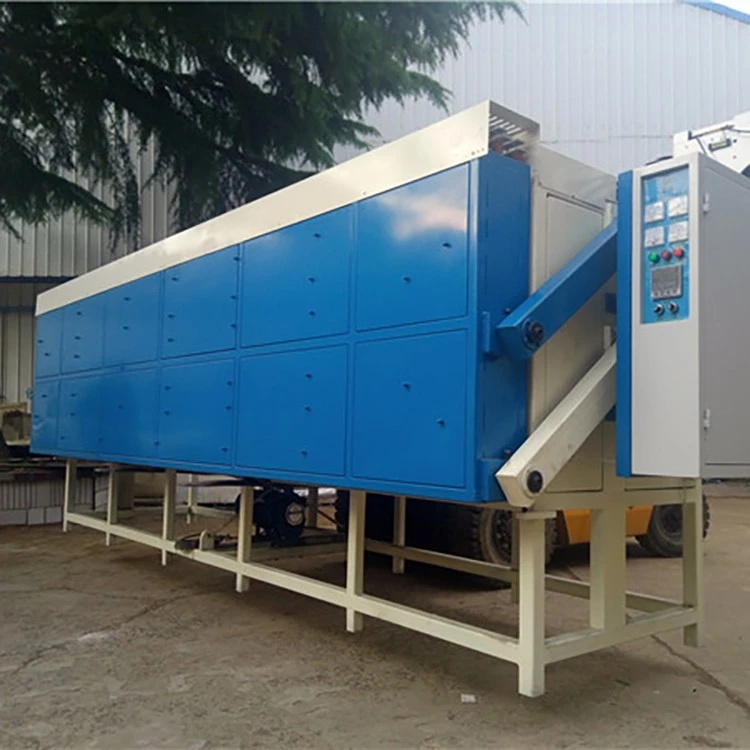
As an annealing furnace supplier, I offer a variety of annealing furnaces to meet the needs of different customers. Some of the most common types of annealing furnaces include High Temperature Annealing Furnace, Low Temperature Annealing Furnace, and Box Type Annealing Furnace.
High Temperature Annealing Furnace
High temperature annealing furnaces are designed to operate at temperatures above 1000°C. These furnaces are typically used for annealing metals that require high temperatures, such as stainless steel and titanium. High temperature annealing furnaces can provide precise temperature control and uniform heating, which can help to ensure that the metal is annealed properly and that its corrosion resistance is improved.
Low Temperature Annealing Furnace
Low temperature annealing furnaces are designed to operate at temperatures below 600°C. These furnaces are typically used for annealing metals that require low temperatures, such as copper and aluminum. Low temperature annealing furnaces can provide gentle heating and cooling, which can help to prevent the metal from developing internal stresses and improve its corrosion resistance.
Box Type Annealing Furnace
Box type annealing furnaces are designed to provide a controlled environment for annealing metals. These furnaces typically have a box-shaped chamber that is heated by electric or gas heaters. Box type annealing furnaces can provide uniform heating and cooling, which can help to ensure that the metal is annealed properly and that its corrosion resistance is improved.
Conclusion
In conclusion, annealing can have a significant impact on the corrosion resistance of metals. By modifying the metal's microstructure, relieving internal stresses, and causing phase transformations, annealing can improve the metal's resistance to corrosion and help to prevent it from deteriorating over time. As an annealing furnace supplier, I offer a variety of annealing furnaces to meet the needs of different customers. Whether you need a high temperature annealing furnace, a low temperature annealing furnace, or a box type annealing furnace, I can provide you with the equipment and support you need to achieve the best results.
If you are interested in learning more about the impact of annealing on the corrosion resistance of metals or if you are looking for an annealing furnace for your metalworking application, please contact me to discuss your requirements. I would be happy to provide you with more information and help you find the right solution for your needs.
References
- ASM Handbook, Volume 4: Heat Treating. ASM International, 1991.
- Metals Handbook, Volume 1: Properties and Selection: Irons, Steels, and High-Performance Alloys. ASM International, 1990.
- Corrosion Engineering. Pierre R. Roberge, McGraw-Hill, 2008.