

How to install a hood furnace?
Nov 05, 2026
Hey there! As a hood furnace supplier, I'm often asked about the ins and outs of installing these nifty pieces of equipment. So, I thought I'd put together a blog post to walk you through the process step by step. Whether you're a DIY enthusiast or a professional looking to expand your knowledge, this guide is for you.
Pre-Installation Preparations
Before you even start thinking about getting your hands dirty, there are a few things you need to take care of. First off, you gotta pick the right spot for your hood furnace. It's crucial to choose a well-ventilated area that's far away from any flammable materials. You don't want to end up with a fire hazard on your hands!
Next, check the electrical and gas connections. Make sure they're compatible with your furnace's requirements. If you're not sure, it's always a good idea to call in a professional electrician or gas fitter. They can ensure everything is up to code and safe to use.
Also, take the time to read the manufacturer's instructions and safety guidelines. These documents are like your roadmap to a successful installation. They'll tell you everything you need to know about your specific model, including any special tools or parts you might need.
Unpacking and Inspecting the Furnace
Once you've got the perfect spot picked out and all the necessary preparations done, it's time to unpack your furnace. Be careful when opening the packaging to avoid any damage to the unit. Take out all the parts and accessories and lay them out on a clean, flat surface.
Now, give the furnace a thorough inspection. Look for any signs of damage or missing parts. If you notice anything wrong, contact your supplier right away. It's better to address these issues before you start the installation process.
Assembling the Furnace
Depending on the type of hood furnace you've purchased, you may need to do some assembly. This could involve attaching the hood to the base, connecting the heating elements, or installing the controls. Again, refer to the manufacturer's instructions for detailed steps on how to assemble your specific model.
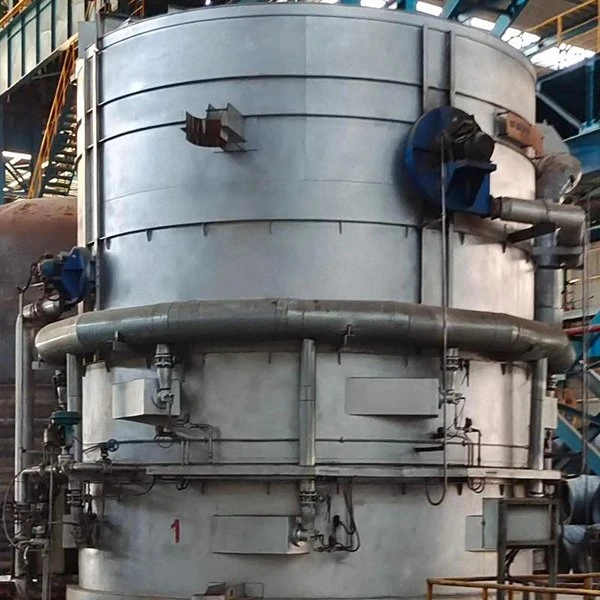
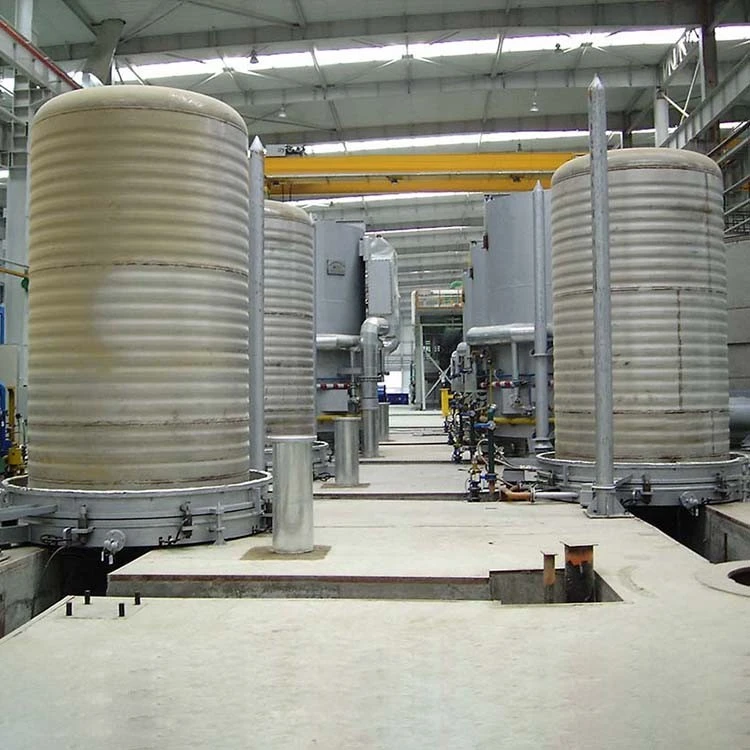
Some common types of hood furnaces include the Bell Type Heat Treatment Furnace, Full Fiber Lined Hood Furnace, Oil-fired Hood Furnace, Bell Type Annealing Furnace, and Movable Hood Furnace. Each type may have slightly different assembly requirements, so make sure you're following the correct instructions.
Connecting the Electrical and Gas Lines
Once the furnace is assembled, it's time to connect the electrical and gas lines. This is a critical step, so it's important to do it right. If you're not comfortable working with electricity or gas, don't hesitate to call in a professional.
For electrical connections, make sure you follow the wiring diagram in the manufacturer's instructions. Use the appropriate tools and materials to ensure a secure and reliable connection. Double-check all the connections to make sure they're tight and there are no loose wires.
When it comes to connecting the gas line, it's crucial to follow all the safety procedures. Make sure the gas valve is turned off before you start connecting the line. Use a pipe wrench to tighten the connections, but be careful not to over-tighten them. Once the connection is made, turn on the gas valve and check for any leaks using a gas leak detector. If you detect a leak, turn off the gas immediately and fix the problem before proceeding.
Installing the Ventilation System
A proper ventilation system is essential for the safe and efficient operation of your hood furnace. It helps to remove the exhaust gases and fumes from the furnace and keeps the air in your workspace clean and safe to breathe.
There are different types of ventilation systems available, depending on the size and type of your furnace. Some furnaces come with a built-in ventilation system, while others require a separate ventilation hood or ductwork to be installed.
When installing the ventilation system, make sure it's properly sized and designed to handle the exhaust from your furnace. Follow the manufacturer's instructions for installation and make sure all the connections are sealed tightly to prevent any leaks.
Testing the Furnace
Once the installation is complete, it's time to test the furnace. Before you turn it on, double-check all the connections and make sure everything is in place. Then, follow the manufacturer's instructions to start the furnace.
Let the furnace run for a few minutes and observe its operation. Check for any unusual noises, vibrations, or smells. Make sure the temperature control is working properly and that the furnace is heating up evenly.
If you notice any problems during the test, turn off the furnace immediately and contact a professional for assistance. It's better to address any issues early on to avoid any potential safety hazards or damage to the furnace.
Maintenance and Safety Tips
Now that your hood furnace is installed and running smoothly, it's important to keep it well-maintained to ensure its continued performance and longevity. Here are some maintenance and safety tips to keep in mind:
- Clean the furnace regularly: Remove any dirt, debris, or ash from the furnace using a soft brush or vacuum cleaner. This will help to prevent clogs and ensure proper airflow.
- Check the filters: If your furnace has filters, make sure to check them regularly and replace them as needed. Dirty filters can reduce the efficiency of the furnace and lead to poor air quality.
- Inspect the electrical and gas connections: Periodically inspect the electrical and gas connections to make sure they're tight and there are no signs of damage or corrosion.
- Follow the manufacturer's maintenance schedule: Refer to the manufacturer's instructions for specific maintenance recommendations and schedules. This may include tasks such as lubricating moving parts, checking the flame sensor, or adjusting the burner.
- Use the furnace safely: Always follow the safety guidelines and precautions provided by the manufacturer. Never leave the furnace unattended while it's in operation, and keep flammable materials away from the furnace.
Conclusion
Installing a hood furnace may seem like a daunting task, but with the right preparation and knowledge, it can be a relatively straightforward process. By following the steps outlined in this guide and referring to the manufacturer's instructions, you can ensure a successful installation and enjoy the benefits of a reliable and efficient furnace.
If you have any questions or need further assistance with your hood furnace installation, don't hesitate to reach out. As a supplier, we're here to help you every step of the way. Contact us to discuss your specific needs and explore our range of high-quality hood furnaces. We look forward to working with you!
References
- Manufacturer's instructions and safety guidelines for your hood furnace.
- Local building codes and regulations for furnace installation.