

How to ensure uniform heating in an electric furnace?
Nov 03, 2026
Ensuring uniform heating in an electric furnace is crucial for a wide range of industrial applications, from metal heat treatment to glass manufacturing. As a leading electric furnace supplier, we understand the challenges and complexities involved in achieving consistent temperature distribution throughout the furnace chamber. In this blog post, we will explore the key factors that influence uniform heating and provide practical solutions to help you optimize the performance of your electric furnace.
Understanding the Basics of Electric Furnace Heating
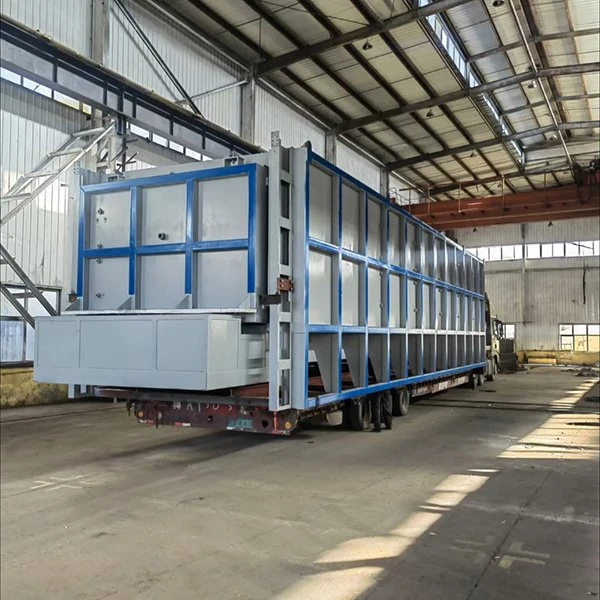
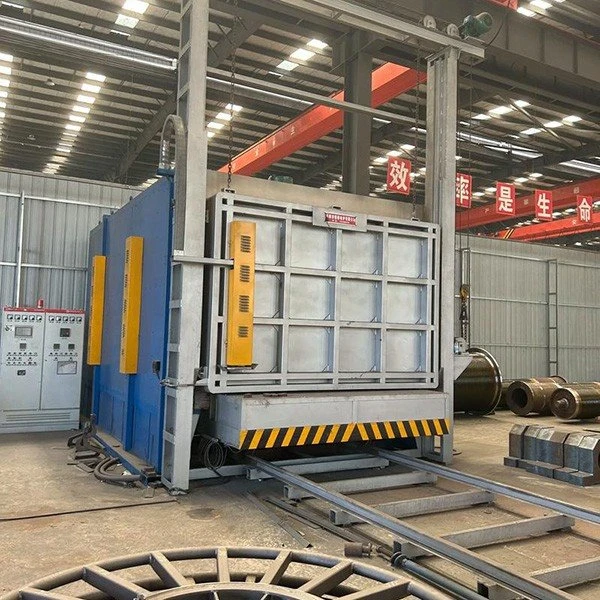
Before delving into the strategies for ensuring uniform heating, it's important to understand how electric furnaces work. Electric furnaces use electrical energy to generate heat, which is then transferred to the material being processed. There are several types of electric furnaces, including Hood Type Resistance Furnace, Well-type Resistance Furnace, Resistance Heating Furnace, Quenching Resistance Furnace, and Trolley Resistance Furnace. Each type has its own unique design and heating mechanism, but they all share the common goal of providing a controlled and uniform heat source.
The most common type of electric furnace is the resistance furnace, which uses electrical resistance to generate heat. In a resistance furnace, an electric current is passed through a resistor, which converts the electrical energy into heat. The heat is then transferred to the material being processed through conduction, convection, or radiation. The efficiency and effectiveness of the heating process depend on several factors, including the design of the furnace, the type of heating element, and the control system.
Factors Affecting Uniform Heating
Several factors can affect the uniformity of heating in an electric furnace. Understanding these factors is essential for identifying and addressing any issues that may arise. Here are some of the key factors to consider:
1. Heating Element Design and Placement
The design and placement of the heating elements play a critical role in determining the uniformity of heating. Heating elements should be evenly spaced and arranged to ensure that heat is distributed evenly throughout the furnace chamber. In addition, the type of heating element used can also affect the heating performance. For example, high-temperature alloy heating elements are more efficient and durable than traditional heating elements, but they may also be more expensive.
2. Furnace Insulation
Proper insulation is essential for maintaining a uniform temperature inside the furnace. Insulation helps to reduce heat loss and prevent hot spots from forming. The type and thickness of the insulation material used will depend on the operating temperature of the furnace and the specific application. In general, high-quality insulation materials such as ceramic fiber blankets and refractory bricks are recommended for electric furnaces.
3. Air Circulation
Air circulation is another important factor that affects the uniformity of heating. Proper air circulation helps to distribute heat evenly throughout the furnace chamber and prevent the formation of hot and cold spots. In some cases, fans or blowers may be used to improve air circulation inside the furnace. However, it's important to ensure that the air circulation system is designed and installed correctly to avoid any negative effects on the heating performance.
4. Load Placement and Configuration
The way the load is placed and configured inside the furnace can also affect the uniformity of heating. The load should be placed in such a way that it allows for proper air circulation and heat transfer. In addition, the load should be evenly distributed throughout the furnace chamber to ensure that all parts of the load are heated evenly.
5. Temperature Control System
A reliable temperature control system is essential for ensuring uniform heating in an electric furnace. The temperature control system should be able to accurately monitor and control the temperature inside the furnace to within a narrow range. In addition, the control system should be able to compensate for any temperature variations that may occur due to changes in the load or other factors.
Strategies for Ensuring Uniform Heating
Now that we have discussed the key factors that affect the uniformity of heating in an electric furnace, let's explore some practical strategies for ensuring uniform heating:
1. Optimize Heating Element Design and Placement
As mentioned earlier, the design and placement of the heating elements are critical for ensuring uniform heating. When designing or selecting a furnace, it's important to choose heating elements that are evenly spaced and arranged to ensure that heat is distributed evenly throughout the furnace chamber. In addition, the heating elements should be sized and rated appropriately for the specific application to ensure that they can provide the required amount of heat.
2. Improve Furnace Insulation
Proper insulation is essential for maintaining a uniform temperature inside the furnace. To improve furnace insulation, you can use high-quality insulation materials such as ceramic fiber blankets and refractory bricks. In addition, you can also seal any gaps or cracks in the furnace to prevent heat loss.
3. Enhance Air Circulation
Improving air circulation inside the furnace can help to distribute heat evenly and prevent the formation of hot and cold spots. To enhance air circulation, you can install fans or blowers inside the furnace. However, it's important to ensure that the air circulation system is designed and installed correctly to avoid any negative effects on the heating performance.
4. Optimize Load Placement and Configuration
The way the load is placed and configured inside the furnace can have a significant impact on the uniformity of heating. To optimize load placement and configuration, you should ensure that the load is evenly distributed throughout the furnace chamber and that there is sufficient space between the load and the heating elements to allow for proper air circulation and heat transfer.
5. Upgrade the Temperature Control System
A reliable temperature control system is essential for ensuring uniform heating in an electric furnace. To upgrade the temperature control system, you can install a more advanced controller that is able to accurately monitor and control the temperature inside the furnace to within a narrow range. In addition, you can also install temperature sensors at multiple locations inside the furnace to provide more accurate temperature readings.
Conclusion
Ensuring uniform heating in an electric furnace is essential for achieving consistent and high-quality results in a wide range of industrial applications. By understanding the key factors that affect the uniformity of heating and implementing the strategies outlined in this blog post, you can optimize the performance of your electric furnace and ensure that it operates at peak efficiency.
As a leading electric furnace supplier, we offer a wide range of high-quality electric furnaces and accessories that are designed to meet the specific needs of our customers. If you have any questions or need further information about our products or services, please don't hesitate to contact us. We look forward to working with you to help you achieve your heating goals.
References
- ASM Handbook, Volume 4: Heat Treating, ASM International, 1991.
- Electric Furnace Handbook: Design, Construction, and Operation, McGraw-Hill, 1971.
- Industrial Heat Treating Handbook: Processes and Applications, CRC Press, 2009.