

Are there different grades of fiber furnace linings?
Sep 04, 2026
In the industrial furnace industry, fiber furnace linings play a crucial role in ensuring the efficiency, safety, and longevity of furnaces. As a supplier of fiber furnace linings, I often encounter questions from customers about the different grades of these linings. This blog post aims to explore whether there are indeed different grades of fiber furnace linings, the factors that determine these grades, and their implications for various industrial applications.
Understanding Fiber Furnace Linings
Fiber furnace linings are insulating materials made from ceramic fibers. These fibers are formed into blankets, boards, modules, or other shapes and installed inside furnaces to reduce heat loss, maintain high temperatures, and protect the furnace structure from thermal stress. Fiber furnace linings are widely used in various industries, including steel, glass, ceramics, and heat treatment, due to their excellent thermal insulation properties, low thermal conductivity, and resistance to high temperatures.
Are There Different Grades of Fiber Furnace Linings?
The answer is yes. There are different grades of fiber furnace linings, and these grades are determined by several factors, including:
1. Temperature Resistance
One of the most critical factors in determining the grade of a fiber furnace lining is its temperature resistance. Different industrial processes require furnaces to operate at different temperatures, and the fiber lining must be able to withstand these temperatures without significant degradation. For example, low - grade fiber linings may be suitable for applications with operating temperatures up to 1000°C, while high - grade linings can withstand temperatures exceeding 1400°C. High - temperature resistant linings are often made from more advanced ceramic fibers, such as alumina - silica fibers with a higher alumina content, which provide better thermal stability at extreme temperatures.
2. Chemical Resistance
In addition to temperature, the chemical environment inside the furnace can also affect the performance of the fiber lining. Some industrial processes involve the use of corrosive gases, molten metals, or other chemicals that can react with the fiber material. Higher - grade fiber linings are designed to be more chemically resistant, which prevents them from being damaged by these substances. For instance, in a furnace used for melting aluminum, a lining with good resistance to molten aluminum is essential. Fluoride - or zirconia - added ceramic fibers are sometimes used in high - grade linings to enhance their chemical resistance.
3. Density and Thickness
The density and thickness of the fiber furnace lining also contribute to its grade. Higher - density linings generally have better insulating properties and mechanical strength. They can better withstand mechanical stress from furnace operations, such as the movement of materials inside the furnace or the impact of loading and unloading processes. Thicker linings can also provide additional insulation, reducing heat transfer through the furnace walls. For some high - performance applications, special density - graded linings are used, where the density gradually changes from the hot face to the cold face of the lining to optimize thermal performance.
4. Thermal Conductivity
Thermal conductivity is a measure of how easily heat can pass through a material. Lower thermal conductivity means better insulation. High - grade fiber furnace linings typically have lower thermal conductivity values. This is achieved through the use of advanced fiber manufacturing techniques and the selection of high - quality raw materials. By reducing heat loss, these linings improve the energy efficiency of the furnace, which can lead to significant cost savings over the long term.
Applications of Different Grades of Fiber Furnace Linings
The different grades of fiber furnace linings are suitable for a wide range of industrial applications:
Low - Grade Linings
Low - grade fiber furnace linings are often used in applications where the operating temperature is relatively low and the chemical environment is not too harsh. For example, they can be used in small - scale heat treatment furnaces, some drying ovens, or preheating zones. These linings are cost - effective and can provide basic insulation in these less demanding applications.
Medium - Grade Linings
Medium - grade linings are suitable for applications with moderate temperature requirements and some chemical exposure. They are commonly used in general - purpose industrial furnaces, such as tempering furnaces. The Tempering Furnace Fan often works in conjunction with these linings to ensure uniform heat distribution within the furnace. Medium - grade linings can also be found in some ceramic kilns and small - to - medium - sized steel forging furnaces.
High - Grade Linings
High - grade fiber furnace linings are reserved for the most extreme industrial applications. In the steel industry, they are used in large - scale electric arc furnaces and ladle furnaces, where temperatures can reach over 1600°C. In the glass manufacturing industry, high - grade linings are essential for glass melting furnaces, which operate at high temperatures for long periods. Additionally, high - grade linings are also used in some advanced heat treatment processes, such as vacuum heat treatment furnaces. These applications often require linings with high - temperature resistance, excellent chemical stability, and low thermal conductivity.
Ultra - High - Grade Linings
Some specialized industrial processes demand ultra - high - grade fiber furnace linings. These linings are designed for applications with extremely high temperatures and aggressive chemical environments. For example, in the aerospace and defense industries, where materials are heat - treated under extreme conditions, ultra - high - grade linings are used. These linings may incorporate advanced materials like Corundum High Temperature Brick to enhance their performance.
Quality Assurance and Testing
As a fiber furnace lining supplier, we understand the importance of quality assurance. All our linings, regardless of grade, undergo rigorous testing to ensure they meet the required standards. We use advanced testing equipment, such as Thermosensor Probe to measure the temperature resistance and thermal conductivity of the linings. Chemical analysis is also performed to verify the purity and chemical stability of the fibers.
Installation and Maintenance
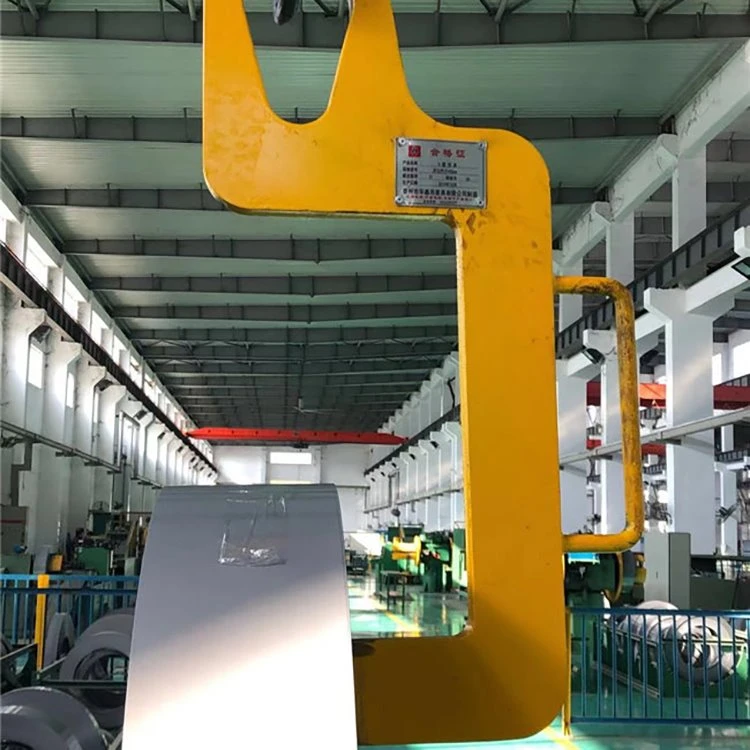
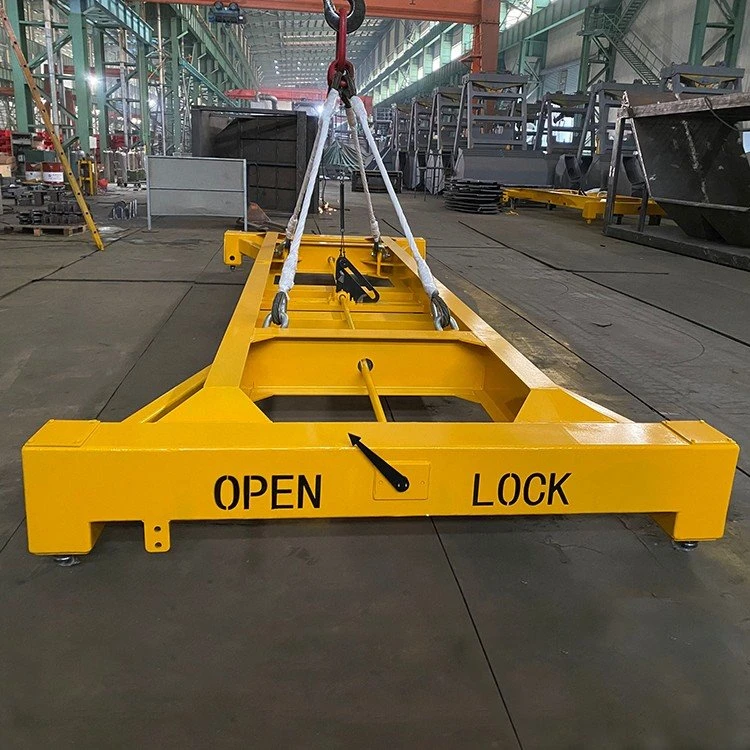
Proper installation and maintenance are crucial for the performance of fiber furnace linings. Even high - grade linings can fail if they are not installed correctly. Our company provides professional installation services to ensure that the linings are installed in accordance with the furnace design and operating requirements. During installation, we use tools like Long Shaft Lifting Hanger and Casting Material Frame to ensure a secure and precise fit.
Regular maintenance is also necessary to extend the lifespan of the linings. This includes inspecting the linings for damage, such as cracks or erosion, and replacing any damaged sections in a timely manner. We offer maintenance training and support to our customers to help them keep their furnaces in optimal condition.
Conclusion
In conclusion, there are indeed different grades of fiber furnace linings, and these grades are determined by factors such as temperature resistance, chemical resistance, density, and thermal conductivity. Each grade is suitable for different industrial applications, from low - temperature, less - demanding processes to high - temperature, aggressive environments. As a fiber furnace lining supplier, we are committed to providing high - quality linings that meet the diverse needs of our customers. Whether you are looking for a low - cost solution for a small - scale operation or a high - performance lining for a large - scale industrial furnace, we have the right product for you.
If you are interested in purchasing fiber furnace linings or have any questions about our products, please feel free to contact us for a detailed consultation and personalized quotation. Our team of experts is ready to assist you in finding the most suitable lining for your specific application.
References
- "Ceramic Fiber Insulation Handbook", Industrial Insulation Manufacturers Association.
- "High - Temperature Materials and Their Applications", Academic Press.
- "Furnace Design and Operation: Principles and Practices", CRC Press.