

How to protect a pit furnace heating element from vibration?
Sep 02, 2026
Hey there! As a supplier of Pit Furnace Heating Elements, I've seen firsthand how vibration can be a real pain in the neck for these crucial components. Vibration can lead to premature wear and tear, reduced efficiency, and even complete failure of the heating element. So, today, I'm going to share some tips on how to protect your pit furnace heating element from vibration.
Understanding the Impact of Vibration on Pit Furnace Heating Elements
Before we dive into the solutions, let's take a quick look at why vibration is such a big deal for pit furnace heating elements. Vibration can cause mechanical stress on the heating element, leading to cracks, breaks, and other forms of damage. This can not only reduce the lifespan of the heating element but also affect the performance of the furnace.
In addition to mechanical stress, vibration can also cause electrical issues. The constant movement can loosen electrical connections, leading to poor conductivity and potential short circuits. This can not only damage the heating element but also pose a safety hazard.
Identifying the Sources of Vibration
The first step in protecting your pit furnace heating element from vibration is to identify the sources of vibration. There are several common sources of vibration in a pit furnace, including:
- Furnace fans: Tempering Furnace Fan can generate significant vibration, especially if they are not properly balanced or installed.
- Motor vibrations: The motors that power the furnace and its accessories can also generate vibration, which can be transmitted to the heating element.
- External sources: Vibration from nearby machinery, equipment, or even traffic can also affect the performance of the pit furnace heating element.
Implementing Vibration Isolation Measures
Once you've identified the sources of vibration, the next step is to implement vibration isolation measures to protect your pit furnace heating element. Here are some effective vibration isolation techniques:
- Use vibration isolators: Vibration isolators are devices that are designed to absorb and dampen vibration. They can be installed between the furnace and its support structure to reduce the transmission of vibration to the heating element. There are several types of vibration isolators available, including rubber mounts, spring isolators, and air springs.
- Install anti-vibration pads: Anti-vibration pads are another effective way to reduce vibration. They can be placed under the furnace and its accessories to absorb and dampen vibration. Anti-vibration pads are available in a variety of materials, including rubber, neoprene, and cork.
- Balance rotating equipment: If the vibration is being generated by rotating equipment, such as fans or motors, it's important to ensure that the equipment is properly balanced. Unbalanced rotating equipment can generate significant vibration, which can be transmitted to the heating element. Balancing the rotating equipment can help to reduce vibration and improve the performance of the furnace.
Choosing the Right Heating Element Material
The material of the heating element can also play a role in its resistance to vibration. Some materials are more prone to vibration-induced damage than others. When choosing a heating element for your pit furnace, it's important to consider the following factors:
- Strength and durability: The heating element should be made of a material that is strong and durable enough to withstand the mechanical stress caused by vibration. Materials such as nickel-chromium alloys and molybdenum disilicide are known for their strength and durability.
- Flexibility: The heating element should also be flexible enough to absorb and dampen vibration. Materials such as graphite and silicon carbide are known for their flexibility.
- Thermal expansion: The heating element should have a low coefficient of thermal expansion to reduce the risk of cracking and other forms of damage caused by thermal stress. Materials such as ceramic and refractory metals are known for their low coefficient of thermal expansion.
Proper Installation and Maintenance
Proper installation and maintenance are also crucial for protecting your pit furnace heating element from vibration. Here are some tips to ensure that your heating element is installed and maintained correctly:
- Follow the manufacturer's instructions: When installing the heating element, it's important to follow the manufacturer's instructions carefully. This will ensure that the heating element is installed correctly and that it is properly supported to reduce the risk of vibration-induced damage.
- Inspect the heating element regularly: Regular inspections of the heating element can help to identify any signs of damage or wear. If any issues are detected, they should be addressed immediately to prevent further damage.
- Clean the heating element regularly: Cleaning the heating element regularly can help to remove any dirt, debris, or other contaminants that can cause vibration. This will help to ensure that the heating element is operating efficiently and that it is not being damaged by vibration.
Using Additional Furnace Accessories
In addition to the above measures, there are several furnace accessories that can help to protect your pit furnace heating element from vibration. Here are some examples:
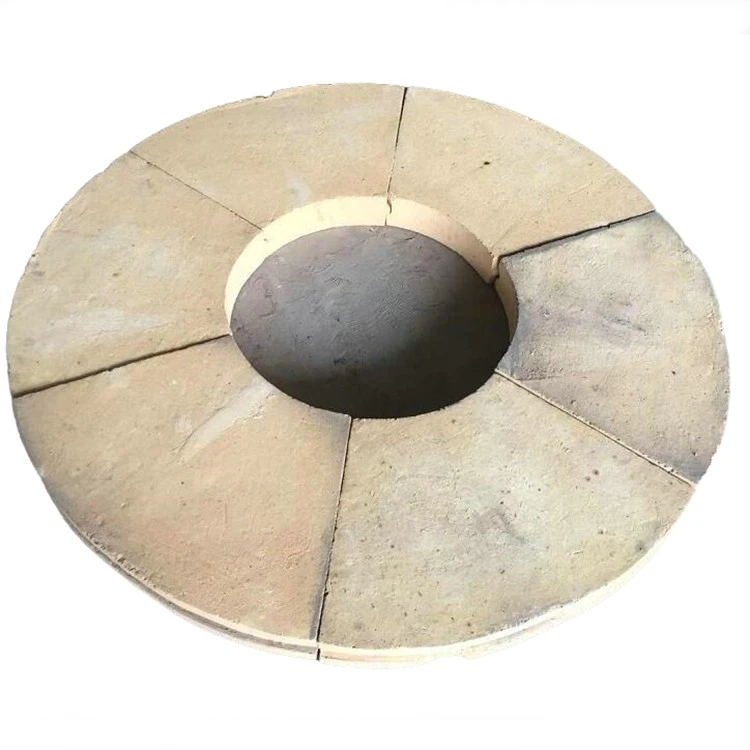
- Lightweight Fan-Shaped Brick: These bricks can be used to line the interior of the furnace to reduce vibration and improve insulation.
- Fiber Needled Insulation Blanket: This insulation blanket can be used to wrap the heating element to reduce vibration and improve thermal efficiency.
- High-Alumina Ceramic Anchor: These anchors can be used to secure the heating element in place and reduce the risk of vibration-induced movement.
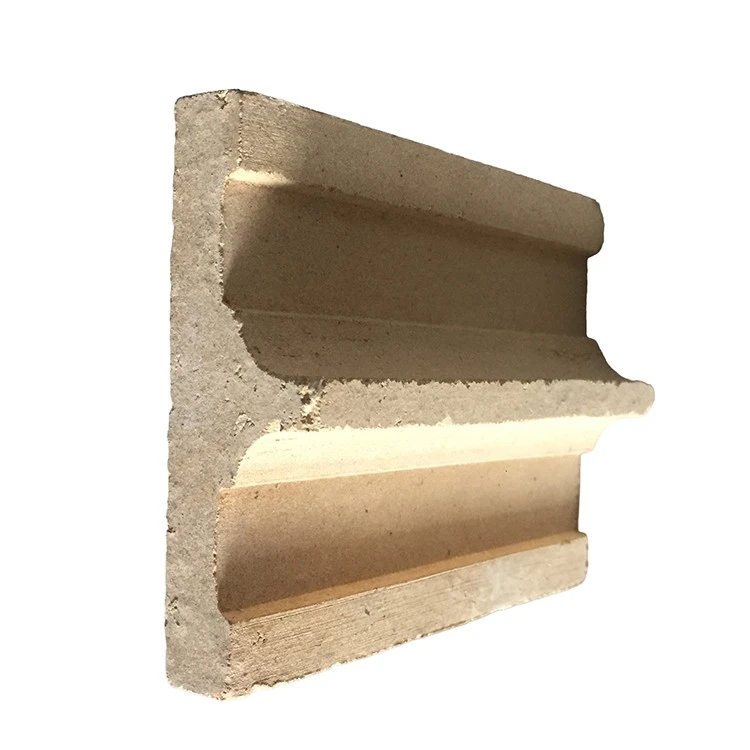
- High Alumina Brick: These bricks can be used to line the exterior of the furnace to reduce vibration and improve insulation.
Conclusion
Protecting your pit furnace heating element from vibration is essential for ensuring its long-term performance and reliability. By understanding the impact of vibration, identifying the sources of vibration, implementing vibration isolation measures, choosing the right heating element material, and ensuring proper installation and maintenance, you can significantly reduce the risk of vibration-induced damage to your heating element.
If you're in the market for a Pit Furnace Heating Element or any of the furnace accessories mentioned in this blog, I'd love to hear from you. We offer a wide range of high-quality heating elements and accessories that are designed to meet the needs of your pit furnace. Contact us today to discuss your requirements and to get a quote.
References
- Smith, J. (2020). "Vibration Analysis and Control in Industrial Furnaces." Industrial Furnace Journal, 35(2), 45-52.
- Johnson, A. (2019). "The Impact of Vibration on Heating Element Performance." Heating and Ventilation Magazine, 22(3), 67-74.
- Brown, C. (2018). "Vibration Isolation Techniques for Pit Furnaces." Furnace Technology Review, 18(4), 32-39.