

What are the differences between induction - type and resistance - type pit furnace heating elements?
Sep 24, 2026
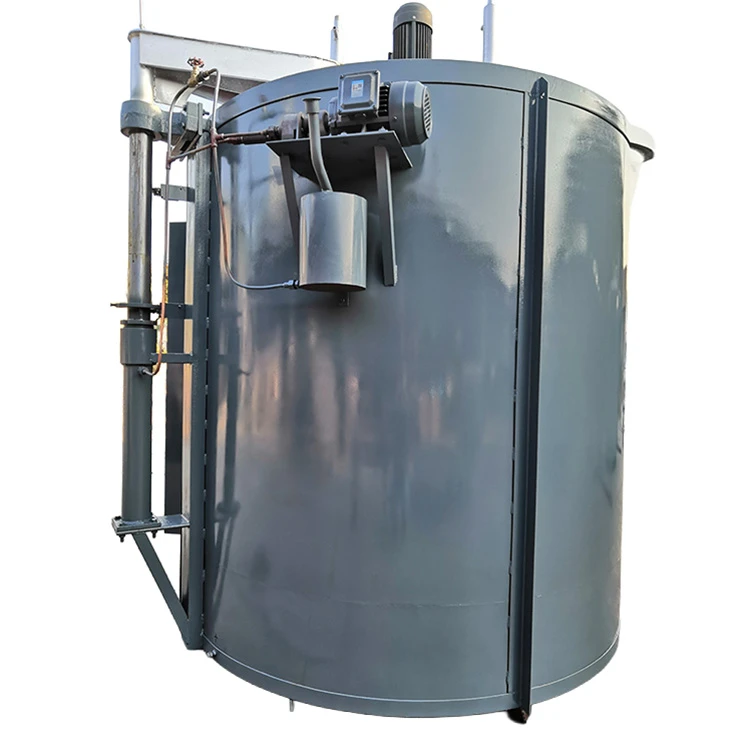
As a supplier of Pit Furnace Heating Elements, I've had my fair share of conversations about the different types of heating elements out there. Two big players in this field are induction - type and resistance - type pit furnace heating elements. Let's dive right in and explore the differences between them.
Basic Principles of Operation
First off, the fundamental way these two types heat up is quite different. Resistance - type heating elements work on a pretty simple concept. When an electric current passes through a resistive material, it encounters resistance. This resistance causes the material to heat up, following Joule's law (P = I²R, where P is the power dissipated as heat, I is the current, and R is the resistance). It's like when you plug in a toaster, and the wires inside get hot because of the electrical resistance.
On the other hand, induction - type heating elements are a bit more high - tech. They use electromagnetic induction to generate heat. An alternating current is passed through a coil, creating a rapidly changing magnetic field. When a conductive material (the workpiece or a susceptor) is placed in this magnetic field, eddy currents are induced in it. These eddy currents flow through the material and encounter resistance, which in turn generates heat. It's similar to how an induction cooktop heats up a pot.
Heating Efficiency
When it comes to heating efficiency, induction - type heating elements have a clear edge. They heat the material directly through the induced eddy currents, which means there's less energy wasted in transferring heat from an intermediate source. This direct heating method can lead to much faster heating times. For example, if you're heating a large metal part in a pit furnace, an induction - type element can get it up to the desired temperature in a fraction of the time compared to a resistance - type element.
Resistance - type heating elements, however, rely on radiant and convective heat transfer to warm up the workpiece. This process is slower because it takes time for the heat to travel from the heating element to the material. Also, some of the heat is lost to the surrounding environment during this transfer, reducing overall efficiency.
Temperature Control
Temperature control is crucial in many industrial processes, and both types of heating elements have their own ways of handling it. Resistance - type elements are known for their stable and predictable heating characteristics. They can provide a relatively uniform temperature across the furnace chamber, which makes them ideal for applications where precise and consistent temperature control is required, such as heat treatment of small parts. Controlling the temperature of resistance - type elements is usually done by adjusting the electrical current flowing through them.
Induction - type heating elements offer very rapid and localized heating, which can be both an advantage and a challenge when it comes to temperature control. They can quickly achieve high temperatures, but it can be more difficult to maintain a steady temperature over a large area. Advanced control systems are often needed to regulate the power and frequency of the alternating current to ensure accurate temperature control. However, once these systems are properly set up, induction heating can provide excellent control for complex heating profiles, like those required for specialized alloy treatments.
Construction and Materials
The construction and materials used in these two types of heating elements are also quite different. Resistance - type elements are typically made from high - resistance materials such as nichrome or molybdenum disilicide. These materials can withstand high temperatures without melting or degrading quickly. They are usually formed into coils or rods and installed in the furnace chamber.
Induction - type heating elements consist mainly of a copper coil, which is used to generate the magnetic field. The coil is often cooled with water to prevent overheating. Additionally, a susceptor material may be used in some cases to increase the heating efficiency or to protect the workpiece from the direct magnetic field. For example, if you're heating a non - conductive material, a conductive susceptor can be placed in the magnetic field to absorb the energy and transfer heat to the workpiece.
Applications
The choice between induction - type and resistance - type heating elements often depends on the specific application. Resistance - type elements are commonly used in applications where a large volume of material needs to be heated slowly and evenly, such as in annealing processes for steel bars or for pre - heating molds. They are also suitable for applications where the temperature requirements are relatively low to medium.
Induction - type heating elements are favored for applications that require rapid heating, such as forging, melting, and surface hardening. Their ability to provide local and precise heating makes them ideal for processes where only specific areas of a workpiece need to be treated, like in the case of gear hardening.
Cost Considerations
Cost is always a factor when choosing a heating element. Resistance - type heating elements are generally less expensive to purchase and install. The materials used in their construction are widely available, and the technology is relatively simple. However, the long - term operating costs can be higher due to their lower efficiency.
Induction - type heating elements have a higher upfront cost. The copper coils and the advanced control systems can be quite expensive. But because of their high efficiency and fast heating times, they can result in lower energy consumption and higher productivity in the long run, which can offset the initial investment.
Our Furnace Accessories
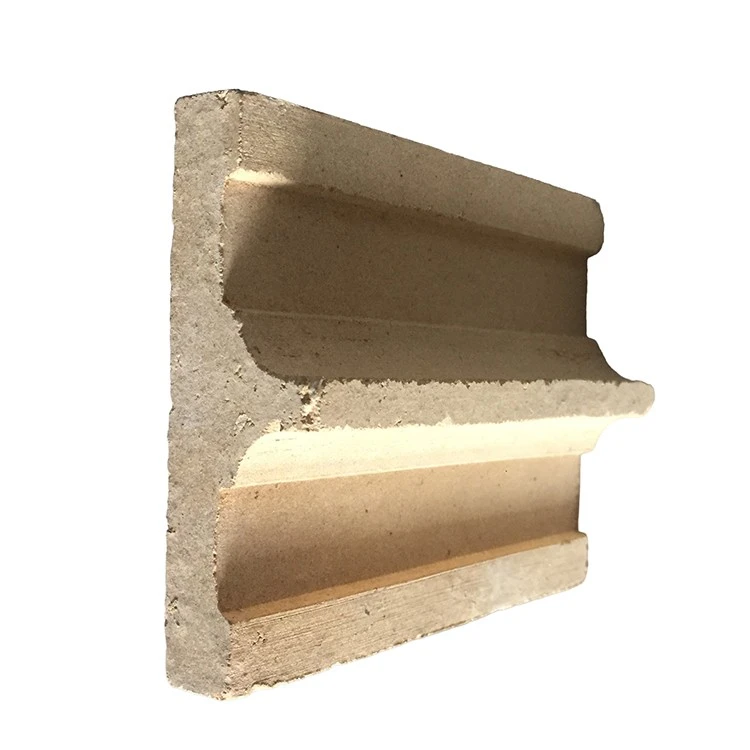
As a Pit Furnace Heating Element supplier, we also offer a range of high - quality furnace accessories. For example, our High Alumina Refractory Bricks are designed to withstand high temperatures and provide excellent insulation for your pit furnace. They can help reduce heat loss and improve the overall efficiency of your furnace.
Our Lightweight Fan - Shaped Brick is another great option for your furnace. It's lightweight but still offers good insulation properties, making it easy to install and maintain.
The High Alumina Brick is a reliable choice for lining your furnace. It has high thermal shock resistance and can provide long - lasting performance.
If you need to lift heavy workpieces in your furnace, our Long Shaft Lifting Hanger is a must - have. It's designed to be strong and durable, ensuring safe and efficient lifting operations.
And for those who use carburizing furnaces, our Carburizing Furnace Retort is an essential accessory. It provides a sealed environment for the carburizing process and helps ensure consistent results.
Let's Connect
If you're in the market for Pit Furnace Heating Elements or any of our furnace accessories, I'd love to talk to you. Whether you need more information about the differences between induction - type and resistance - type heating elements, or you're ready to make a purchase, don't hesitate to reach out. We're here to help you find the best solutions for your industrial heating needs.
References
- Kalpakjian, S., & Schmid, S. R. (2009). Manufacturing Engineering and Technology. Pearson Prentice Hall.
- Reistad, R. (1998). Industrial Heating Principles, Techniques, and Calculations. CRC Press.